
Vandaag of morgen in huis

Kwaliteit gegarandeerd

Welkomstaanbiedingen ontgrendelen: GRATIS bezorging | Tot 80% korting | Gratis 30 dagen JoyPlus-proefperiode
Download de app
Choosing a new cooker hood might seem straightforward: pick a colour, choose 60 or 90 cm and check how many settings it has. In practice, installation, extraction rate and noise level are what determine whether you can cook comfortably for years to come. A stylish model that doesn’t suit your kitchen can leave you with cooking smells, condensation and unnecessary costs.
A high figure in m³/h sounds appealing, but it doesn’t tell the whole story. Performance also depends on the length and diameter of the duct, the number of bends, the filters and the installation type you choose. A ducted cooker hood vents cooking fumes outside. A recirculating cooker hood draws air through a grease filter and usually a carbon filter before returning the cleaned air to the kitchen.
So always check whether a carbon filter is included. For some models, this accessory is sold separately.
Noise levels are measured in decibels, or dB. A difference of a few decibels can be noticeable in an open-plan kitchen. When comparing models, look at the noise level on the regular settings as well as the maximum level. An intensive or boost setting is usually louder.
Also watch out for conflicting product specifications. If in doubt, check the manual and energy label before ordering.
A wall-mounted, built-in or angled cooker hood will require a different installation method. Measure the available width, depth and height, and check the distance from the hob. Gas hobs often require a different minimum clearance from electric or induction hobs. Always follow the manufacturer’s installation instructions.
A 60 cm cooker hood will often suit a standard hob. A 90 cm cooker hood can provide a wider capture area for a wide cooking zone, frequent wok cooking or a larger kitchen.
A compact model with a moderate extraction rate may be enough for a small kitchen or apartment. In an open-plan kitchen, cooking smells spread more quickly, so good positioning, a suitable width and sufficient extraction rate matter even more.
Compare models based on:
A powerful motor won’t automatically make up for a poorly installed duct. If you’re unsure, ask an installer to assess a fixed ducted system.
A quiet cooker hood is particularly useful in an open-plan kitchen or when you want to chat while cooking. Product pages usually list minimum and maximum noise levels. Compare figures measured using the same method, and check which setting each figure refers to.
A model with a lower noise level on its regular setting may be more pleasant for everyday use than one with a higher maximum extraction rate that you rarely need.
The energy rating helps you compare energy use, but also check the stated annual energy consumption. An energy-efficient cooker hood with LED lighting can help keep electricity use down, while good lighting makes the cooking surface easier to see.
Also check:
The recommendations below are based on the stated product specifications. Brand claims about comfort, quietness or efficiency are not presented here as independently verified performance.
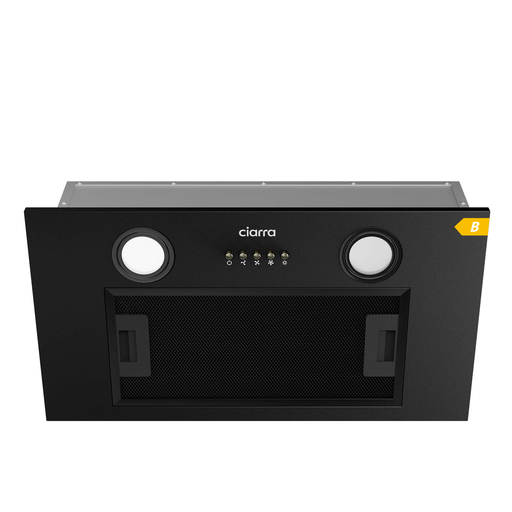
Why it suits this type of buyer: This compact built-in cooker hood is designed to fit inside a wall unit, making it a good choice for smaller kitchens or rented homes.
The specifications list both installation options. Note that the exhaust duct and CBCF005 carbon filters are listed separately.
52 cm wide, washable metal grease filter, three settings and a stated maximum extraction rate of 206 m³/h.
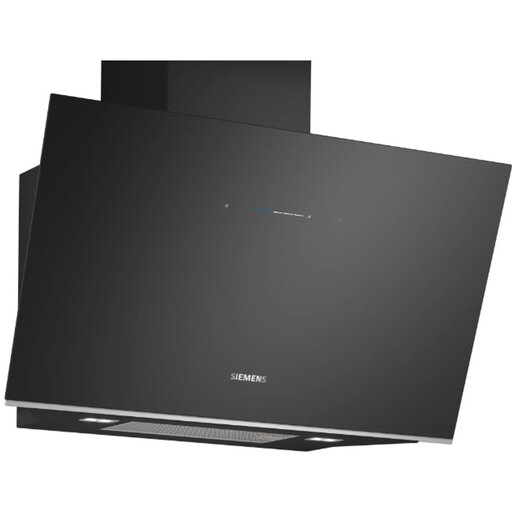
Why it suits this type of buyer: This 89 cm black wall-mounted model is a good fit for a modern, medium-sized or open-plan kitchen where design, controls and extraction rate all matter.
The product specifications list both ducted extraction and recirculation. The recirculation kit isn’t included, so check the total installation costs.
A+ energy rating, stated extraction rate of 1007 m³/h, LED lighting, touchscreen controls and dishwasher-safe filters.
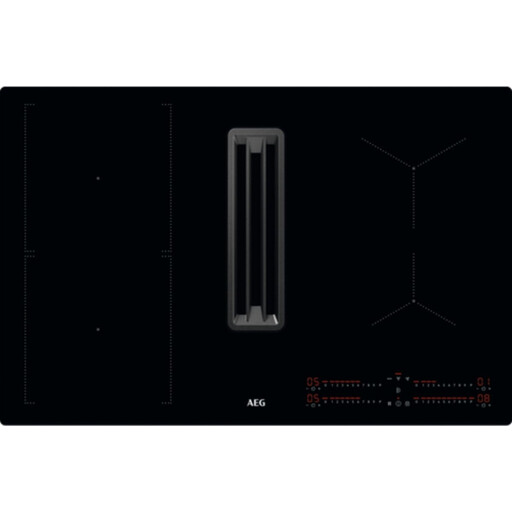
Why it suits this type of buyer: This induction hob with extractor combines cooking and ventilation in one built-in appliance, saving space above the hob.
The extractor is integrated, so you won’t need to fit a separate wall-mounted cooker hood. According to the product information, the electrical connection must be installed by a qualified electrician.
Four induction zones, bridge function, touch controls, timer, child lock, stated extraction rate of 630 m³/h and noise level of 48 dB.
We’ve put together a complete, up-to-date list of products that meet these strict selection criteria and the applicable European safety regulations.
When using recirculation, fit the correct carbon filter and replace it according to the manufacturer’s instructions. Grease filters need regular cleaning; if you cook frequently, you may need to clean them every two to four weeks. Switch off the appliance and disconnect the power supply before carrying out any maintenance.
For a fixed ducted system, it’s important to use a suitable duct diameter. Avoid unnecessary sharp bends, and check that the backdraught shutter, duct and installation height match the manual. Ask a qualified installer to check any complex connection or powerful hob.
Yes, if an external vent isn’t possible. The air is then passed through grease and carbon filters. Bear in mind the cost of carbon filters and how often they need replacing. A ducted cooker hood can vent cooking fumes straight outside, but it requires a suitable duct. If you live in rented accommodation, you may also need permission.
Its lifespan depends on the motor, filters, how often you use it and how well you maintain it. Clean the grease filters regularly, prevent grease from building up and follow the installation instructions. When buying, also check the warranty and the availability of replacement filters and parts.
Energy use varies depending on the energy rating, motor and how long you use the hood. As well as the energy rating, compare the annual energy consumption. Use a lower setting when it’s enough, and switch off the light and extractor after cooking if you don’t need a run-on function.
