
Vandaag of morgen in huis

Kwaliteit gegarandeerd

Welkomstaanbiedingen ontgrendelen: GRATIS bezorging | Tot 80% korting | Gratis 30 dagen JoyPlus-proefperiode
Download de app
A cooker hood needs to suit your hob, kitchen layout and ventilation setup. Yet many buyers focus mainly on how it looks or on a high extraction capacity figure. This can lead to choosing a model that’s too noisy, doesn’t connect properly to the ventilation duct or isn’t right for your needs when used in recirculation mode.
This buying guide helps households, flat-dwellers, tenants and anyone renovating a kitchen make a practical choice. You’ll find tips on wall-mounted cooker hoods, integrated cooker hoods, tabletop extraction and models with LED lighting, touchscreen controls or app control.
A figure such as 650 m³/h sounds appealing, but actual performance also depends on the installation. A long or narrow duct, several bends or an unsuitable diameter can restrict airflow. So check whether the cooker hood is suitable for your existing duct and whether the stated capacity applies to extraction to the outside, recirculation or both.
Noise levels are usually listed for each setting. A model may be quiet on its lowest setting but noticeably louder on intensive mode. Compare the dB(A) figures for everyday use. Also look out for vibrations caused by a loose fitting or metal duct.
A cooker hood with extraction to the outside vents cooking fumes through a duct. A recirculating cooker hood draws air through grease and carbon filters before returning it to the kitchen. Recirculation is useful in a rented home or flat without a suitable duct, but carbon filters need maintenance and must be replaced periodically, as stated in the product information.
A 60 cm cooker hood usually fits above a standard hob and is suitable for smaller kitchens. A 90 cm cooker hood offers more coverage above a wider hob or kitchen island. Measure not only the width of your hob, but also the available wall space, cupboard dimensions and height above the hob.
A black cooker hood with a glass front gives your kitchen a modern look, while a stainless steel model may be less prone to visible colour differences with everyday use. Also check the depth: a deep model can get in the way more easily in a compact kitchen.
Compare the capacity in m³/h at the settings you’ll actually use. Multiple speeds are handy: a low setting for gentle cooking and a higher or intensive setting for frying and wok cooking. A high maximum figure doesn’t automatically mean a model will perform better in every kitchen.
In an open-plan kitchen, a focused airflow is important. Also check whether the hood has a backdraft damper, a connection for an extraction hose and the required duct diameter.
Noise levels are measured in dB(A). Even a difference of a few decibels can be noticeable in an open-plan kitchen. You can identify an energy-efficient cooker hood by its stated energy rating and annual consumption in kWh. Also compare the power consumption of the LED lighting and the motor’s operating time.
A cooker hood with LED lighting is useful if your existing kitchen lights cast a shadow over the hob. Touch controls, a touchscreen or a Wi-Fi app can make things more convenient, but check whether physical controls are also available for when you’re cooking with wet or greasy hands. A sensor feature such as Hob2Hood only works with compatible appliances; according to AEG’s product description, it can automatically adjust extraction to match the hob.
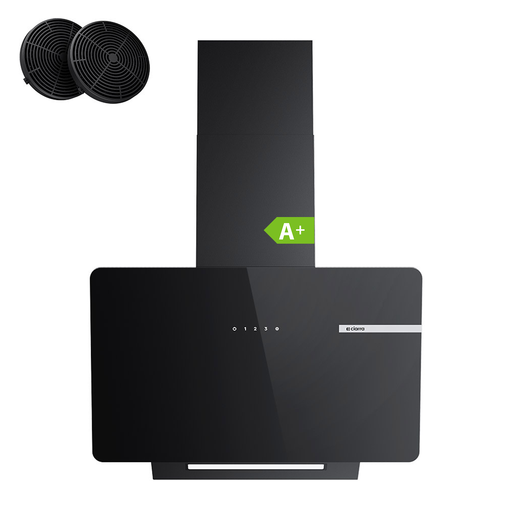
Why it suits this type of buyer: A 60 cm wall-mounted cooker hood with two ventilation options, suitable for a standard kitchen or compact open-plan kitchen.
The product description lists both extraction to the outside and recirculation. Just check that the supplied carbon filters are suitable for your needs.
According to the product specifications: maximum airflow of 580 m³/h, A+ energy rating, LED lighting and a washable aluminium grease filter.
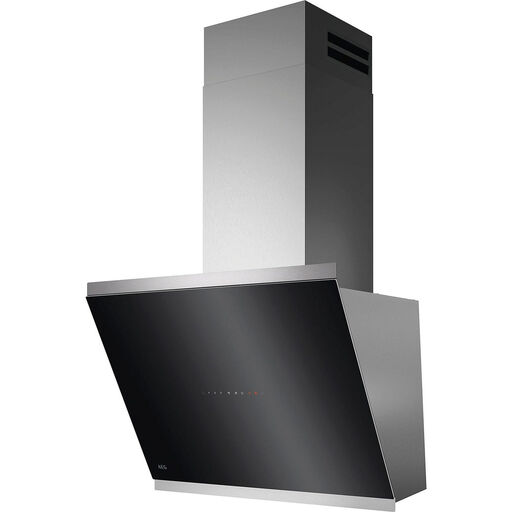
Why it suits this type of buyer: Designed for anyone who values automatic controls, multiple settings and a low noise level on the lowest setting.
The specifications list extraction and recirculation separately. This lets you choose the setup that works with an existing outlet or a kitchen without a duct.
According to the product specifications: A+ energy rating, five speeds, intensive setting, LED lighting, touch controls and 50 dB(A) on the lowest setting.
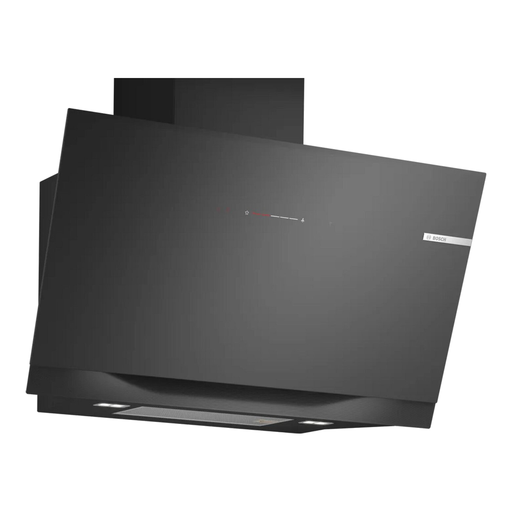
Why it suits this type of buyer: A 90 cm cooker hood for a wide hob, open-plan kitchen or regular cooking with several pans.
The product information lists separate figures for normal and intensive operation. Before buying, check which noise and capacity figures are relevant to your installation.
According to the product specifications: 90 cm wide, A+ energy rating, five speeds, LED lighting and an intensive capacity listed as up to 1007 m³/h on the product page.
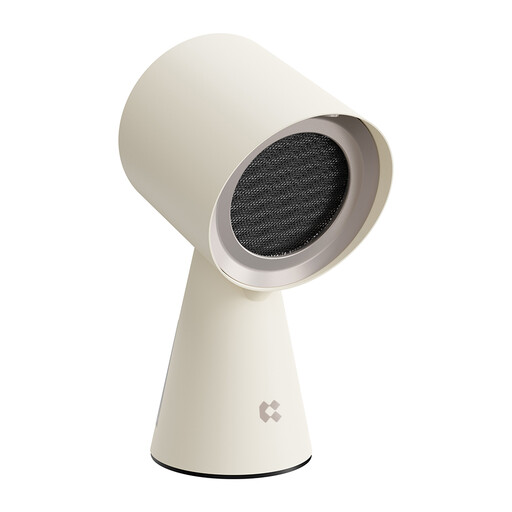
Why it suits this type of buyer: This tabletop extractor is designed for situations where you don’t want to alter a wall, cupboard or extraction duct.
No fixed installation or extraction to the outside is needed. Bear in mind, though, that maximum airflow is around 108 m³/h on the high setting.
According to the product specifications: two speeds, compact size, reusable filters and a stated noise level below 65 dB.
We’ve put together a complete, up-to-date list of products that meet these strict selection criteria and comply with current European safety regulations.
That depends on the size of your kitchen, how often you cook and the installation. Extra capacity is often useful in an open-plan kitchen, but duct resistance and correct fitting matter more than the maximum figure on the packaging alone.
Yes, especially if extraction to the outside isn’t possible. The air is then passed through grease and carbon filters. Remember to clean them regularly and replace the carbon filter when needed. You should also make sure there’s enough general ventilation.
Its lifespan depends on use, installation and maintenance. Regularly cleaning the grease filters, replacing carbon filters on time and using the controls carefully can help reduce wear. When buying, also check the warranty and the availability of replacement filters.
