
Vandaag of morgen in huis

Kwaliteit gegarandeerd

Welkomstaanbiedingen ontgrendelen: GRATIS bezorging | Tot 80% korting | Gratis 30 dagen JoyPlus-proefperiode
Download de app
Choosing a new cooker hood seems simple—until you look at the specifications. The market is saturated with models promising powerful performance and a sleek design. But behind the marketing often lie pitfalls that lead to purchase regret: a noisy motor, an extraction system that doesn't fit your kitchen, or an unexpectedly high energy bill.
Before you make a decision, it's crucial to recognise the most common mistakes. Many buyers fall into these traps:
This guide will help you avoid these mistakes by focusing on the specifications that truly matter.
To make the right choice, you need to understand three technical aspects. These determine whether a cooker hood is suitable for your kitchen and cooking habits.
The extraction rate, measured in cubic metres per hour (m?/h), indicates how much air the hood can move. A simple rule of thumb is to multiply your kitchen's volume (length x width x height) by 10. This gives you an estimate of the required capacity.
However, a higher capacity often means more noise. The noise level, measured in decibels (dB), is just as important. A quiet cooker hood produces less than 60 dB on its normal setting. Look for a model that offers a good balance: powerful enough for your kitchen, but quiet enough for comfort.
Your living situation determines which system you need.
The model must match your kitchen's layout. The most common types are:
Materials like a stainless steel cooker hood are durable and easy to clean, while a black cooker hood provides a modern, sleek look. Also, pay attention to the energy label; an energy-efficient cooker hood with an A++ or A+++ rating will save you money in the long run.
Based on these criteria, we have selected several models that suit different user profiles.
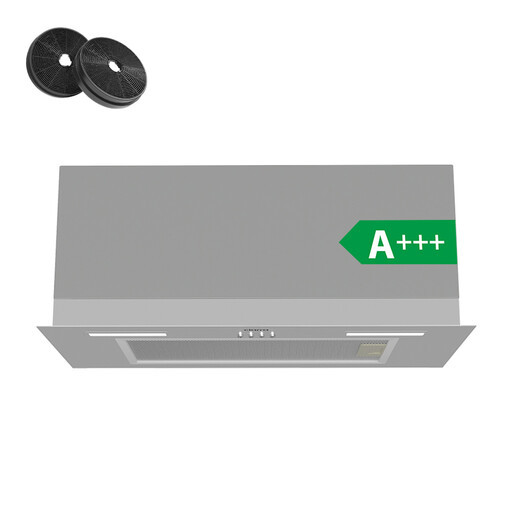
Why This Fits Their Persona: Perfect for those seeking an invisible solution that blends seamlessly into the kitchen cabinetry. This model maintains the clean lines of a modern kitchen without compromising on functionality.
This model bypasses the "design over function" trap by combining an A+++ energy rating with powerful 650 m?/h extraction. You get an invisible design *and* top performance.
Powerful extraction in a fully integrated, invisible design. Highly energy-efficient with an annual consumption of just 9 kWh.
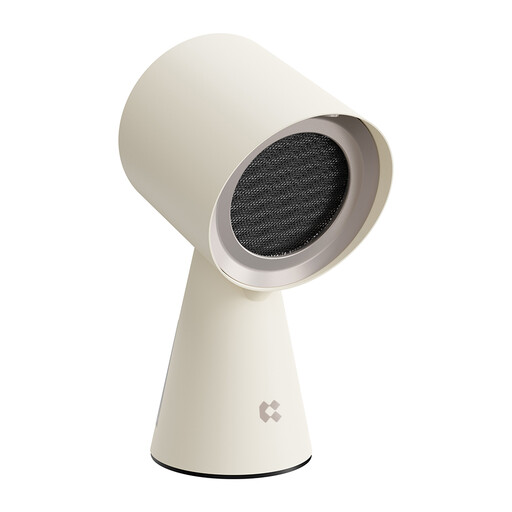
Why This Fits Their Persona: Ideal for rental kitchens, studios, or situations where a permanent installation is impossible. This compact tabletop model requires no assembly and can be placed wherever you cook.
This model completely solves the "one-size-fits-all" myth. It is a pure recirculation unit that requires no ducting or installation, making it the ultimate flexible solution.
No installation required; ready to use immediately as a countertop recirculation unit. Compact and portable for maximum flexibility.
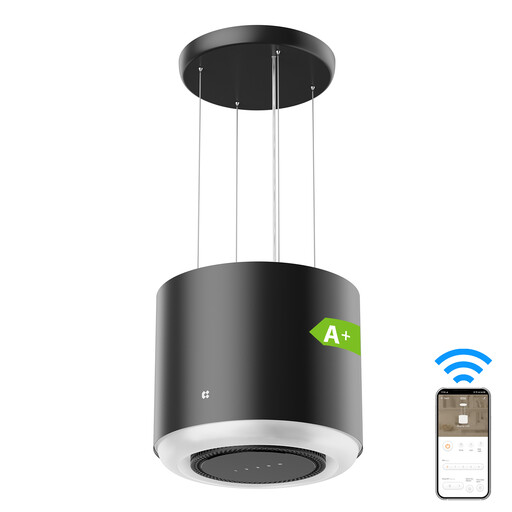
Why This Fits Their Persona: Functions as a design object above a kitchen island. Its floating, chandelier-like design in matte black creates a visual centrepiece, perfect for open-plan kitchens.
This model proves that design and function can coexist. It combines a unique aesthetic with powerful 550 m?/h recirculation and smart Wi-Fi control, so you don't have to compromise.
Unique floating design with Wi-Fi control via an app. Specifically designed for recirculation above a kitchen island.
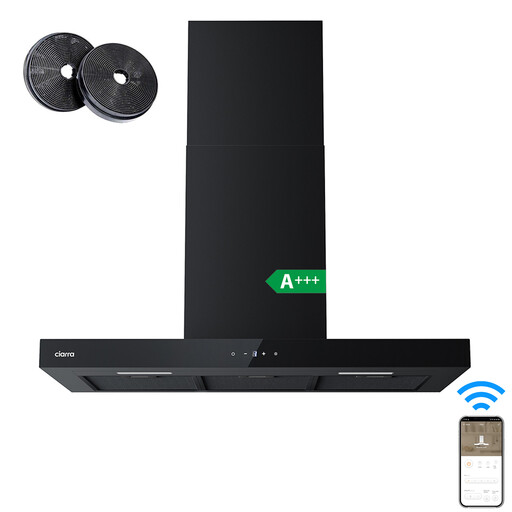
Why This Fits Their Persona: For those who have a wide hob (90 cm) and demand maximum performance. The high extraction rate and boost function are ideal for intensive cooking, such as stir-frying or grilling.
This model tackles the "powerful but deafening" trap. It delivers a massive 650 m?/h capacity with a relatively low noise level of 59 dB, combined with an A+++ energy rating.
Top-tier A+++ energy rating, 650 m?/h extraction with a boost function, and smart Wi-Fi control. Perfect for 90 cm cooking zones.
We have compiled a complete, up-to-date list of products that fully meet these strict selection criteria and safety regulations.
This depends on the filter type.
As a general rule, maintain a minimum distance of 65 cm above an electric or induction hob and 75 cm above a gas hob. This ensures optimal extraction and safety. However, always check the manufacturer's manual for the specific recommendations for your model.
Yes, in most cases. A model with a high energy rating, such as A++ or A+++, consumes significantly fewer kilowatt-hours (kWh) per year. While the initial purchase price may be slightly higher, you will earn back this difference over the appliance's lifespan through a lower energy bill. It's a smart investment for both your wallet and the environment.
