
People with a small kitchen
You’re looking for extra fridge space, but first you need to check that the fridge and its door will fit in the space available.


If your current fridge is set to 4 °C and has room for a sealed container, you generally won’t need an extra fridge for cooked beetroot. If you do need more fridge space, measure the available space first and choose between a narrower model, more fridge space without a freezer compartment, or a freezer compartment for portions you want to keep. The Netherlands Nutrition Centre advises keeping opened or home-cooked beetroot in the fridge for up to two days, or in the freezer for up to three months.
You’re looking for extra fridge space, but first you need to check that the fridge and its door will fit in the space available.
You cook portions in advance and need to choose between keeping them chilled or freezing them for later. The Netherlands Nutrition Centre recommends keeping opened cooked beetroot chilled for two days, or frozen for three months.
You want extra fridge space without unnecessary energy use, so you’re comparing suitable models by their stated kWh per year.
First check whether your current fridge has enough room and can be set to 4 °C. The Netherlands Nutrition Centre recommends chilling cooked beetroot at 4 °C; once the fridge is set up, check the temperature with a fridge thermometer.
| What to consider | What should you check? | Who is this important for? |
|---|---|---|
| Fridge temperature | Check whether the appliance can be set to 4 °C as a fridge, and measure the temperature once it is in place. | I want to keep cooked beetroot reliably chilled, even if the appliance is small. Around 33% of consumers say reliable cooling is their main concern when buying. |
| Suitable size | Measure the available width, depth and height. Also check the doorway and whether your sealed containers will fit inside. | I have limited space and want to make sure both the fridge and my food containers will fit. Around 33% of consumers prioritise suitable dimensions and a practical layout. |
| Freezing option | Compare the fridge and freezer capacities separately, and consider whether you already have a suitable freezer. | I want to keep portions of beetroot for later and need a freezer for that. Around 17% of consumers prioritise freezing food for later. |
| Energy use | Compare the stated energy use in kWh per year of models that fit your space and layout requirements. | I want extra fridge space but don’t want a second appliance running unnecessarily. Around 17% of consumers prioritise the energy use of additional fridge space. |
If your existing fridge is set to 4 °C and has room for a sealed container, it may already be suitable for cooked beetroot. A second cooling appliance also takes up space and uses electricity. Milieu Centraal points out that two fridges use more energy together than one larger appliance.
First check the temperature and available space in your current fridge.
An appliance may fit in its space, but your containers might not fit well inside. A freezer compartment also takes up space that would otherwise be available for refrigeration.
Measure the space and your containers, then compare the external dimensions, layout and fridge and freezer capacities of the exact model.
EU energy labels show both an energy class and the stated energy use. The class alone doesn’t tell you how many kWh per year a specific model uses.
Compare the stated annual energy use of models that otherwise meet your space and cooling needs. The European Commission uses a scale from A to G for these labels.
Table-top models to consider if you’re weighing up extra fridge space without a freezer compartment against a model with a small freezer compartment.
The Rd 1200 Pure is worth considering if a 50 cm-wide table-top model is a better fit for your available space.
The TSE1284N offers different dimensions for anyone considering a table-top model with freezer space.
The KKV956WIT is a table-top model with no freezer compartment listed, offering fridge space within a width of 56 cm.
The products below are compact fridges, including models with and without a freezer compartment. For each model, check whether it can be set to 4 °C once installed and whether there’s room for your sealed containers.
 No image available
An option if you want a freezer compartment as well as fridge space. Check whether this model can maintain the required 4 °C once installed.
95 l of fridge space and 14 l of freezer space; stated energy use of 89 kWh per year; energy class C.
Stated dimensions: 55 × 58 × 85 cm.
Check that your food containers will fit in the available fridge space.
 No image available
A compact option if you’re looking for a fridge with an adjustable temperature range. Check the temperature after installation with a thermometer.
Stated fridge temperature range: 0–10 °C; total capacity: 90 l.
Stated dimensions: 449 × 485 × 842 mm; three glass shelves and mechanical controls.
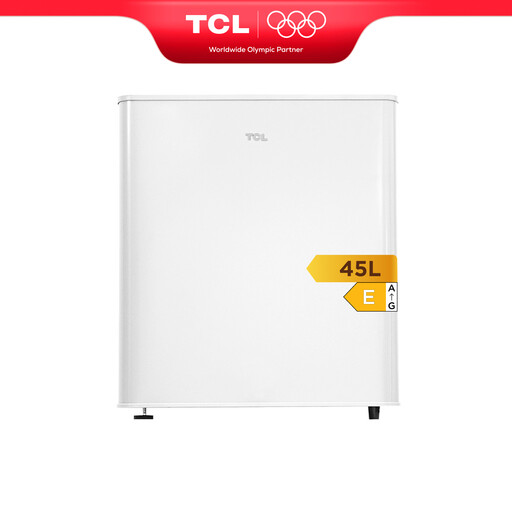 No image available
An option if you’re short on space and also want a small freezer compartment. Check whether the fridge can be set to 4 °C once installed.
42 l of fridge space and 3 l of freezer space; stated fridge temperature range: 0–10 °C.
Stated dimensions: 449 × 485 × 512 mm; one glass shelf and mechanical temperature control.
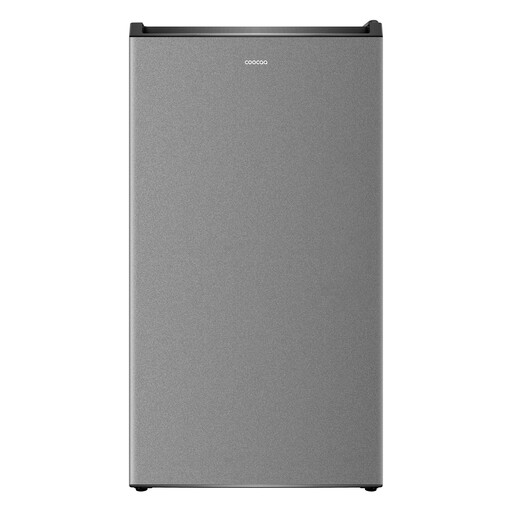 No image available
A model with no freezer compartment listed, worth considering if you want to use all the available space for refrigeration. Check whether the appliance can maintain 4 °C.
83 l of fridge space and energy class E.
Stated dimensions: 444 × 456 × 850 mm; adjustable shelves and a crisper drawer.
 No image available
A compact option if you’re looking for extra fridge space. The product information recommends a setting of 4 °C for storing food.
92 l of fridge space; recommended setting: 4 °C.
Stated width: 47,4 cm; seven temperature settings, adjustable glass shelves and a crisper drawer.
Cool leftovers quickly, seal them well and don’t leave them out of the fridge for more than two hours. The Netherlands Nutrition Centre advises keeping opened cooked beetroot in the fridge for up to two days, or in the freezer for up to three months. For an unopened pack, follow the label and use-by date.
Set the fridge to 4 °C and check the temperature with a fridge thermometer. The Netherlands Nutrition Centre recommends placing the thermometer in the middle of the bottom shelf and leaving it there for half a day or overnight. Adjust the fridge if the reading is higher.
For models that suit your space and needs, compare the stated energy use in kWh per year on the EU energy label. Your actual costs will also depend on your electricity tariff; the label class alone doesn’t show the total annual energy use.
Household fridges use the EU energy label, which runs from A to G. According to the Dutch government, under the Dutch old-for-new scheme, a retailer must take away a similar old appliance free of charge when you replace it, including when you buy online. If a product is faulty, contact the retailer first to resolve the issue.