
Host who wants to use several baking trays
You want to roast a larger quantity of carrots so they’re ready to serve at around the same time. You’re particularly interested in usable tray space and the option to cook on several levels.


When roasting carrots for a neighbourhood gathering, start by looking at the usable baking-tray space, not just the oven’s capacity in litres. Measure the trays and work out how many carrots you want to spread out at once. A built-in oven that explicitly lists a multi-level cooking function could be suitable if you have a compatible housing unit. If not, a freestanding model is an alternative, though you may need to cook in extra batches. Before buying, check the installation instructions and conformity information for the specific appliance. The Dutch government explains the general CE requirements, not how to check each individual appliance.
You want to roast a larger quantity of carrots so they’re ready to serve at around the same time. You’re particularly interested in usable tray space and the option to cook on several levels.
You don’t have a suitable space for a built-in oven and are looking for a freestanding convection oven. You’re prepared for the possibility of cooking the carrots in several batches.
You’ll keep using the oven after the neighbourhood gathering and want to weigh the capacity you need against energy consumption and maintenance for smaller meals.
| Consideration | What should you check? | Who is this important to? |
|---|---|---|
| Serving all the carrots at once | Estimate the quantity, measure the usable tray area and check whether the oven lists a multi-level cooking function. | If I want to serve a lot of carrots at around the same time, I look for room to spread them out and suitable shelf levels; around 36% of consumers make cooking everything at once their top priority. |
| Positioning the oven without a built-in housing unit | Compare the appliance’s dimensions with the available space and follow the positioning instructions for the model. | Without space for a built-in oven, I look for a freestanding appliance and allow for the possibility of extra batches; around 29% of consumers prioritise being able to position an oven without a built-in housing unit. |
| Trays and cooking schedule | Check which baking trays are included and whether suitable extra trays are available. Also see how to operate the timer and oven settings. | If I can cook in batches, I want to know which trays I need and how to plan the cooking; around 21% of consumers say manageable batches are their main priority. |
| Everyday use and cleaning | Compare energy consumption on the same measurement basis and check the cleaning method and maintenance instructions for the model. | For the smaller meals I’ll cook after the gathering, I weigh up the size against energy consumption and cleaning; around 14% of consumers prioritise everyday use and maintenance. |
The capacity in litres doesn’t tell you how many carrots you can spread out on a baking tray. Without the tray dimensions and the quantity you plan to cook, you can’t work out how many portions you’ll get per batch.
First decide how many carrots you want to cook, then check the usable tray area and which trays are included.
Too little tray space could mean you need to cook extra batches or buy suitable baking trays.
An oven with several levels isn’t automatically proven to roast full trays of carrots evenly on all of them at once.
Check the oven function, the manual and whether the trays fit. Also consider the steps in the recipe: when cooking on several trays, you may need to swap their positions and toss the vegetables.
You may also use the oven for smaller meals. Milieu Centraal recommends choosing a size that suits how you’ll use it and comparing energy consumption per cooking session or per year on a like-for-like basis.
Weigh up the space you need for the gathering against your usual use, and compare the energy consumption of models that suit your space and capacity requirements.
The HBA534BB3 reviewed is a built-in oven. Bosch lists a 71-litre capacity and 3D Hotair for up to three shelf levels for this model.
The OV457B reviewed is a freestanding convection oven with a net capacity of 45 litres, according to Inventum.
The OM670MZ reviewed is a built-in oven. ETNA lists a 72-litre capacity, five shelf positions and 13 oven functions.
The HB572ABS3 reviewed is a built-in oven. Siemens lists a 71-litre capacity and 3D hotAir for up to three shelf levels.
According to AEG, the BS7700T reviewed is a 72-litre multifunction convection oven with steam support.
These products are freestanding ovens or countertop models. For each one, check that the oven setting, baking-tray space and positioning instructions suit the quantity of carrots and your kitchen.
 No image available
Could suit you if you’re looking for a countertop model with separate cooking zones; check that the oven cavity is large enough for your portion of carrots.
The product title lists 23L, an LED touchscreen and 15 programmes; the oven cavity is listed separately as 4.4 litres.
 No image available
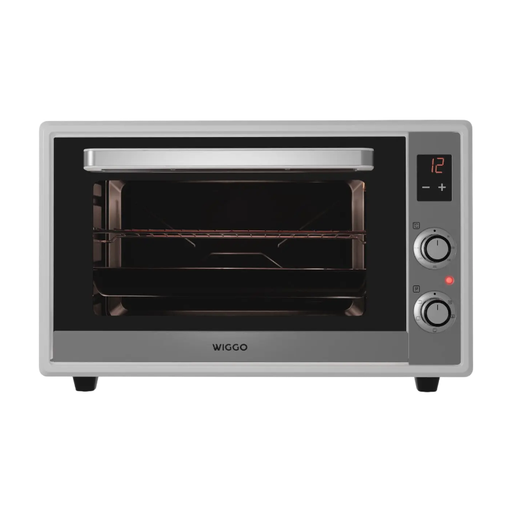
A freestanding countertop model to consider if you don’t have space for a built-in oven; compare the tray space with the quantity of carrots you want to cook.
35L capacity and a four-level baking rack.
 No image available
A freestanding oven to compare if you don’t have space for a built-in model; check that the convection setting you want and the included trays suit your plans.
65L capacity and 2000W.
 No image available
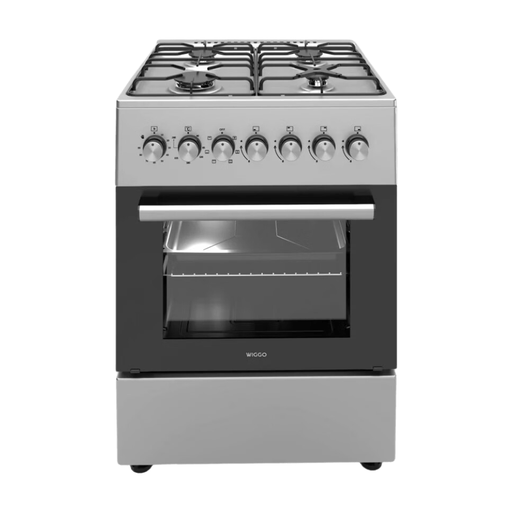
Only a suitable option if you specifically want a freestanding gas oven; before choosing, check that it has the oven setting you need to roast carrots.
Gas oven, freestanding, 60cm.
 No image available
A freestanding oven to compare if you don’t have space for a built-in model; check that the convection setting you want and the included trays suit the way you plan to cook.
65L capacity and 2000W.
It depends on the recipe and the oven. A recipe for roasted vegetables on several baking trays may tell you to swap the trays around halfway through and toss the vegetables. A multi-level cooking function doesn’t automatically replace these instructions.
Not without checking which oven setting the recipe specifies. Follow the instructions in your chosen recipe and your oven’s manual; the quantity and how the carrots are cut can affect the cooking time.
For a built-in oven, compare the required housing unit dimensions with the installation instructions for the exact model; the external dimensions alone don’t always tell you how much space the housing unit needs. For a freestanding appliance, follow the positioning and electrical instructions in the manual.
According to Ondernemersplein, electrical appliances placed on the market in the Netherlands must meet the applicable European requirements. After carrying out a conformity assessment, the manufacturer affixes the CE marking and draws up an EU declaration of conformity. This general requirement does not, by itself, confirm that a specific appliance on offer is compliant.
Voedingscentrum recommends cooling leftover cooked vegetables quickly, storing them in a sealed container and not leaving them out of the fridge for more than two hours. Bewaarwijzer advises keeping cooked vegetables in the fridge for two days; also check the storage advice for any other ingredients in the dish.