
Players with several puzzle games
If you play several story-driven puzzle games, check whether each title supports controller input and, where relevant, your type of controller. Valve lists support for each game.


First, check whether each game and device supports controller input. A controller isn’t automatically more convenient than a mouse, particularly for pointing or entering text. Choose a wired controller if you don’t mind a cable at your desk, or go wireless if you’d like more freedom to move around. Extra features such as trackpads or haptic feedback are most relevant if you want to configure them and your game supports them.
If you play several story-driven puzzle games, check whether each title supports controller input and, where relevant, your type of controller. Valve lists support for each game.
If you want to play further from your desk after work, weigh up the freedom of movement offered by wireless play against the power requirements. Microsoft notes that battery life depends on how you use the controller.
If you play close to your PC and a cable suits your setup, a wired connection may appeal if you don’t want to manage batteries. Logitech describes USB as the connection for the F310.
First, check that your games support a controller. Then choose a connection type and extra features to suit your desk and the way you like to play.
| What to consider | What to look for | Who is this important for? |
|---|---|---|
| Game and device support | Check support for each game, then check the platform and input mode supported by the controller. | If I want to avoid my puzzle game not working as expected, I first check support for that title; around 36% of consumers prioritise game and device compatibility. |
| Playing position and connection | Check the PC connection required, the ports available and whether the cable can be routed comfortably around your desk. | If I want to be able to sit a little further from my PC at my desk, I weigh up the freedom of movement offered by wireless play against the connections available; around 29% of consumers prioritise playing position and connection. |
| Ease of use and running costs | Check what power source is needed and whether batteries, charging or a cable suit your preferences. | If I want to spend as little time as possible managing batteries, I check the power source and what connecting the controller involves in my setup; around 21% of consumers prioritise ease of use and ongoing costs. |
| Extra controls and feedback | Check whether your game supports the feature you want and whether it has any specific connection requirements. | If I want to use trackpads, customisable controls or haptic feedback, I check whether my games support these features; around 14% of consumers prioritise specialist controls. |
Controller support can vary between titles and sometimes between controller types. So a controller that works with one puzzle game won’t necessarily suit your entire library.
Check the listings for the games you play most and see what support and controls they specify.
For the 8BitDo Ultimate 2C Wireless, 8BitDo lists Bluetooth for Android, and a 2.4GHz receiver or cable for Windows.
Check the connection method for the exact model and device. Make sure you have a free USB port if you need a receiver.
Sony says that haptic feedback on PC requires game support and a USB connection.
Give more weight to features you know you can use than to feedback support you haven’t checked yet.
ACM ConsuWijzer makes clear that statutory rights exist alongside a retailer’s or manufacturer’s warranty.
First check your statutory rights with the retailer, then consider any additional commercial warranty separately.
A wireless Xbox controller is an option if you use a Windows PC or Xbox.
DualSense may suit you if you play on PS5 as well as PC.
The F310 offers a wired option for PC.
The Steam Controller is designed for players who want to customise their Steam controls.
The Ultimate 2C Wireless is an option if you want to play wirelessly on a compatible Windows PC using a USB receiver.
The X05 is a multi-platform option if you want to compare connection modes.
This Joybuy selection focuses on controllers for PC puzzle games. It includes wired and wireless options, as well as models whose product names also mention PS5.
 No image available
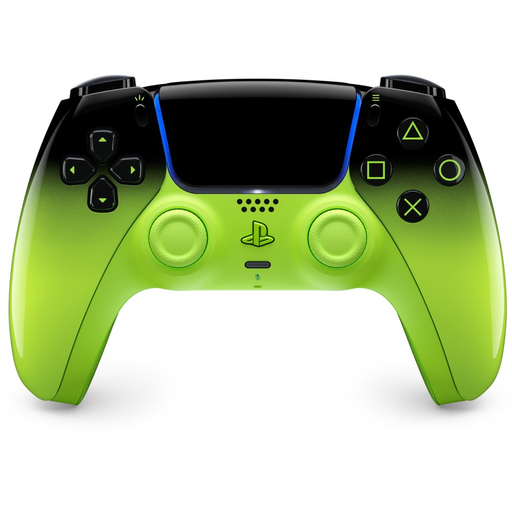
The product name mentions PC and PS5 use; check whether your puzzle games support this controller.
According to Sony, haptic feedback on PC requires both game support and a USB connection.
 No image available
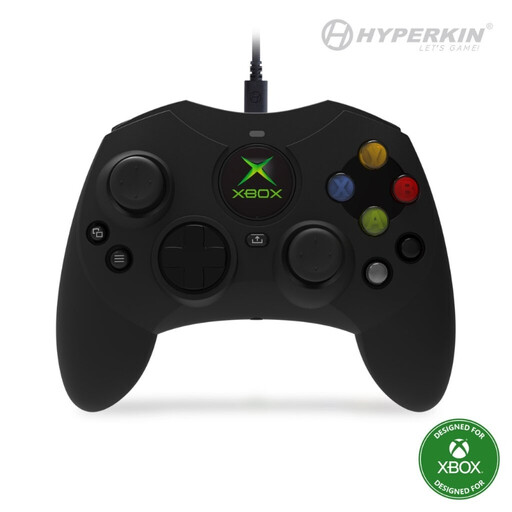
A wired controller may suit you if you play close to your PC and don’t mind having a cable at your desk.
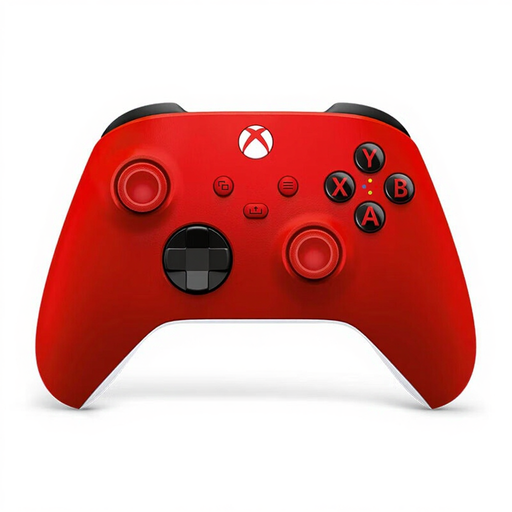
The product name mentions Xbox Series X|S, Xbox One and Windows 10|11. Check that your games support it.
 No image available
The product name mentions PC use. Check the connection and support for the games you want to play.
Microsoft says that battery life depends on how you use the controller when playing wirelessly.
 No image available
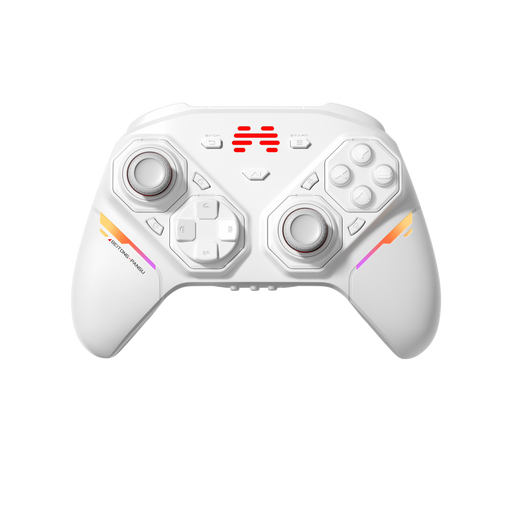
The product name mentions PC use and interchangeable joysticks, buttons and D-pads. Choose this model only if you want to make use of that customisation.
The product name also mentions vibration modules and use with Nintendo Switch, Switch 2, Steam and Android.
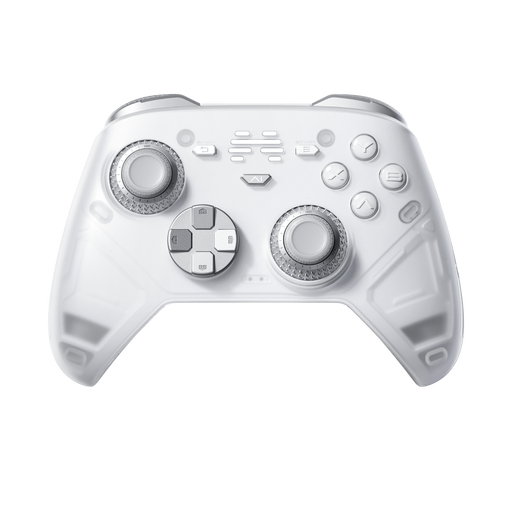 No image available
The product name mentions PC use and programmable buttons. Check that you want to use those settings and that your games support them.
The product name mentions haptic triggers, adjustable joystick resistance and six programmable buttons.
No. Check the listing for each game and, where possible, the specific controller type. The Steam page for The Talos Principle 2 lists full support for Xbox and PlayStation controllers; that doesn’t automatically tell you anything about another title.
Sony lists USB-C and Bluetooth as connection methods. According to Sony, haptic feedback on PC requires the game to support it and a USB connection.
First check the USB connection and the input mode used by the game. Logitech describes XInput for games that support this mode; you may need to switch modes for DirectInput games. Some games support neither mode.
No, you don’t need an additional commercial warranty to have statutory rights. ACM ConsuWijzer explains that the retailer is responsible if a product doesn’t meet what you could reasonably expect when used normally; any additional commercial warranty is separate.
For a standard online consumer purchase, ACM ConsuWijzer says you will generally have a statutory cooling-off period of up to 14 days after delivery, subject to legal exceptions. Check the applicable terms; don’t assume the same cooling-off period applies to a purchase in a physical shop.