
Vandaag of morgen in huis

Kwaliteit gegarandeerd

Welkomstaanbiedingen ontgrendelen: GRATIS bezorging | Tot 80% korting | Gratis 30 dagen JoyPlus-proefperiode
Download de app
Tired of that old cabinet, that dull windowsill, or those standard kitchen doors? A full renovation is often expensive, time-consuming, and not always an option—especially in a rental property. Fortunately, there's a practical and affordable solution to quickly give any space a fresh new look: contact paper.
As a Joybuy Product Recommendation Officer, I see many interior design trends come and go. My job is to help you make an informed choice, without the marketing jargon. In this article, I'll give you practical tips for choosing the right film and share some of this year's most popular options.
Before you add a roll of self-adhesive wallpaper to your cart, it's wise to consider a few things. The right choice depends on the look you want to achieve and where you plan to use the film.
Not every film is suitable for every surface. For example, if you're updating your kitchen, you'll need a kitchen-grade film that is moisture-resistant and easy to clean. For refinishing a dresser or cabinet, furniture film is an excellent choice. It's often designed to mimic the look of wood or other materials and is durable enough for daily use. Most varieties are made of PVC, a material known for its durability and removable properties.
The appearance of the film defines the atmosphere of the room. Two popular styles are:
For a smooth, professional finish, preparation is crucial. Ensure the surface where you'll apply the decorative film is completely smooth, clean, and dry. Dust, grease, and imperfections can prevent the film from adhering properly or cause air bubbles. Most contact papers have a grid on the backing paper, which helps with cutting straight lines. Work slowly, peel off the backing bit by bit, and smooth the film with a squeegee or a soft cloth.
Based on specifications and popular styles, we've highlighted a few options for you.


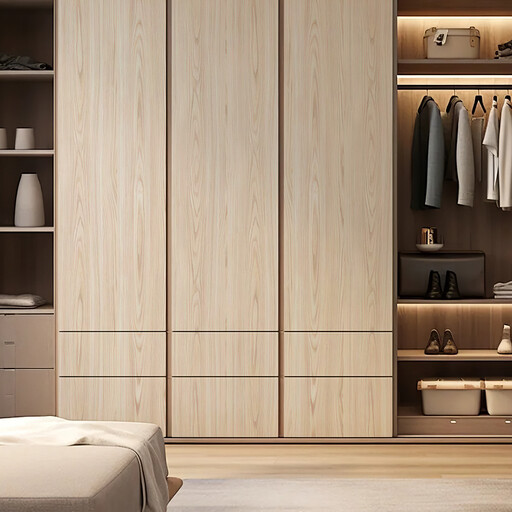
Don't see the perfect look for your project here? A wide range of designs is available, from solid colours to graphic patterns. For more inspiration and a broader selection, feel free to browse our country home decor category.
Explore More Home Decor Options Here
Contact paper adheres best to smooth, non-porous, and clean surfaces. Think of lacquered furniture, doors, plastic, glass, and smoothly plastered walls. On rough, textured, or untreated surfaces (like raw wood or a grainy wall), adhesion may be weaker, and the result is often not as smooth.
Most modern contact papers are designed to be removable. To make the process easier, you can gently heat the film with a hairdryer. The heat softens the adhesive, allowing you to peel the film off carefully. Any remaining glue residue can usually be removed with a bit of adhesive remover or a cloth with warm, soapy water. Always test this on an inconspicuous area first.
Contact paper is generally not intended for direct contact with high temperatures. Although some kitchen-grade films have a degree of heat resistance, it is not recommended to apply it directly behind a stovetop or to place hot pans on it. For use on a countertop, it is wise to always use trivets. Consult the manufacturer's specifications for precise usage instructions.
