
Vandaag of morgen in huis

Kwaliteit gegarandeerd

Welkomstaanbiedingen ontgrendelen: GRATIS bezorging | Tot 80% korting | Gratis 30 dagen JoyPlus-proefperiode
Download de app
Choosing construction toys for children might seem straightforward: pick a theme, check the price and add the product to your basket. But there are clear differences in age suitability, play time, materials, size and use. A set with lots of pieces isn’t automatically right for a young child, and a product labelled educational won’t always suit the way a child likes to play.
A box with hundreds or thousands of pieces can look appealing, but young children may struggle with lengthy building instructions. So don’t just look at the number of bricks. Check the recommended age, the level of difficulty and whether the model is still suitable for free play once it’s built.
For example, the LEGO Ninjago 71847 The Guardian Dragon contains 1,650 pieces and is designed for fans aged 14 and over. This makes it more appealing to older builders and collectors than to a young child.
Magnetic building blocks, construction toys and other creative sets are often marketed as educational toys. Product descriptions may refer to fine motor skills, spatial awareness or concentration, but these benefits aren’t guaranteed for every child. Some sellers say their sets are designed to support particular skills; the play experience depends on a child’s age, interests and the guidance they receive.
Pay particular attention to how a set is used: building freely, following an example or recreating a specific model. Some children enjoy an open-ended design, while others prefer clear step-by-step instructions.
Building sets often contain small parts, so always check the safety warning and age recommendation. Products containing magnets need extra care. If a magnet comes loose and is swallowed, it can pose a serious danger. Stop using the toy immediately if any magnets come loose or parts become damaged.
Blind box figures often contain small parts too, and sellers’ product information may state that they’re intended for older children or collectors.
Use the age recommendation as a starting point, not your only guide. A building set for ages 4 and up will usually contain larger, easier-to-connect pieces or so-called starter bricks. Sets for ages 8, 9, 10 or 14 and up often involve more steps, smaller pieces and delicate features.
Magnetic building blocks or simple construction sets may appeal to children aged 3 and over, but check:
Many construction toys are made from ABS plastic. Look out for smooth edges, secure connections and information about loose parts. Care is also important for models used as decorations. A soft, dry cloth helps prevent dust from building up. Don’t use harsh cleaning products on plastic or fabric parts.
For LEGO display models, size matters too. A large model needs enough space on a shelf, desk or bedside table. So check the dimensions before you order.
A 3-in-1 set offers more variety than a model that can only be built one way. For example, the LEGO Creator 31389 Iconic Ferris Wheel can be rebuilt as three different fairground attractions. According to the product information, you can’t build all three models at the same time, but the same bricks can be used in several ways.
If you’re buying a gift, it’s also worth looking at the figures, accessories and themes. Characters encourage imaginative role play, while a display model may be better suited to older children, teenagers or adult collectors.
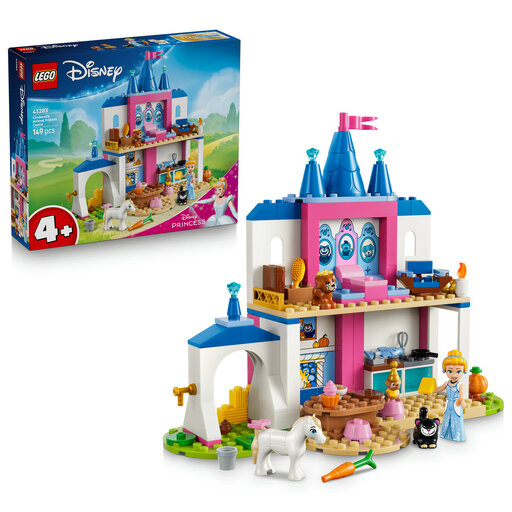
Why it suits this profile: This set is designed for children aged 4 and over, combining building with imaginative role play. The starter bricks and picture instructions make the first building steps easy to follow.
The recommended age and the number of pieces (149) are clearly stated. This makes the set easier to assess than a product with only vague marketing claims.
149 pieces, a two-level castle, and several figures and accessories for storytelling.
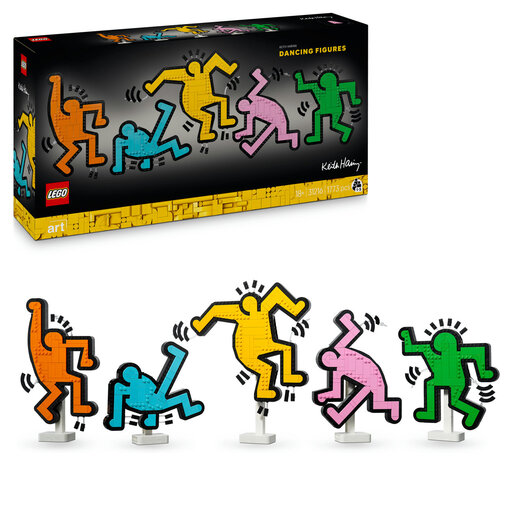
Why it suits this profile: This set is designed for fans aged 18 and over who want to combine building time with a decorative finished piece for the wall, desk or shelf.
The product information lists 1,773 pieces and two display options. This helps you work out in advance whether the building time and space required will suit you.
Five individual figures, 1,773 pieces, and the option to display it on a wall or a surface.
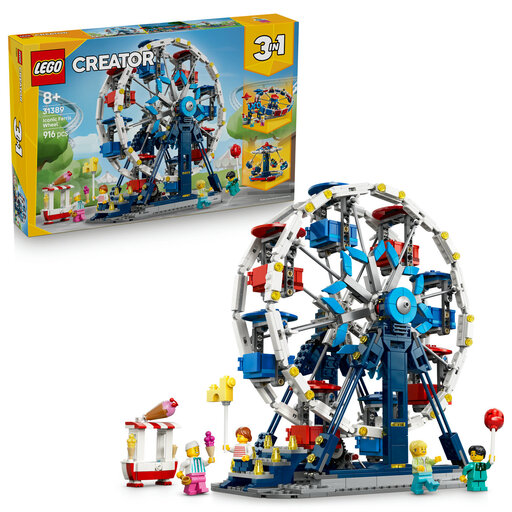
Why it suits this profile: Children aged 8 and over can use the same bricks to build three fairground models. The moving features make it a good fit for children who want more than just building and enjoy active play too.
You’re not limited to a single finished model. After building it, you can rebuild it as a UFO ride or carousel for more play.
916 pieces, three buildable models, spinning rides and four minifigures.
Magnetic building blocks are best for open-ended building and starting again quickly. For young children, choose a set with clear safety information and check regularly that the magnets are still secure.
LEGO building sets usually come with step-by-step instructions and familiar themes. They’re a good choice for children who enjoy making a specific model, as well as adults looking for LEGO display models or collector’s sets.
Blind box figures are a different kind of purchase. You can’t always choose which figure you’ll receive. In the POP MART Wacky Mart series, designs are selected at random, and a possible secret edition is offered as a chance item. So only buy this type of collectible toy figure if you’re happy with more than one design. Check the age recommendation and the returns policy for opened packaging too.
We’ve put together a complete, up-to-date list of products that meet these strict selection criteria and the applicable European safety requirements.
Choose a product with a clear age recommendation of 3 and over, sturdy parts and easy-to-understand safety information. Adult supervision is advisable when using magnetic toys, as loose magnets must not be swallowed. Check the set for damage before each use.
Their lifespan depends on the materials, connections, storage and how intensively they’re played with. Sets with several build options or loose pieces for free building often hold children’s interest for longer. Store small pieces in a lidded container, and keep display models out of direct sunlight.
Yes, as long as you choose based on age, interests and play style rather than gender. Themes such as animals, fairgrounds, fantasy, cafés and art can all work well as toys for boys and girls. The main thing is whether the recipient enjoys building, acting out stories or displaying collectible figures.
