
Anyone who wants a breeze at one seat
You want to direct the airflow towards your chair and adjust its strength. Compare a tilting desk fan with the space where you can position it securely.


If you mainly want a breeze at one chair, choose a fan that you can position securely and direct towards your seat. If you want air to move around several areas, it’s worth comparing a model with both horizontal and vertical oscillation, but air circulation won’t remove heat by itself. Milieu Centraal points out that shading and ventilating at a suitable time are separate measures; also compare the noise level on the setting you actually plan to use.
You want to direct the airflow towards your chair and adjust its strength. Compare a tilting desk fan with the space where you can position it securely.
You want air movement without distracting noise. Compare noise and airflow on a setting you’d actually use, rather than looking only at the lowest noise rating.
You don’t just want to feel the air by your chair. Check the directions in which a fan oscillates; that’s different from removing heat from the conservatory.
Choose this when: you mainly want adjustable airflow at one chair and have a stable place to position the fan.
Trade-off: tilting isn’t the same as automatic side-to-side oscillation; check that you can adjust the direction easily.
Choose this when: you want air to move around more areas of the conservatory, rather than directing a breeze at one chair all the time.
Trade-off: oscillation alone won’t remove warm air; claims about air distribution aren’t an independent performance assessment.
Choose this when: you want to adjust the position or height of the airflow to suit the space available.
Trade-off: check the space needed for the base and the model specification; a battery may not be included as standard.
| What to consider | What should you check? | Which consumers should pay particular attention? |
|---|---|---|
| Directional airflow | Check the tilt direction, speed controls and whether the fan fits securely in the space you have in mind. | If I mainly want to feel an adjustable breeze at my chair, I look at the direction and settings. Around 36% of consumers put directional airflow first. |
| Noise during use | Compare noise and airflow across several usable settings; the minimum figure won’t necessarily tell you what the setting you want to use will be like. | If I want to read or chat in peace, I look for useful airflow without distracting noise. Around 29% of consumers give low noise their top priority. |
| Air movement in several areas | Check which directions the fan oscillates in automatically and whether you can adjust this function separately. | If I also want air to move beyond the area directly around my chair, I look at the oscillation direction. Around 21% of consumers prioritise air distribution. |
| Positioning beside the chair | Measure the available space and check the base, stability, cable route and instructions for the exact model. | If space beside my chair is limited, the size and positioning need to work in practice. Around 14% of consumers say suitable positioning is their top priority. |
Moving air and removing heat are two different things. A fan is therefore not the same as a solution for cooling the conservatory itself.
First decide whether you want a breeze at your chair or want to limit the build-up of heat. Milieu Centraal recommends shading and ventilating when it’s cooler outside as separate measures.
The quietest setting won’t necessarily provide the airflow you find comfortable at your chair. A stated noise level also won’t automatically tell you what the fan sounds like on another setting.
Compare noise and airflow on the same settings that matter for your needs. Don’t treat manufacturers’ figures as directly comparable real-world tests.
The battery is described as optional for the Duux Whisper Flex² Smart. The Consumentenbond states that the Philips CX2050/00 doesn’t come with a remote control.
Before buying, check the version you’ve chosen and what’s included in the box.
A separate battery may be an additional purchase; check whether it’s included with the version you’re considering.
The CX2050/00 is a desk fan worth comparing if you’re looking for a tilting head and several settings for one seat.
The Vento 3D Silent Comfort is worth considering if you want air to move in different directions.
The Turbo Silence Extreme+ VU2740 is a desk model worth comparing if you’re looking for several settings and automatic side-to-side oscillation.
The Whisper Flex² Smart is worth considering if you want to switch between desk and floor positioning.
These Joybuy products range from compact fans for directional airflow to models designed to move air around a larger space. Always check that the positioning and stated usage environment are suitable for your conservatory.
 No image available
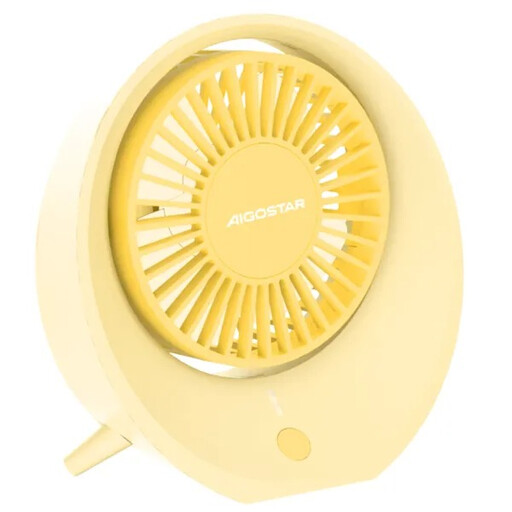
A clip-on fan worth considering if you want to direct airflow close to one seat.
4 inches; USB connection; 4 blades. According to the product information, keep the fan away from rain and moisture.
 No image available
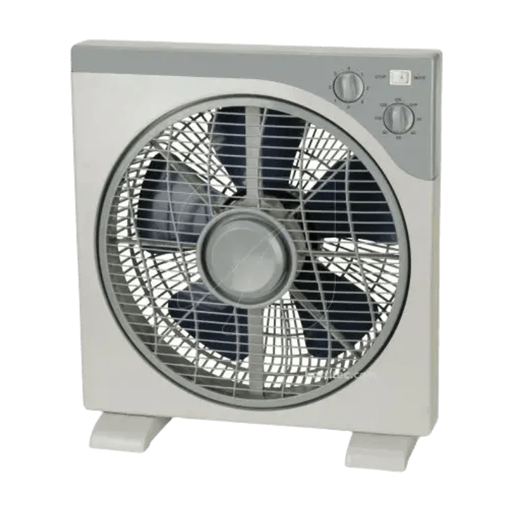
Only compare this box fan if its shape and positioning suit the area you want to ventilate.
30 cm. The product information states that it’s for indoor use and warns against using it in excessively damp environments or close to water.
 No image available
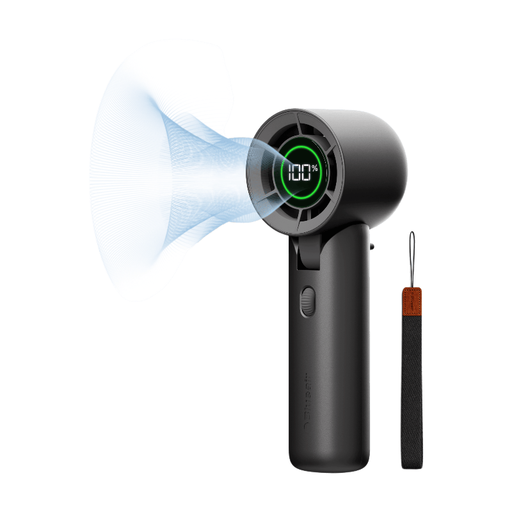
A portable handheld and desk model worth comparing if you want personal airflow and the flexibility to move the fan around.
USB-C rechargeable; the product name specifies a 32H battery. The product information warns against contact with liquids and excessive moisture.
 No image available
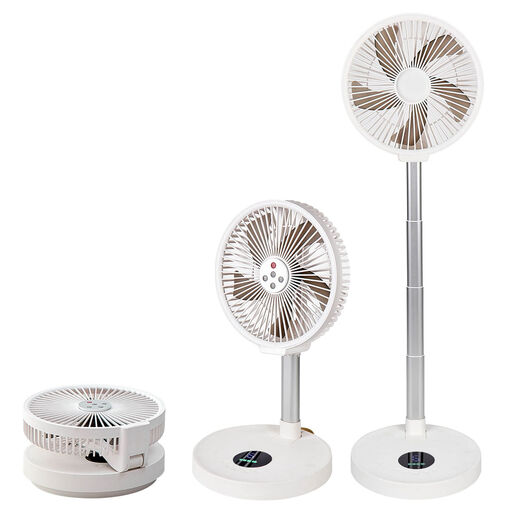
A foldable model worth comparing if you’re weighing up desk and floor positioning.
7200 mAh; 6 speeds; timer; remote control; height adjustable; white.
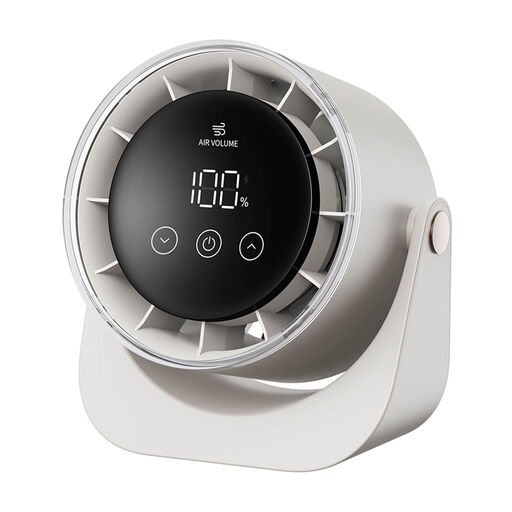 No image available
A compact desk fan worth considering if you want to direct and adjust airflow beside your chair.
Cordless; LED display; 100 fan settings; 90° tilt adjustment. The product name states that it can be placed on a surface or hung up.
No. A fan moves air and doesn’t provide the same whole-room cooling as an air conditioner. Milieu Centraal recommends shading and ventilating when it’s cooler outside as separate ways to limit heat build-up; a breeze at your chair can still meet your immediate needs.
Place the fan on a stable surface, keep the air openings clear and follow the instructions for the exact model when assembling and cleaning it. The Fire Service advises keeping electrical appliances free of dust and fully unwinding any cable reel in use.
No. Your statutory rights apply in addition to any manufacturer’s or seller’s guarantee. ACM ConsuWijzer states that a product must meet the standard you could reasonably expect when used normally; if something is wrong, contact the seller.
For a standard online purchase, ACM ConsuWijzer says you will usually have a statutory cooling-off period of up to 14 days after delivery; check whether an exception applies to your purchase. Your statutory rights if an item is faulty or inaccurately described are a separate matter.
The applicable CE marking is relevant for electrical appliances placed on the EU market. The Dutch government refers to this marking in connection with the applicable safety requirements; check the product information and marking on the item being offered.