Who is this choice relevant to?

Buyers aiming to reduce fat

You want to buy snacks for the conference break that demonstrably contain less total fat. Compare the nutritional values for the same quantity, and check the specific claim and what it is being compared with for the variant you choose.

Organisers planning lighter breaks

You’re looking for an unsalted nut snack and want to know in advance how much you’ll serve. Pack size and portion information can help you plan quantities.

Caterers responsible for allergen information

You’re serving snacks to a group and need to make information about any allergens available. The NVWA distinguishes between prepacked and non-prepacked foods; for nuts, specify which types are present.

What should you look for when buying?

What to consider What should you look for? Who is this important to?
Demonstrably less fat Compare the nutritional values for the same quantity and check the exact claim and the product used for comparison. If my first priority is less total fat, I want to know exactly what’s being compared. Around 31% of consumers prioritise a demonstrable reduction in fat.
Portion size Set a fixed serving size and compare products on the same basis, for example per 100 g. For a lighter conference break, I want to be able to plan the quantity per attendee. Around 25% of consumers give portion control top priority.
Allergen information Keep the information available alongside the food being served and name the specific types of nuts present. When serving a group, I want attendees to be able to find allergen information, even if the nuts are in bowls. Around 25% of consumers prioritise this aspect of organisation.
Packaging and leftover stock Match pack size to your serving plan and follow the storage instructions for the variant you choose. For catering planning, I want to be able to organise the quantity needed and any unused stock practically. Around 19% of consumers name purchasing and leftover stock as their top priority.

Common mistakes

  • Confusing no added oil with less total fat

    A preparation claim describes how a product is made, not how much total fat it contains. Nuts naturally contain fat.

    Assess the preparation method and nutritional values separately. If you’re choosing based on fat content, compare equal quantities.

  • Applying a claim for one variant to an entire brand

    SPAR stated that Duyvis Oven Roasted Borrelnootjes Sweet Paprika contains 30% less fat than ordinary peanuts in a crunchy coating. This claim applies to that specific variant and doesn’t prove anything about other Duyvis products.

    Check the full variant name and what it’s being compared with before taking a claim into account when making your purchasing decision.

  • Losing track of allergen information when decanting nuts

    If you transfer nuts from their packaging into bowls, information about any allergens present must remain available alongside the food being served. The NVWA says that the specific types of nuts must be listed.

    Before serving, record which types of nuts are present and how attendees can access the allergen information.

    Decanting nuts into bowls calls for accurate recipe records, clear information cards and instructions for serving staff.

Relevant brands to consider

Duyvis

Relevant for oven-roasted almonds and crunchy-coated savoury snacks.

  • Duyvis describes Almonds Original as oven-roasted without added oil or fat; the pack mentioned contains 125 g.
  • A preparation method without added fat doesn’t prove that the product has a lower total fat content. Claims for a specific variant don’t apply to the whole brand.

Albert Heijn

Relevant for AH Unsalted Cashews and as the retailer of the Duyvis variant examined.

  • The AH product page identifies an unsalted cashew variant.
  • Albert Heijn warns that ingredients, nutritional values and allergen information may change, so check the packaging of the product supplied.

Jumbo

Relevant for the 200 g Unroasted Mixed Nuts, with information about ingredients and portions.

  • Jumbo lists walnuts, hazelnuts, cashews and almonds in this mix, with eight portions per pack.
  • Unroasted and unsalted don’t indicate a lower fat content.

Lidl

Relevant within the specified supermarket selection through its Alesto range and Way To Go cashews.

  • Lidl’s range information mentions nuts and dried fruit, including Way To Go cashews.
  • Retailer information about a range or product positioning doesn’t, on its own, substantiate a claim that a product contains less fat.

ALDI

Relevant for the Trader Joe’s Unsalted Nut Mix described.

  • ALDI lists almonds, hazelnuts, walnuts and Brazil nuts in this mix.
  • This ingredient list applies to the named variant and doesn’t substantiate a claim that it contains less fat.

PLUS

Relevant as a supermarket with a separate category for unsalted nuts.

  • PLUS lists home delivery and collection as shopping options.
  • A category page doesn’t tell you whether a specific product is available at a particular location or how much fat it contains.

Nuts for conference catering at Joybuy

Use these product options to compare preparation methods, unsalted varieties and portion planning. If you’re choosing based on fat reduction, always check the nutritional values and the evidence supporting the specific product claim.

Duyvis Dry Roasted Cashews, 125 g

Duyvis Dry Roasted Cashews, 125 g

A good fit if you’re looking for dry-roasted cashews; this alone doesn’t prove that they contain less fat.

The product information lists 43 g of fat per 100 g and 4–5 portions per pack.

Joybuy

g'woon Unsalted Peanuts, 250 g

g'woon Unsalted Peanuts, 250 g

A good fit if you’re looking for unsalted peanuts, but not for a claim that they contain less fat.

The product description lists 99% peanuts and sunflower oil.

Joybuy

g'woon Cashew Nuts Roasted & Unsalted, 200 g

g'woon Cashew Nuts Roasted & Unsalted, 200 g

A good fit if you’re looking for roasted, unsalted cashews.

The pack contains 200 g; unsalted doesn’t mean the product contains less fat.

Joybuy
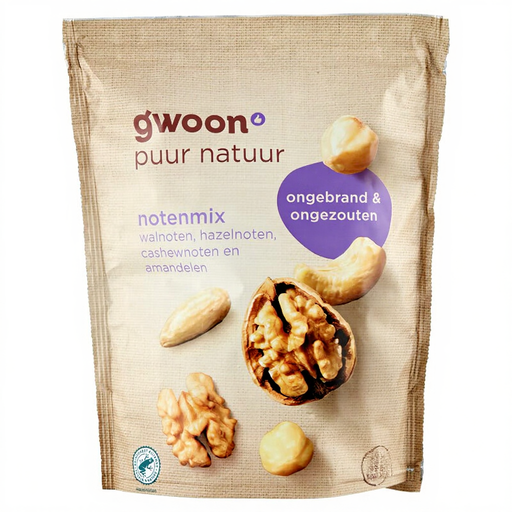
g'woon Unroasted Mixed Nuts, 500 g

g'woon Unroasted Mixed Nuts, 500 g

A good fit if you’re looking for an unroasted, unsalted nut mix.

The product description lists hazelnuts, walnuts, almonds and cashews; if serving them unpackaged, specify which types of nuts are present.

Joybuy
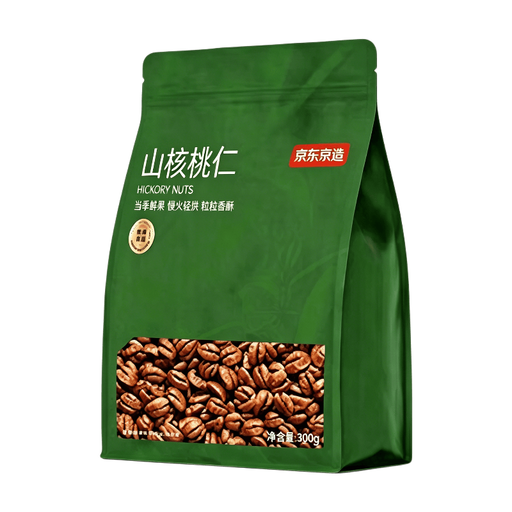
J.ZAO Lin’an Hickory Nuts, 300 g

J.ZAO Lin’an Hickory Nuts, 300 g

Individual portion packs can help you plan servings for a conference break.

The product information lists hickory nuts, sugar and salt; check the ingredients and allergen information on the packaging.

Joybuy

Frequently asked questions

Can you serve loose nuts at a conference without providing allergen information?

No. The NVWA says that allergen information must be available for food being served. For non-prepacked nuts, it must be clear which specific types are present.

What do you need to arrange if you transfer nuts from their packaging into bowls?

Make sure allergen information remains available alongside the food being served. The NVWA outlines options for providing information in writing or electronically, as well as the conditions for giving it verbally. Make it clear to attendees how they can access this information.

Can you keep opened cashews for your next event?

The Netherlands Nutrition Centre recommends storing opened unsalted cashews in a kitchen cupboard for six months or in the freezer for one year. This advice doesn’t automatically mean that leftovers that have already been served are safe to keep: take their storage history, packaging and any signs of spoilage into account.

What should you check if product information may have changed?

Before serving the product, check the packaging again for ingredients, nutritional values and allergen information. Albert Heijn warns that these details may change when a product is updated.

How do you compare nuts if you want to buy ones with less fat?

Compare the nutritional values for the same quantity and check which specific variant and comparison product an occasional claim refers to. A preparation description such as ‘no added oil’ doesn’t answer the same question as the total fat content.
