
Organiser with a central coffee table
You want to fill the biscuit tin for a planned break and top it up as needed. Compare the net weight with what you expect to serve, rather than judging by the number of packs alone.


If you’re serving biscuits from one central biscuit tin, a larger pack may be practical. For several tables or staggered breaks, individually wrapped portions may be worth considering. Match the quantity to expected demand and keep the allergen information for each variety to hand, especially when serving the biscuits unpackaged.
The right pack depends mainly on how you organise the coffee break and how you make the information for each biscuit available when serving.
You want to fill the biscuit tin for a planned break and top it up as needed. Compare the net weight with what you expect to serve, rather than judging by the number of packs alone.
You may take the biscuits out of their packaging for a buffet or display. The Netherlands Food and Consumer Product Safety Authority says that information about allergens present must be available wherever unpackaged food is offered. Keep this information clearly identifiable for each variety at the serving point.
You’re comparing biscuit types and pack formats for one or more breaks. Check the quantity, the number of individual packs, if applicable, and how many different ingredient and allergen lists you’ll need to manage at the serving point.
First decide where and when the biscuits will be served. A pack for one central break calls for a different top-up plan from biscuits for several rooms or coffee breaks.
Choose this: if you have a central coffee table and expect to use the opened pack during the planned breaks.
Bear in mind: biscuits may be left over after the break; a larger quantity won’t automatically make serving easier.
Choose this: if you’re serving in different places or want to open a fresh pack only for the next break.
Bear in mind: you’ll have more individual packs to hand out and dispose of. Also check how many biscuits each pack contains.
| What to consider | What to check before buying | Who should pay particular attention? |
|---|---|---|
| Allergen information | Check the label for each variety and decide how you’ll make the information available when serving the biscuits unpackaged. The Netherlands Food and Consumer Product Safety Authority distinguishes between the labelling of prepacked products and information for unpackaged food. | If I put biscuits on trays, I want to be able to say which allergens are present in each variety. For around 27% of consumers, managing this information is the top priority. |
| Serving and leftovers | Check the number and contents of any individual packs. Think about when you’ll open the packs and how many places you’ll be serving at once. | For breaks in different rooms, I want to top up each location without opening all the biscuits at once. Around 27% of consumers put serving arrangements first. |
| Quantity needed | Compare the net weight and match the number of packs to the number of attendees and breaks, as well as the amount you want to offer. | For a well-stocked coffee table, I want to have enough biscuits ready, but I don’t want to base my decision on the number of packs alone. This is the main concern for around 26% of consumers. |
| Range and flavour | Choose biscuit types that are clearly different from one another and keep the product information for each variety separate. | When I want to give guests a choice, I look for a well-organised selection that’s easy to identify when serving. This is a priority for around 20% of consumers. |
A 300 g pack contains a different quantity of biscuits from a 600 g pack. So the number of packs alone tells you little about how much you can offer during the breaks.
Note the net weight of each variety, then work out how many packs suit your serving plan.
The Netherlands Food and Consumer Product Safety Authority says that information about allergens present must be available wherever unpackaged biscuits are offered. If you’re using several trays, it must be clear which information relates to which biscuits.
Keep the current packaging and organise the allergen information for each variety before putting the trays out.
Albert Heijn notes that product information, including ingredients and allergens, can change. An image you looked at earlier may not reflect the information on the pack you receive.
Check the packaging of the batch you’ll actually be serving.
Every extra biscuit variety means more open packs and separate product information to keep track of during the break.
First choose the varieties you actually want to offer, then agree how you’ll keep them clearly identifiable at each serving point.
A wider selection also takes more time to replenish and to keep the information for each tray separate.
These brands offer examples of different biscuit types and pack formats. The brand name alone won’t tell you which variety suits your serving plan.
Speculoos biscuits to enjoy with coffee or tea. Jumbo lists, among other options, a Lotus Biscoff XL variety with two packs of ten.
Jumbo’s listed range includes a variety of biscuits, including Scholiertje, Prince and Bastogne.
The own-brand range includes 300 g tea biscuits and 400 g digestive biscuits, among other products.
The own-brand range includes 500 g Vanillesmaak Dubbels and 600 g Bakkers Speculaas, among other products.
Lidl describes Sondey as a range of different biscuits, cookies, wafers and bars.
ALDI lists 300 g tea biscuits and 225 g mini biscuits in six packs under this brand, among other products.
These Joybuy products include smaller packs and 450 g and 600 g speculaas packs. Choose according to the biscuit type, stated quantity and your plan for opening and replenishing packs. Check the current packaging before serving.
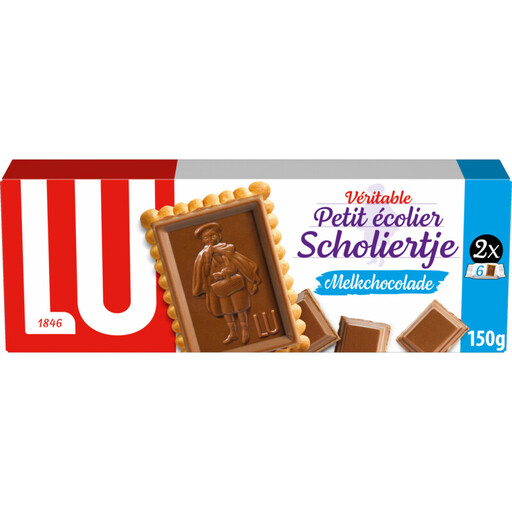 Image unavailable
For a coffee table where you want to offer a biscuit with milk chocolate. The pack contains 150 g; match the number of packs to your planned breaks and check the ingredients and allergen information on the packaging you receive.
 Image unavailable
For anyone wanting to serve speculaas biscuits at a coffee break. The pack states 8 pieces and 200 g; check the pack format if you want to serve them at different times, and read the current label before serving.
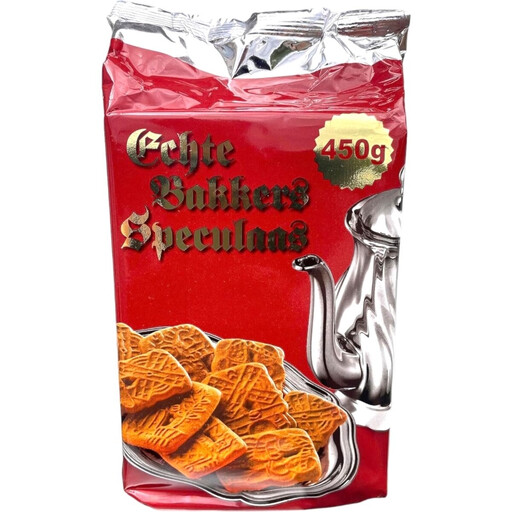 Image unavailable
For a serving point where you want to offer speculaas from a larger pack. The pack contains 450 g; decide how you’ll manage the biscuits once opened, and keep the current allergen information available when serving them unpackaged.
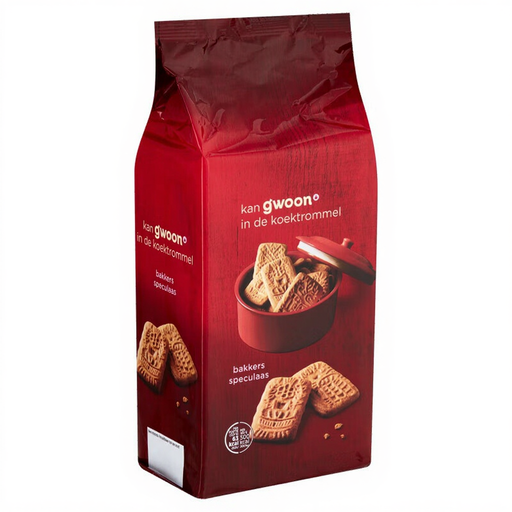 Image unavailable
For a central coffee table where you want to put out a larger quantity of speculaas. The pack contains 600 g; consider what will be left after opening and check the label on the packaging you receive.
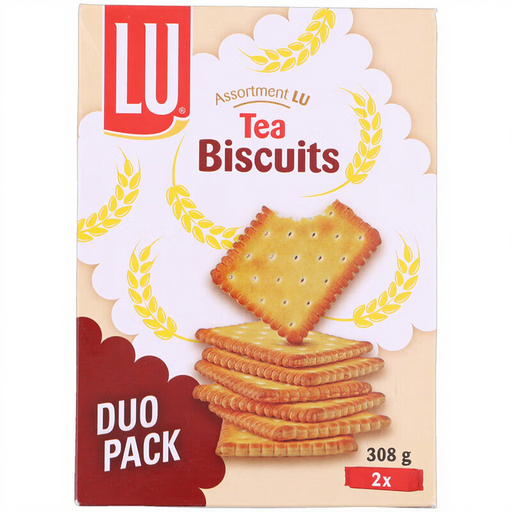 Image unavailable
For anyone looking for tea biscuits as a simple option for a coffee or tea break. The pack contains 308 g; check the pack format if you want to serve the biscuits at different times, and read the current allergen information before serving.
The Netherlands Food and Consumer Product Safety Authority says that information about allergens present must be available wherever unpackaged biscuits are offered. Keep the current information for each biscuit type clearly identifiable at the serving point. The authority lists written and electronic information as options, as well as verbal information under certain conditions.
No. A larger pack is best suited to situations where you can use its contents during the planned breaks. Individually wrapped portions may be more practical for staggered serving or several serving points, provided their number and contents suit your plan.
Individually wrapped portions may be worth considering if you’re serving in several places or want to open a fresh pack for each break. Before planning how to serve them, check how many packs the chosen variety contains and how many biscuits are in each one.
Use the online information to help you choose, but check the packaging of the biscuits you receive before serving them. Albert Heijn notes that ingredients and allergen information can change.