
Vandaag of morgen in huis

Kwaliteit gegarandeerd

Welkomstaanbiedingen ontgrendelen: GRATIS bezorging | Tot 80% korting | Gratis 30 dagen JoyPlus-proefperiode
Download de app
Dry, bleached, coloured or frizzy hair does not automatically need the richest conditioner. A formula that is too rich can leave fine hair limp, while a lightweight conditioner may not provide enough care for severely damaged lengths. If you only go by words such as “repair”, “shine” or “professional”, you risk buying a product that is not suited to your hair.
A conditioner for damaged hair can make the hair fibre feel smoother, make detangling easier and reduce the feeling of dryness. However, it cannot permanently repair damaged ends. Instead, pay particular attention to the ingredients, application and size of the product.
Terms such as “bond building”, “intensive repair” and “up to several times stronger” sound clear, but the exact measurement method varies from one brand to another. A brand’s own research may support such claims under specific test conditions. Do not therefore treat them as universal results.
It is better to check:
Oils, silicones, butters and rich conditioners can make dry hair feel smooth and supple. However, with thinning or fine hair they can create a heavy or greasy feeling more quickly. If your hair lacks volume, choose a lightweight formula and apply conditioner mainly to the lengths and ends.
A conditioner for thinning hair is also not the same as a treatment for hair loss. Product claims about helping to retain hair or create a fuller appearance are cosmetic claims made by the brand and are not a guarantee of a medical effect.
A large bottle is not always better value if you do not enjoy using the product or need much more than expected. Pay attention to the volume in millilitres, the recommended amount per use and the shelf life after opening. A concentrated professional conditioner may work out as more economical per wash than a large bottle of a thinner formula.
A hydrating conditioner often contains humectants such as glycerine, panthenol or hyaluronic acid. These help hair feel softer. Oils and fatty ingredients mainly provide smoothness and nourishment. A combination can work well for very dry hair, while a lighter balance is more practical for fine hair.
Hydrolysed keratin, hydrolysed soy protein and other hydrolysed proteins are often found in repairing conditioners. They can temporarily make hair feel fuller or stronger. Do not automatically use a protein-rich formula every time you wash your hair if it leaves your hair feeling stiff. Alternating it with a gentle hydrating conditioner may be a better approach.
A regular hair conditioner is usually rinsed out after a few minutes. A hair mask for damaged hair is often richer and might be used once or twice a week instead of conditioner. A leave-in product stays in the hair and should therefore be applied sparingly, particularly to fine hair.
Also check the safety information on the packaging. Avoid contact with the eyes and stop using the product if irritation occurs. A product containing perfume or fragrance allergens is not suitable for everyone; check the current ingredients list before buying.
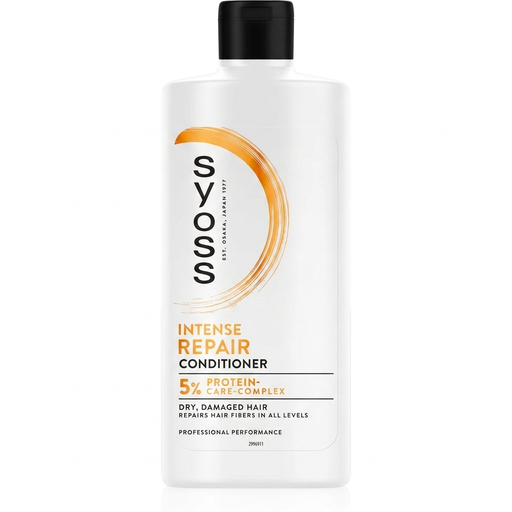
Why it suits this profile: A generously sized bottle for anyone looking for a straightforward conditioner for damaged hair for regular use.
The packaging states a leave-on time of 2 to 3 minutes and a volume of 440 ml, so you do not have to guess how to use it.
According to the product information, it contains glycerine, hydrolysed keratin and soy protein and is intended for damaged hair.
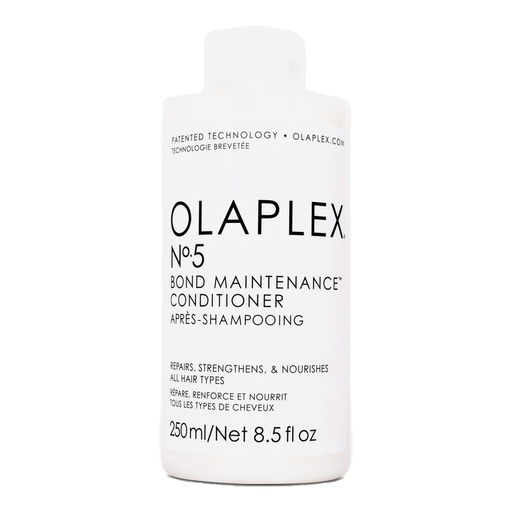
Why it suits this profile: A good choice for coloured, bleached or chemically treated hair when hydration and easy combing are priorities.
The product information specifically mentions hydration, repair and coloured or bleached hair, allowing you to check whether it matches your hair goals.
It has a volume of 250 ml and a creamy formula, and the listed ingredients include panthenol, glycerine and Bis-Aminopropyl Diglycol Dimaleate.
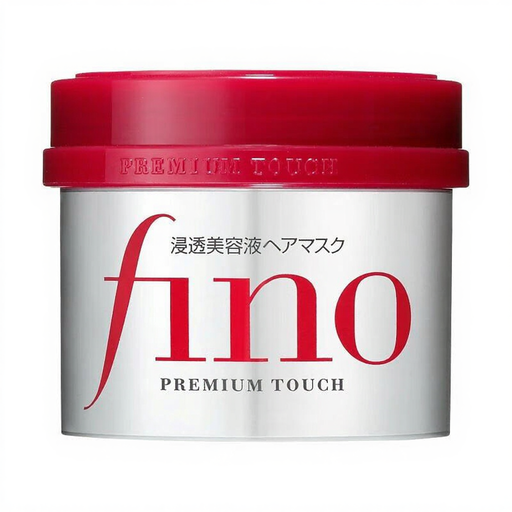
Why it suits this profile: A hair mask for damaged hair if you want to add extra care once or twice a week.
The instructions give clear guidance on frequency: use the mask instead of conditioner, rather than automatically using it every time you wash your hair.
The 230 g product is intended for dry, frizzy and damaged hair; according to the specifications, it is pH-neutral.
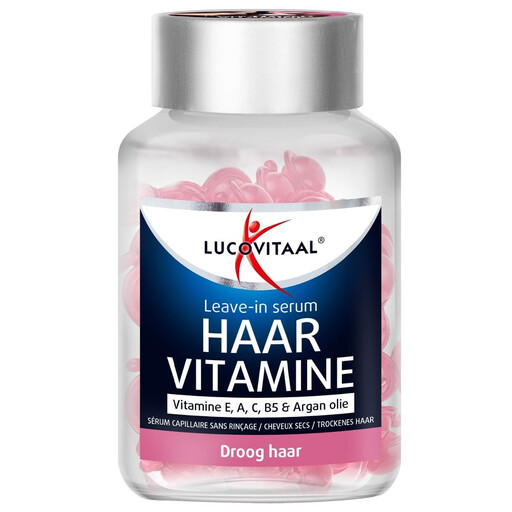
Why it suits this profile: Useful if you want to apply a small amount of leave-in hair serum after washing or to dry hair to help reduce frizz.
The instructions are clear: apply to the lengths and ends and do not rinse out. This makes it easier to control the amount you use.
According to the product information, it contains macadamia, coconut, argan and jojoba oils, among other ingredients, and is suitable for dry, damaged and coloured hair.
We have put together a complete, up-to-date list of products that fully meet these strict selection criteria and the applicable European safety regulations.
You can usually use a regular conditioner after every wash, as long as you apply it only to the lengths and ends. A rich hair mask is generally used once or twice a week. Always follow the instructions for the specific product.
Choose a conditioner with hydrating ingredients and, if appropriate, oils or smoothing agents. For extra control, you can apply a small amount of leave-in hair serum after washing. Start with a small amount of product to avoid a heavy feeling.
No. Price is not the only factor that determines suitability. Compare the volume, ingredients, leave-on time, frequency of use and your hair type. An affordable conditioner for coloured or damaged hair may be a better match than a more expensive formula that weighs your hair down.
