
Vandaag of morgen in huis

Kwaliteit gegarandeerd

Welkomstaanbiedingen ontgrendelen: GRATIS bezorging | Tot 80% korting | Gratis 30 dagen JoyPlus-proefperiode
Download de app
A conditioner can make dry hair feel softer, make it easier to comb and reduce frizz. However, not every hair conditioner is suitable for every hair type. A rich formula can make fine hair feel limp, while a lightweight conditioner may not provide enough care for bleached or damaged hair.
As a Joybuy Product Recommendation Officer, I filter product information based on practical points: hair type, volume, ingredients, usage and packaging. This helps you avoid relying solely on eye-catching claims on the front of a bottle.
Terms such as “repairing”, “intensely moisturising” and “more shine” sound clear, but they do not always explain how a product will work on your hair. According to Syoss’s own research, the Intense Keratin formula can make hair up to 20 times more resilient than untreated hair. This is a brand claim based on specific conditions, not a guarantee for every user.
That is why you should also check the practical information:
A 200 or 250 ml bottle has a different price per use from a value pack of 6 x 440 ml. A larger pack is useful if several people use the same conditioner, but less suitable if you want to try a formula first. Also check the period after opening, such as 6M or 12M, as stated on the packaging.
The lengths and ends usually need more detangling and conditioning than the scalp. For this reason, apply a rinse-out conditioner mainly from the middle of the hair down to the ends. This helps reduce the chance of a heavy or quickly greasy-feeling result. Always follow the product’s instructions for use.
First, choose based on the problem you want to address:
A conditioner for all hair types is practical for a household with different hair textures, but a specific formula may be a better match if your hair is coloured, bleached or very dry.
According to the product specification, a sulphate-free conditioner contains no sulphates. This does not automatically make a product suitable for everyone, but it may be important if you want to avoid sulphates. The same applies to a vegan conditioner: check the product information, because “natural” and “vegan” do not mean the same thing.
Also look out for ingredients you may react sensitively to, such as fragrance or certain preservatives. The ingredients list on the packaging is the definitive source, as formulas can change. If irritation occurs, stop using the product and rinse it out.
Compare the volume with how often you use conditioner:
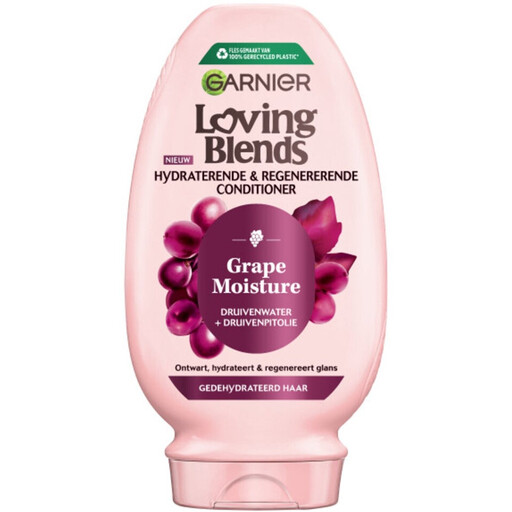
Why it suits this profile: A 250 ml bottle is a manageable choice when you want to try a moisturising conditioner first. The product description mentions a lightweight formula for daily use.
The product information makes its purpose clear: softer hair, easier combing and care for daily use, without a complicated routine.
250 ml; aimed at dry-feeling hair; enriched with grape extract according to the product description.
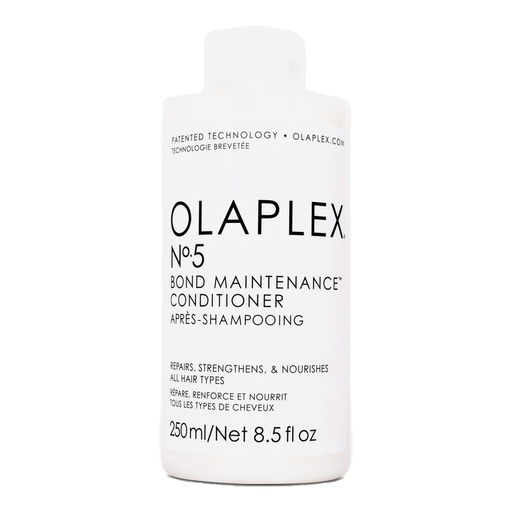
Why it suits this profile: According to the product information, this cream conditioner is intended for all hair types and is also listed for bleached and coloured hair.
The product specification lists vegan, paraben-free, sulphate-free and colour-safe properties, among others. Check the current packaging if these features are decisive for you.
250 ml; suitable for all hair types; product information mentions hydration and care for coloured or bleached hair.
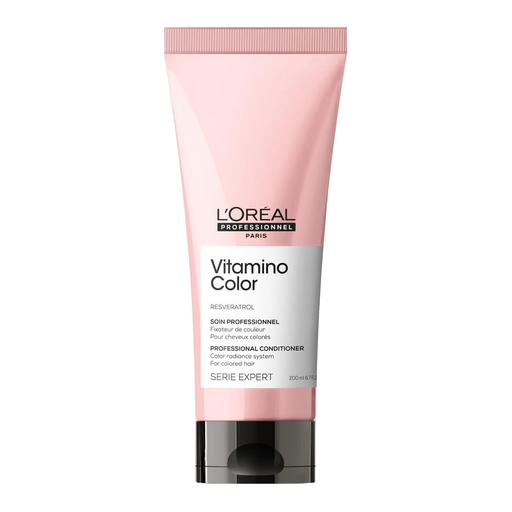
Why it suits this profile: A targeted choice for adults with coloured hair who want a short routine with a set processing time of 1 to 2 minutes.
The target user is clearly stated as having coloured hair. The brand’s claim of colour retention for up to 8 weeks is based on L’Oréal’s own research and is not a fixed result for every user.
200 ml; pump dispenser; sulphate-free, paraben-free and silicone-free according to the product information.
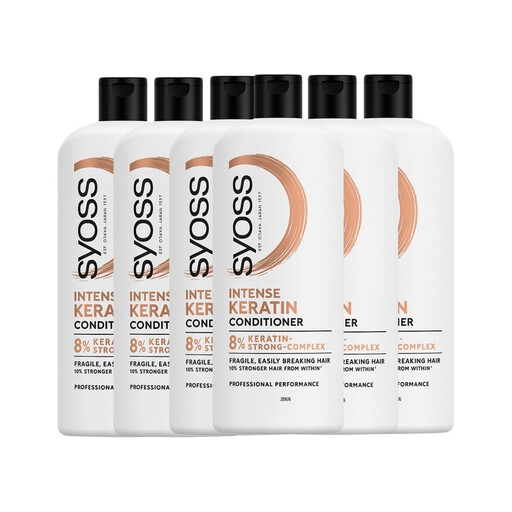
Why it suits this profile: The pack contains six 440 ml bottles, making it suitable for regular use or a household with several users.
The volume and number of items are clearly stated, allowing you to compare the price per bottle instead of looking only at the total price.
6 x 440 ml; intended for damaged hair according to the product information; rich yet lightweight texture according to the product description.
We have put together a complete, up-to-date list of products that fully meet these strict selection criteria and the applicable European safety regulations.
A repairing conditioner can temporarily make hair feel smoother and easier to manage. However, damaged hair fibres do not grow back immediately. As well as using conditioner, limit heat styling, avoid pulling hard on wet hair and use the care products that suit your routine when colouring or bleaching.
Choose a conditioner for dry hair with a nourishing formula and ingredients such as glycerine, aloe vera, avocado oil or shea butter. For fine hair, a lightweight formula is usually more practical, so the hair does not feel weighed down.
This depends on your hair and how often you wash it. A lightweight conditioner may be suitable for daily use. You can use a richer conditioner for damaged hair less frequently if you notice that your hair is becoming limp or weighed down.
Check the symbol on the packaging. “12M” generally means that the product can be used for twelve months after opening; “6M” stands for six months. Keep the bottle closed and store it in a cool, dry place, and always follow the expiry information on the packaging.
