
Vandaag of morgen in huis

Kwaliteit gegarandeerd

Welkomstaanbiedingen ontgrendelen: GRATIS bezorging | Tot 80% korting | Gratis 30 dagen JoyPlus-proefperiode
Download de app
Dry hair, frizz, tangles or a lack of shine? Conditioner can leave your hair softer and easier to comb after washing, but not every product suits every hair type. If you choose based solely on attractive packaging or a claim such as “repairing”, you risk buying a conditioner that weighs your hair down or does not provide enough care.
The most important question is therefore not which brand advertises the loudest, but which formula suits your hair type, hair concern and routine.
A rich conditioner for dry hair can feel pleasant on thick, porous or curly hair. However, the same formula can leave fine hair feeling limp or greasy. Pay attention to the combination of texture, oils, silicones and usage instructions. A lightweight conditioner is often more practical for daily use or fine hair.
Words such as “repairing”, “strengthening” and “shine boost” often describe how a product is positioned. A brand may link these claims to specific results based on its own research or product information, but this is not a guarantee for every user. Treat such claims as product information and also look at the ingredients list, size and application instructions.
A conditioner can make hair feel smoother and help with detangling. That does not automatically mean that split ends will be permanently repaired or that damaged hair will structurally return to its original condition.
A silicone-free conditioner is not automatically more suitable for everyone. Silicones can help create a smooth feel and make hair easier to comb, while some users specifically prefer a lighter, more natural feel. Also check for fragrance, oils, proteins and any ingredients you may be sensitive to.
The current ingredients list is shown on the packaging. Brands may change their formulas, so information on an older product page may differ from the bottle you receive.
Use this practical guide:
A 200 or 250 ml bottle is handy when you want to try a product. Larger 400, 440 or 450 ml bottles make more sense for daily use or longer hair. A multipack can reduce the price per bottle, but do not automatically buy in bulk if you do not yet know whether the conditioner suits your hair.
Also check the recommended processing time. Many conditioners work after one to a few minutes. A product that needs to be left on for five minutes is less suitable for a routine where you want to shower quickly.
Before buying, check the following:
Conditioner is intended for external use. Avoid contact with the eyes and stop using it if irritation occurs. Always follow the instructions on the packaging.
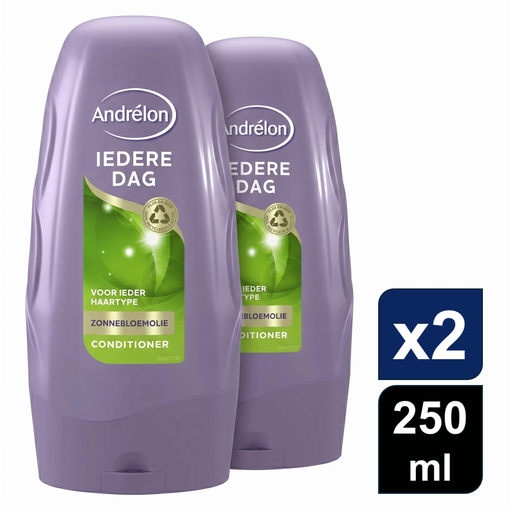
Why it suits this profile: According to the product information, this lightweight conditioner is intended for daily use and all hair types. The 2-pack is practical for a regular haircare routine.
The product description positions this formula as lightweight and non-weighting, making it less likely that you will choose a conditioner that is too rich for normal or fine hair.
250 ml per bottle, two items per pack and, according to the product information, enriched with sunflower oil.
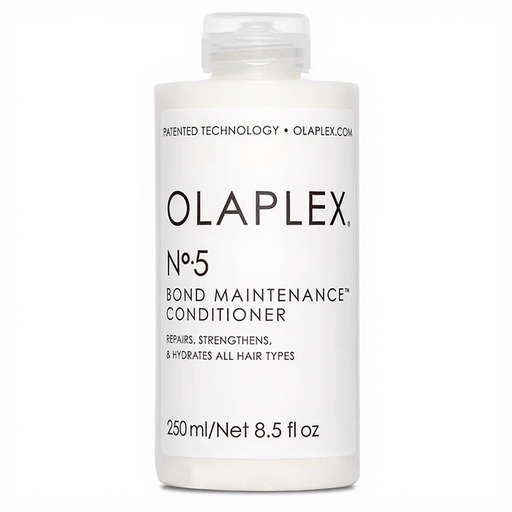
Why it suits this profile: According to the product information, this conditioner is intended for all hair types, including coloured and chemically treated hair, and focuses on moisturising, detangling and a well-groomed appearance.
The product information does not promise a universal result, but clearly specifies its purpose: caring for and moisturising a range of hair types.
250 ml size, cream formula and product information confirming suitability for all hair types.
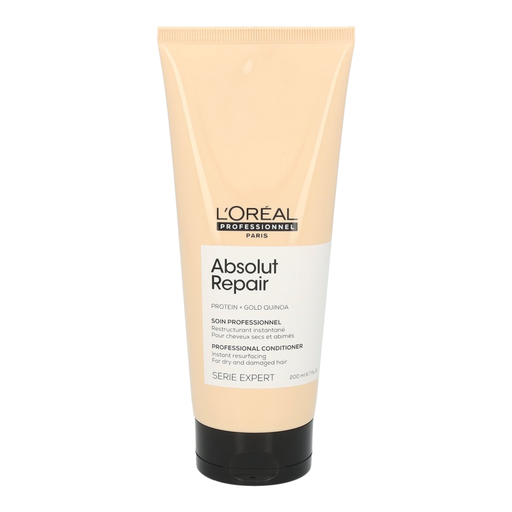
Why it suits this profile: The product information focuses on dry and damaged hair. This makes the conditioner relevant for anyone who regularly colours, blow-dries or uses heat on their hair.
The specifications clearly identify the target user and a processing time of two to three minutes, rather than relying only on a general promise of shine.
200 ml size, intended for damaged hair and, according to the product information, enriched with Golden Quinoa and protein.
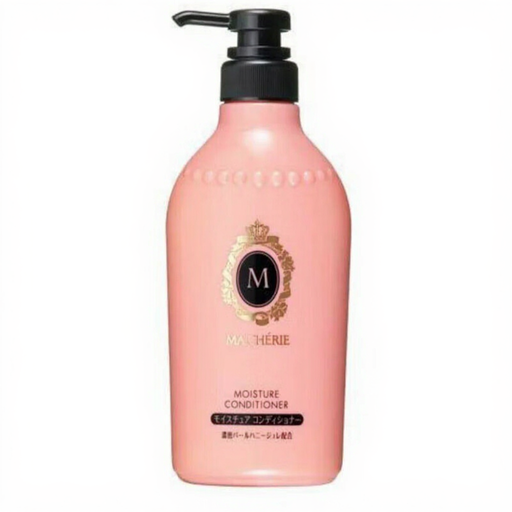
Why it suits this profile: If you are specifically looking for a silicone-free conditioner, this large bottle focuses on moisturising, detangling and creating a lightweight feel.
The product details explicitly mention a silicone-free formula, so you do not have to rely solely on general terms such as “lightweight”.
450 ml size, silicone-free formula and, according to the product information, suitable for all hair types.
Apply hair conditioner after washing, once you have squeezed out excess water. In most cases, distribute the product from the lengths down to the ends. If you have fine hair, you can avoid the roots to help prevent your hair from feeling weighed down. Leave the conditioner on for the time stated on the packaging and rinse thoroughly.
A conditioner for daily use is not the same as an intensive treatment. If you have porous or damaged hair, you could alternate a lightweight conditioner with a richer repairing conditioner. Pay attention to how your hair feels after drying: soft and easy to comb is usually enough; limp, greasy or coarse hair may indicate that your routine needs adjusting.
We have put together a complete, up-to-date list of products that fully meet these strict selection criteria and the applicable European safety regulations.
Choose a formula that, according to the product information, is intended for dry, very dry or frizzy hair. Ingredients such as glycerine, oils and butters can help leave hair feeling cared for and soft. However, pay attention to the amount you use: a rich conditioner can weigh down fine hair.
That depends on your hair and the product. A lightweight conditioner can often be used after every wash. You may need to use an intensive conditioner for damaged hair less frequently. Follow the label and adjust the amount to suit the length and thickness of your hair.
No. Silicone-free is a specific preference, not a general guarantee of quality. A silicone-free conditioner may suit those looking for a lighter feel. Silicones can help make hair feel smoother and easier to comb. So focus on what your hair needs and compare the ingredients list.
