
Vandaag of morgen in huis

Kwaliteit gegarandeerd

Welkomstaanbiedingen ontgrendelen: GRATIS bezorging | Tot 80% korting | Gratis 30 dagen JoyPlus-proefperiode
Download de app
Dry, frizzy, brittle or hard-to-comb hair doesn’t automatically need an expensive product. When choosing a conditioner, the main things to consider are your hair type, the results you want and the formula. Marketing terms such as “repair”, “bond” and “keratin” may sound convincing, but they don’t always tell you how a product will fit into your daily routine.
Use this practical guide to avoid common buying mistakes and compare conditioners using verifiable product information.
Keratin, argan oil, coconut oil and aloe vera are often highlighted on the packaging. That doesn’t automatically mean a conditioner is suitable for every hair type. Check the directions for use, texture, volume and full ingredients list too.
A conditioner with lots of nourishing oils may work well for thick or dry hair, but could feel too heavy on fine hair. A lightweight formula is often a better fit for hair that quickly goes limp.
Terms such as “repair conditioner” and “bond repair” usually refer to a cosmetic effect: hair may feel smoother, be easier to comb and look well cared for. A brand’s own research may measure certain results under specific test conditions, but those claims won’t necessarily apply in the same way to every user.
So check what the product specifically promises, such as hydration, easier combing, suitability for coloured hair or a recommended leave-in time.
A larger pack isn’t always better value. Compare the volume in millilitres, the number of packs and how often you use the conditioner. A 385 ml bottle may be appealing for regular use, while a 200 or 250 ml pack may be more practical for travel or for trying a product first.
Start with your main concern:
A conditioner for all hair types may sound versatile, but your personal preference for a light or rich texture still matters.
Apply a traditional conditioner to the lengths and ends after washing, leave it on for a few minutes, then rinse it out. A leave-in conditioner stays in your hair. This can be practical if you have tangles or dry-feeling lengths, but use only as much as you need to avoid a heavy feel.
Always follow the instructions on the packaging. Avoid contact with your eyes and stop using the product if irritation occurs.
Check whether you want to avoid certain ingredients, such as silicones, sulphates, fragrance or specific preservatives. Claims such as “sulphate-free”, “vegan” or “dermatologically tested” should only be used when clearly stated in the product information.
A brand claim isn’t a general guarantee. Set your expectations based on the stated benefits and intended use, rather than absolute promises.
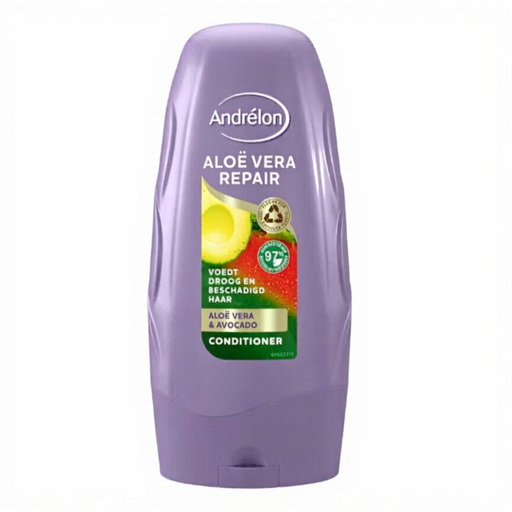
Why it suits this profile: A straightforward choice if you’re looking for a conditioner for dry or damaged hair and want to build a familiar daily hair-care routine.
The product information says it is for dry and damaged hair, with clear instructions to leave it on briefly before rinsing.
250 ml; with aloe vera, avocado and jojoba oils according to the product description; designed to make hair easier to comb.
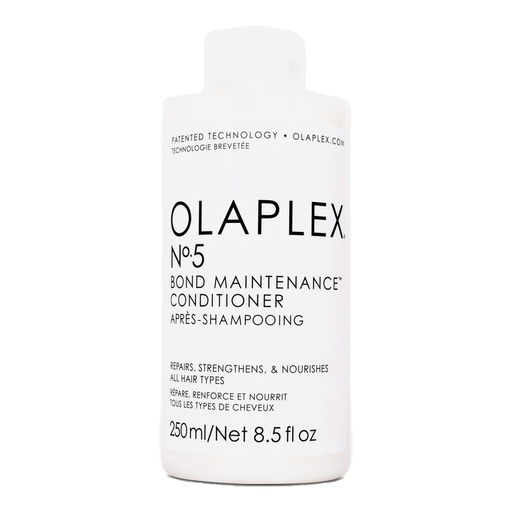
Why it suits this profile: A compact conditioner for adults looking for a care routine that works with different hair textures, including coloured or bleached hair.
The product information specifically mentions hydration and use on all hair types, so your choice isn’t based on a single standout ingredient.
250 ml; cream formula; according to the product information, suitable for all hair types and for coloured or bleached hair.
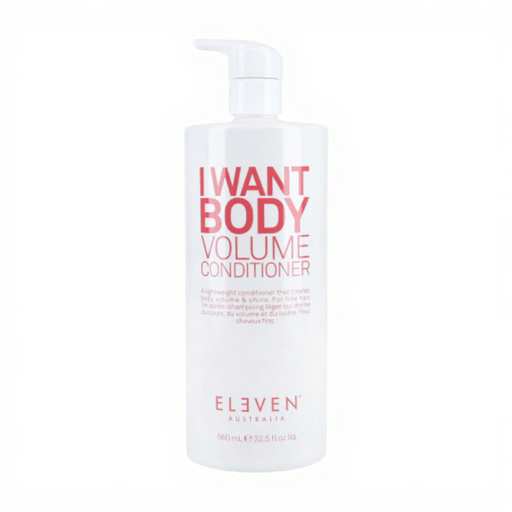
Why it suits this profile: The large pack is ideal for households or people who wash their hair frequently and want a volumising conditioner for fine or limp hair.
The 960 ml volume makes it easy to see how much you’re getting. The product description also identifies fine, limp hair as its target hair type.
960 ml; with avocado oil and hydrolysed soya protein according to the product information; designed to add volume while conditioning hair.
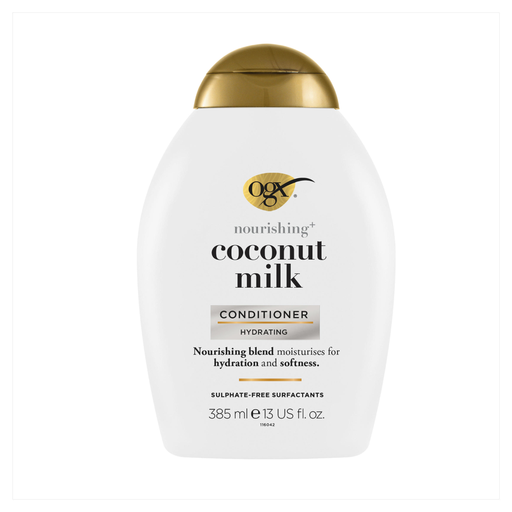
Why it suits this profile: A practical option if you’re looking for a hydrating conditioner for dry and damaged hair, without committing to a large pack straight away.
The product description mentions coconut milk, proteins and coconut oil. You can compare the volume and recommended leave-in time of 3 to 5 minutes before buying.
385 ml; designed for dry and damaged hair; clear instructions to apply to the lengths and ends.
We’ve put together a complete, up-to-date list of products that meet these strict selection criteria and current European safety requirements.
Apply rinse-out conditioner mainly to the lengths and ends, rather than routinely to your scalp. A small amount is often enough for fine hair. Leave the product on for as long as stated on the packaging, then rinse thoroughly.
Use leave-in conditioner on clean, damp hair. Distribute it evenly and start with a small amount. Only combine different products if your hair doesn’t feel heavy or greasy.
It depends on your hair and washing routine. If your hair is dry, curly or damaged, using conditioner after every wash may feel beneficial. If you have fine hair, start with a small amount on the ends and adjust how often you use it according to the results.
A conditioner for all hair types can be a versatile choice, but “suitable for all hair types” doesn’t mean every texture will feel the same. Consider the formula, the amount of oil or silicones and the recommended way to use it too.
Follow the shelf-life information on the packaging. Some products give a period-after-opening symbol, such as 12M. Keep conditioner tightly closed, out of direct sunlight and follow the manufacturer’s storage instructions. If the smell, colour or texture changes significantly, stop using the product.
