
Vandaag of morgen in huis

Kwaliteit gegarandeerd

Welkomstaanbiedingen ontgrendelen: GRATIS bezorging | Tot 80% korting | Gratis 30 dagen JoyPlus-proefperiode
Download de app
A conditioner can make dry, frizzy or hard-to-comb hair feel more manageable. However, not every hair conditioner is suitable for every hair structure. A rich formula can weigh fine hair down, while a light conditioner may not provide enough care for very dry hair.
If you only rely on words like “intensive”, “restorative” or “professional”, you also run the risk of choosing a product that doesn’t suit your own hair. So start by looking at the intended use, the list of ingredients and the way you apply the conditioner.
Brands often use terms like “up to half as much frizz”, “more resilience” or “colour retention for a certain number of washes”. These are not universal results. According to the brand’s own research, such outcomes may apply under specific conditions. Your hair structure, washing frequency and styling routine also play a role.
Therefore, use claims as additional information, not as your sole reason to buy. Always check which hair type and problem the product is intended for.
Oils, butters, silicones and film-forming ingredients can help make hair feel smoother. However, with fine hair, a rich conditioner can quickly result in a heavy or flat look. So apply a nourishing conditioner mainly to the lengths and ends, not routinely to the scalp.
A regular conditioner cares for the hair, but it isn’t automatically designed for colour retention or neutralising yellow and brassy tones. For coloured hair, look for labels such as “Color”, “Vitamino Color” or “Intense Color”. For blonde, grey or highlighted hair, a silver conditioner is a more specific choice.
Start with the main problem:
The ingredients list is in descending order of quantity. Water is often at the top, followed by, among others, fatty alcohols, nourishing substances and conditioning ingredients. Cetearyl alcohol, for example, is a fatty alcohol that is not the same as drying alcohol. Glycerine acts as a moisture-binding ingredient, while argan oil, coconut oil, avocado oil and shea butter can provide a richer feel.
If you are consciously looking for a silicone-free conditioner, you must check this explicitly on the packaging or product page. Silicones are not necessarily undesirable: they can make hair feel smoother and make detangling easier. The choice depends on your hair, desired finish and personal preference.
Also pay attention to fragrances and allergens. Products such as Andrelon Silver Care and Oil & Care mention limonene and linalool, among other ingredients. Stop using if irritation occurs and avoid contact with the eyes.
The volume varies considerably. A bottle of 200 or 250 ml is practical for trying out a product first, while 400 or 440 ml can be more appealing for regular use. A multi-pack can be good value when you already know the formula suits you.
A regular conditioner is rinsed out. A leave-in conditioner stays in the hair and is handy for daily detangling or extra care. Revlon Equave Strengthening Detangling Conditioner, for example, is a leave-in variant of 200 ml. Use a leave-in according to the product instructions and apply it mainly to the lengths and ends.
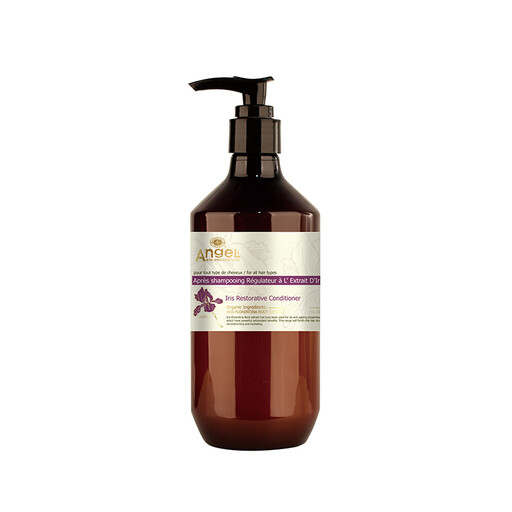
Why this suits the profile: According to the product description, the formula is suitable for all hair types and has a volume of 400 ml. This makes this conditioner practical if you are looking for a general hair conditioner without immediately choosing a specialised variant.
The product information mentions all hair types rather than one specific hair problem. Do check whether the fragrance and richness of the formula suit your preference.
400 ml volume; iris extract, argan oil and glycerine are mentioned in the product description.
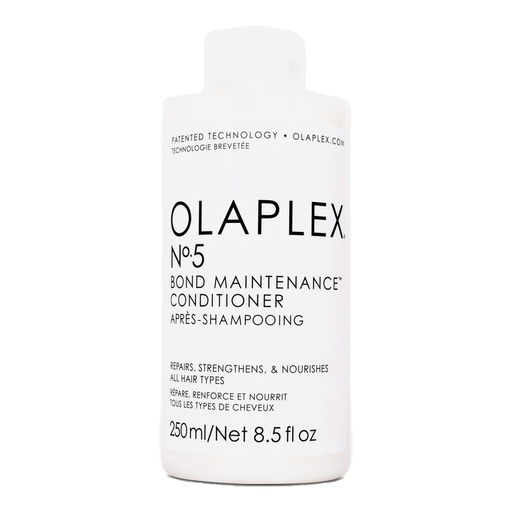
Why this suits the profile: According to the product information, this conditioner is intended for all hair types and is also suitable for coloured and bleached hair. The 250 ml volume is manageable for a targeted routine.
The product page mentions concrete features such as colour-safe, sulphate-free and vegan. Check the current packaging for the most up-to-date information.
250 ml; designed for hydration and repair; according to the product information, suitable for all hair textures.
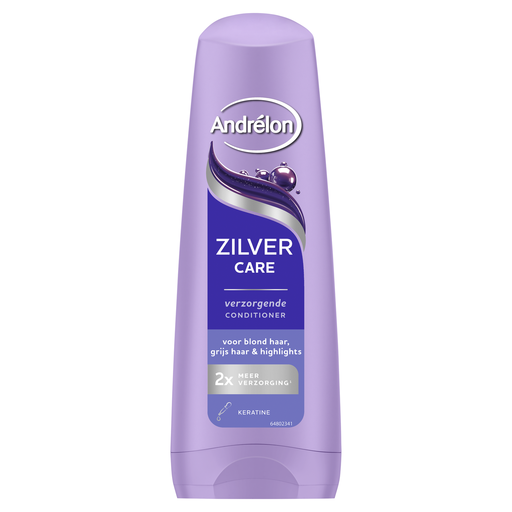
Why this suits the profile: This variant is specifically aimed at highlighted, blonde and grey hair. According to the product description, the formula with keratin helps care for the hair and reduce unwanted yellow and brassy tones.
The target audience is clearly stated. Don’t expect a silver conditioner to have the same purpose as a general hydrating conditioner.
200 ml; keratin mentioned in the ingredients; aimed at blonde, grey and highlighted hair.
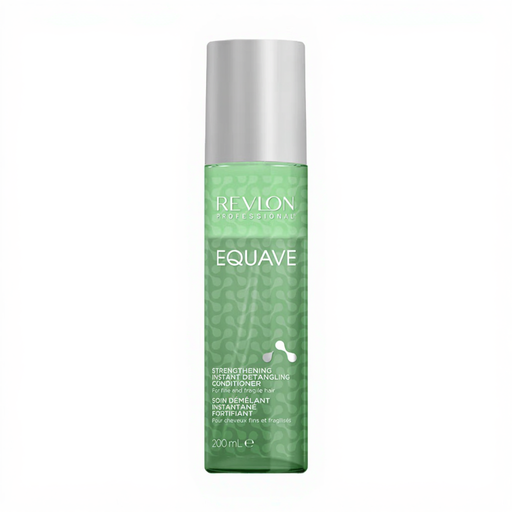
Why this suits the profile: This is a leave-in conditioner for all hair types. The formula is designed to detangle hair and can be handy for people who don’t want an extra rinsing step after washing.
The type of conditioner is clearly stated as leave-in. This reduces the chance of using a rinse-out product incorrectly.
200 ml; leave-in formula; according to the product description, suitable for all hair types, including fine hair.
We’ve put together a full, up-to-date list of products that fully meet these strict selection criteria and comply with current European safety regulations.
Apply a rinse-out conditioner to clean, damp hair. Distribute the product from mid-lengths to the ends and leave it on for one to several minutes, depending on the packaging. Then rinse thoroughly.
Use less product on fine hair. For dry, curly or damaged hair, a slightly larger amount can be pleasant, but too much conditioner won’t automatically mean your hair is better cared for. A leave-in conditioner, on the other hand, is used after washing and left in.
That depends on your hair and washing routine. For dry, long or coloured hair, conditioner after every wash can be practical. For fine hair, you can alternate or use a small amount to avoid weighing it down.
Check the shelf life and the period after opening on the packaging. Some products, for example, mention 12M, which means the product should be used within twelve months of opening. Keep the bottle tightly closed and out of direct sunlight.
A conditioner is usually intended for regular use and short application times. A hair mask often has a richer texture and is left on for longer. For daily detangling, a conditioner is usually more practical; for extra care, you can additionally use a mask.
