
Vandaag of morgen in huis

Kwaliteit gegarandeerd

Welkomstaanbiedingen ontgrendelen: GRATIS bezorging | Tot 80% korting | Gratis 30 dagen JoyPlus-proefperiode
Download de app
Coloured hair doesn’t automatically need the same conditioner as natural hair. Dyeing, bleaching, highlights or heat can leave hair feeling drier and more prone to frizz. At the same time, you’ll want to avoid your colour turning dull or blonde hair developing an unwanted yellow tinge.
When choosing a conditioner for coloured hair, there are three common pitfalls to watch out for:
A colour-retention conditioner is designed for dyed hair in various shades. Look for ingredients and product information focused on care, smoothness and maintaining shine. This type of conditioner is usually suitable for regular use after washing.
For blonde, grey, bleached hair or highlights, a purple conditioner, blonde conditioner or anti-yellow conditioner may be a better fit. Purple pigments are used to make yellow or warm undertones optically less visible. That doesn’t mean every product gives the same result. So check the recommended leave-in time and start with less frequent use if needed.
A repairing conditioner or hydrating conditioner is more suited to dry, porous or treated hair. Products like Olaplex conditioner are described as targeting hydration, care and supporting the hair structure. Treat brand claims about repair as information from the manufacturer, not a guaranteed result for every user.
The contents are usually given in millilitres. A 200 to 250 ml bottle is practical when you want to try a formula first. A 440 ml, 800 ml or multipack can be more economical for frequent use and long hair.
Also pay attention to the usage instructions:
A silver shampoo conditioner can refer to different product types in practice. Sometimes it’s a conditioner used after silver shampoo, sometimes a toning conditioner with pigments. So read the product name and instructions carefully.
Objective points help put marketing language into perspective. Compare, for example:
Claims like “protects for up to 12 weeks” or “repairs damaged hair fibres” come from the brand’s product information. For Garnier, for example, the stated results are based on an instrumental test after using shampoo and conditioner. With Syoss, colour retention for up to 12 weeks is linked, according to the product description, to use with the matching shampoo. The actual experience can vary from person to person.
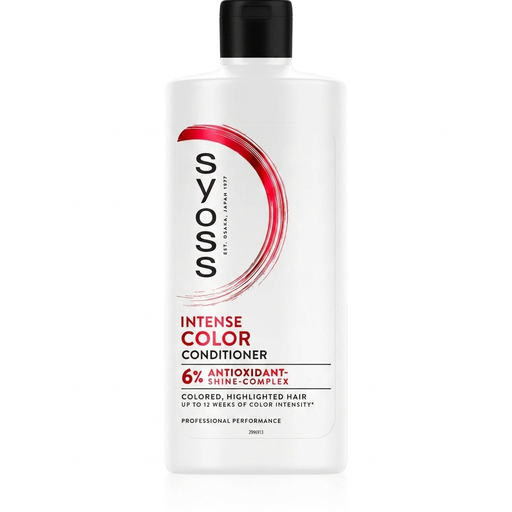
Why this fits the profile: The 440 ml size is practical for regular use and gives beginners room to incorporate a colour-retention conditioner into their routine without immediately opting for a large salon pack.
The product details clearly state the contents, variant and shelf life after opening. This makes comparing easier than relying on a colour claim alone.
440 ml; designed for coloured hair; the formula contains glycerine and hydrolysed keratin according to the product details.
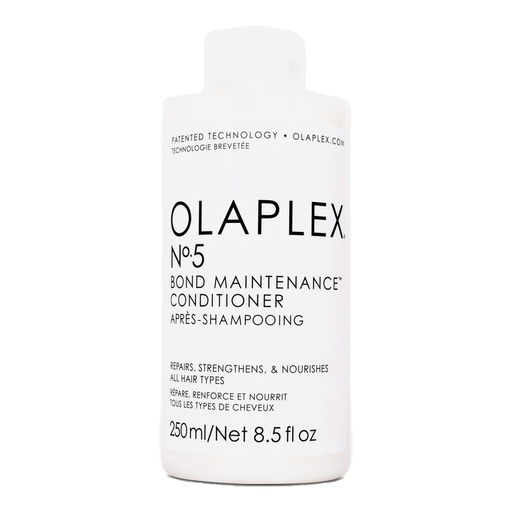
Why this fits the profile: If you mainly want to care for coloured or bleached hair, you get a formula that Olaplex says is designed for hydration, shine and all hair types.
This is not a toning conditioner. This means you avoid purple pigments affecting your colour when neutralising yellow isn’t your goal.
250 ml; suitable for coloured and bleached hair; according to the product details, it’s vegan, sulphate-free and paraben-free.
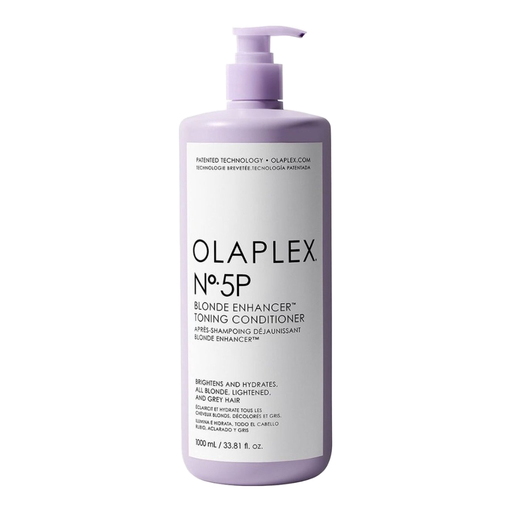
Why this fits the profile: The litre pack is aimed at users with blonde, grey or bleached hair who regularly use a toning conditioner.
The product information states a leave-in time of around three minutes and weekly use or as needed. This lets you adjust the intensity better than with daily blind use.
1000 ml; micro-fine pigments according to the product description; designed to optically neutralise yellow tones and care for blonde or grey hair.
For natural blonde shades and highlights, the Garnier Loving Blends conditioner with chamomile and flower honey could be of interest. According to the product description, it’s designed for natural, highlighted and sensitive blonde hair. The L’Oréal Elvital Color Shine conditioner, according to the manufacturer, focuses on colour care and contains vitamin Cg and a UVB filter. The L’Oréal Professionnel Vitamino Color conditioner in 200 ml is a compact option for coloured hair; the product details mention a leave-in time of one to two minutes.
If you specifically want to tackle yellow or copper tones, you could also look at the Kemon Actyva Anti-Yellow Conditioner or the Dancoly Lavender Purple Toning Conditioner. Dancoly is available in 250 ml and 800 ml. The larger pack makes sense if you already know the formula and use it regularly.
A conditioner value pack, such as the Syoss Intense Color 4-pack or 6-pack, is practical when several people use the same conditioner or when you want to stock up. Do compare the total contents with the price and check the storage and shelf-life information.
We’ve put together a full, up-to-date list of products that fully meet these strict selection criteria and comply with current European safety regulations.
For bleached hair, you can choose between a hydrating or repairing conditioner and a toning variant. Use a purple conditioner when you want to neutralise yellow undertones. If you mainly want softness and detangling, choose a conditioner without colour pigments.
Follow the product instructions and adjust the frequency to your hair colour and desired result. A toning conditioner doesn’t always need to be used with every wash. Start with a short leave-in time and assess the result after rinsing.
It can be, especially with daily or frequent use. Calculate the price per 100 ml and check whether the conditioner will be used up within the recommended shelf life after opening. For occasional use, a 200 to 250 ml pack is often more practical.
