
Vandaag of morgen in huis

Kwaliteit gegarandeerd

Welkomstaanbiedingen ontgrendelen: GRATIS bezorging | Tot 80% korting | Gratis 30 dagen JoyPlus-proefperiode
Download de app
A conditioner can make your hair softer, easier to comb through and more polished-looking. However, not every formula suits every hair type. A product for very dry hair may work well for thick locks but feel too heavy on fine hair. Terms such as “repairing”, “natural” and “hydrating” also mean little on their own without the full product information.
This guide helps you compare conditioners based on hair type, formula, size and how they are used. That way, you can avoid paying mainly for attractive packaging or a general marketing claim.
“For all hair types” means that a product is suitable for broad use. It does not mean it will have the same effect on fine, curly, bleached or very dry hair. So also look at the stated purpose, such as hydration, care for damaged hair or reducing tangles.
A vegan conditioner, silicone-free conditioner or formula containing a high percentage of ingredients of natural origin may suit your preferences. However, this does not automatically indicate whether the conditioner feels lightweight, rich or smoothing. Check the full ingredients list on the packaging, especially if you are sensitive to perfume or certain preservatives.
Ingredients lists can be changed. The current packaging should therefore be treated as the definitive source. In this guide, a brand claim is not presented as a guaranteed effect; according to the brand’s own information, it may refer to a particular formula, composition or suitable hair type.
A 250 ml conditioner is practical for regular use and easy to compare with other bottles. A 400, 440 or 550 ml pack may offer better value per millilitre, but takes up more space and is less convenient when travelling. If you use a lot of product every day, a multipack may be more economical, such as six 250 ml bottles.
Silicones can give conditioner a smooth feel and make hair easier to comb through. If you prefer a lighter or different hair-care routine, you can look for a silicone-free conditioner. This is a formula choice, not a general guarantee of quality.
Also check for perfume ingredients and preservatives if you have reacted sensitively to them in the past. If irritation occurs, stop using the product. Avoid contact with the eyes and follow the instructions on the packaging.
Usually apply conditioner to wet hair after washing, distribute it through the lengths and ends, and rinse it out after the stated processing time. The recommended amount varies depending on your hair length and the formula.
When buying, compare:
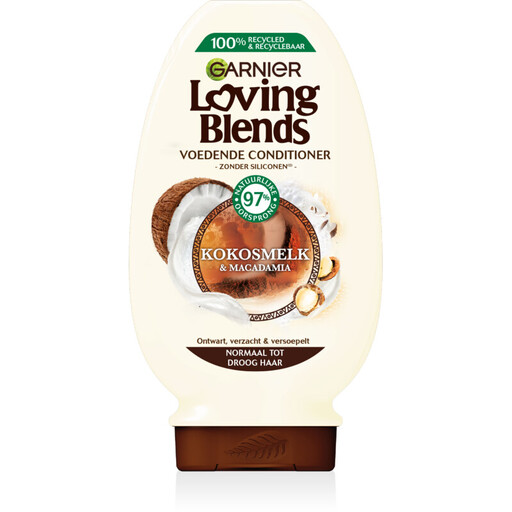
Why it suits this profile: The 250 ml size is manageable for everyday use, and the product description focuses on normal to dry hair.
The silicone-free formula and clear indication that it is for normal to dry hair make the choice more specific than a general claim.
250 ml, a silicone-free formula, and coconut milk with macadamia according to the product description.
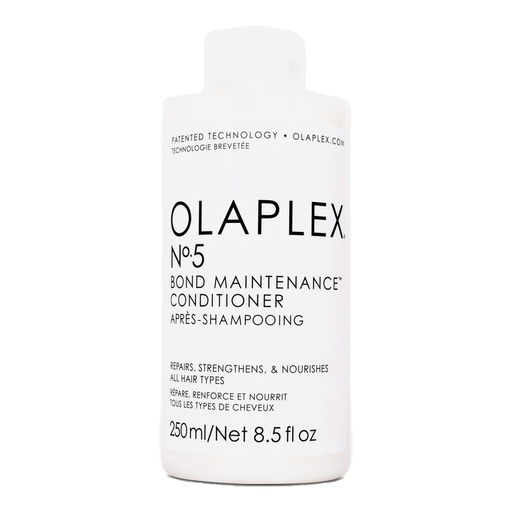
Why it suits this profile: This conditioner is designed to hydrate and care for, among others, all hair types, including bleached and coloured hair.
The product details explicitly state 250 ml, a cream formula, vegan, paraben-free, sulphate-free and colour safe.
Suitable for different hair textures; the product information lists vegan and colour safe among its features.
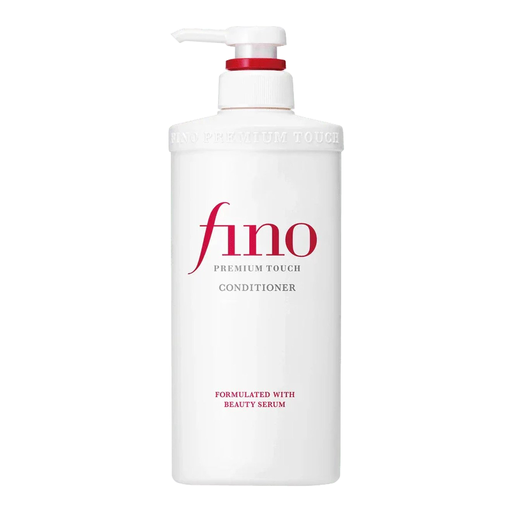
Why it suits this profile: The large pack is practical for anyone who uses conditioner frequently and is focusing on dry or damaged hair.
The product description states that it is a deep conditioner, gives the 550 ml size and specifies use on the lengths and ends.
Large size, designed to provide more intensive care and described as suitable for all hair types.
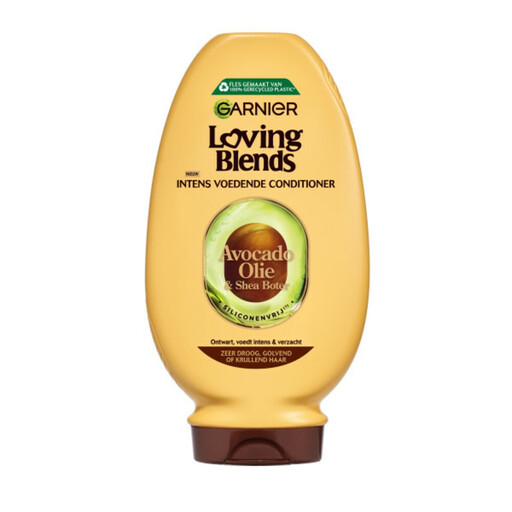
Why it suits this profile: The product details identify very dry and frizzy hair as the specific target group.
Instead of making a broad promise, its intended use is clearly defined: very dry and frizzy hair.
250 ml, with avocado oil and shea butter according to the ingredient information; vegan and paraben-free according to the product details.
We have put together a complete, up-to-date list of products that fully meet these strict selection criteria and the applicable European safety regulations.
Apply conditioner after washing to the lengths and ends, unless the packaging specifies a different method. A small amount is often enough for fine hair. Leave a richer or deeper conditioner on for a few minutes when stated on the label, then rinse thoroughly.
For coloured or bleached hair, use a product that explicitly states colour safe or suitable for coloured hair. You can combine an everyday conditioner with a more intensive treatment if you wish, but make sure your hair does not feel weighed down or greasy.
That depends on your hair type, how often you wash it and the formula. If you have dry, curly or damaged hair, using conditioner after every wash may work well. If your hair is fine or becomes greasy quickly, you can limit conditioner to the lengths and ends and use a smaller amount.
Check the expiry date or period-after-opening information on the packaging. Keep the bottle tightly closed, in a cool, dry place and out of direct sunlight. If the smell, colour or texture changes noticeably, stop using the product.
Not necessarily. Compare the price per 100 ml, the recommended amount and the size. A 550 ml bottle may offer a lower cost per use, while a 250 ml conditioner is more convenient if you want to see first whether the formula suits your hair.
