
Vandaag of morgen in huis

Kwaliteit gegarandeerd

Welkomstaanbiedingen ontgrendelen: GRATIS bezorging | Tot 80% korting | Gratis 30 dagen JoyPlus-proefperiode
Download de app
Dry, frizzy or damaged hair doesn’t automatically need the most expensive conditioner. The key is often finding a formula that suits your hair type. A lightweight conditioner may work well for fine hair, while thick, curly or treated hair may need more nourishing ingredients.
Look out for these three common pitfalls:
A hydrating conditioner often contains humectants such as glycerine or panthenol. These can help your hair feel softer and easier to manage. For dry, dull hair, richer conditioning ingredients such as plant oils, butters and conditioning agents are also worth considering.
A conditioner for frizzy hair can temporarily make the hair surface feel smoother. That doesn’t mean it permanently repairs split ends. The only way to remove damaged ends is to have them cut off.
Check the ingredients list before buying, especially if you’re sensitive to fragrance or certain preservatives. Various conditioners contain fragrance ingredients such as limonene, linalool or citronellol. Stop using the product if irritation occurs, and avoid contact with your eyes.
Silicones aren’t automatically a drawback. Ingredients such as dimethicone can make hair feel smoother and easier to comb through. If you prefer a silicone-free conditioner, you can filter specifically for one. Garnier Wahre Schätze Argan & Camellia is described as silicone-free in the product information.
Terms such as “natural”, “vegan” or “sulphate-free” don’t, on their own, tell you whether a product is right for your hair. Always check the current packaging, as ingredients and claims may change.
A 385 ml bottle may seem like good value, but how long it lasts depends on how much you use each time and the length of your hair. A multipack can be practical if several people use the same formula. If you’ll only use it occasionally, or you’re still trying to find what works for you, a single bottle may be easier to manage.
Most products in this selection recommend applying the conditioner to wet hair after washing, concentrating on the lengths and ends. Leave it on for a few minutes, then rinse thoroughly. Always follow the instructions on your chosen product’s label.
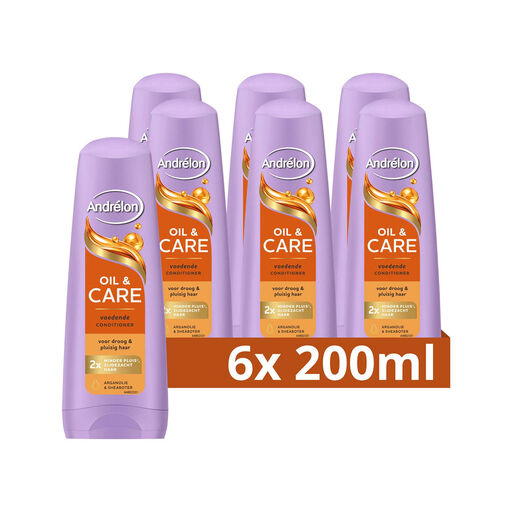
Why it suits this profile: The pack contains six 200 ml bottles. It’s practical for regular use and makes it easy to compare the total volume.
You’re not choosing based on a standalone anti-breakage claim, but weighing up a clearly specified multipack and its intended use for dry hair.
Six 200 ml bottles; according to the product description, designed to condition dry hair and make it easier to comb through.
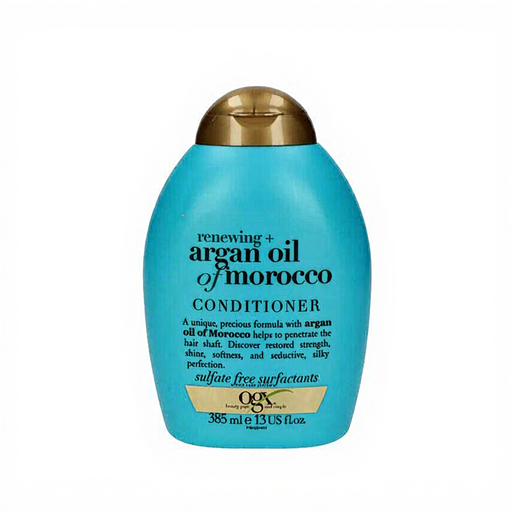
Why it suits this profile: This conditioner combines argan oil with coconut oil, avocado oil, cocoa butter, keratin and panthenol, making it a good option if you’re looking for a richer formula.
The relevant ingredients are listed clearly, so you don’t have to rely on the words “argan oil” alone.
385 ml; according to the product information, it combines oils, cocoa butter, hydrolysed keratin and panthenol.
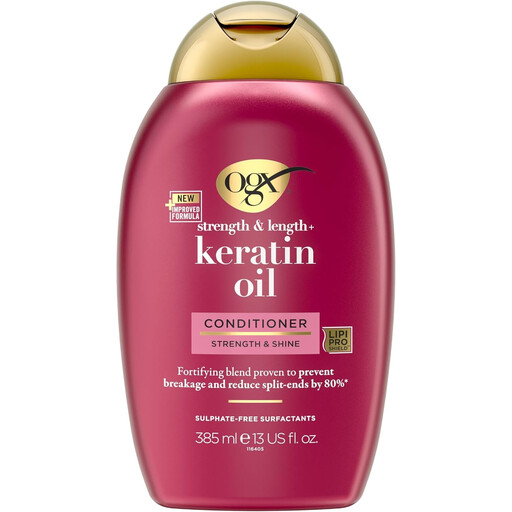
Why it suits this profile: The product description lists damaged, curly and coloured hair as suitable uses. This makes it a relevant option for hair that needs extra care.
Its intended use is more specific than simply “for dry hair”: the description also mentions curly and coloured hair.
Contains keratin proteins and argan oil according to the ingredients information; the directions recommend leaving it on for 3–5 minutes.
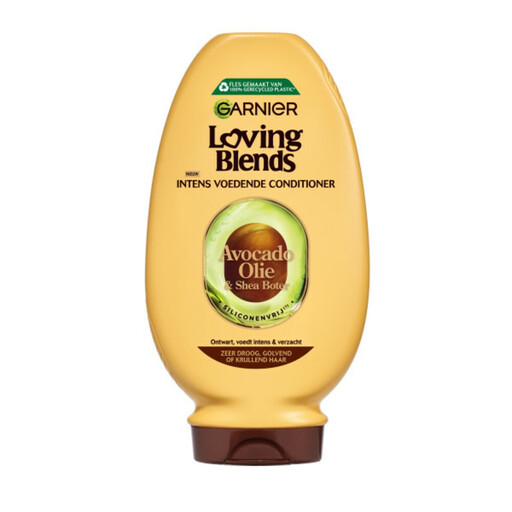
Why it suits this profile: According to the product information, this formula is designed for very dry or frizzy hair and combines avocado oil with shea butter.
The product description specifies both the hair type and the key oils and butter. This helps you match your choice to your own hair type.
250 ml; according to the product description, 97% ingredients of natural origin, vegan, and designed to detangle and soften hair.
We’ve put together a complete, up-to-date list of products that meet these strict selection criteria and current European safety regulations.
Choose a formula that suits your hair type and look for conditioning agents, glycerine, panthenol, oils or butters. If your hair is damaged or coloured, a formula with proteins may be worth considering. Apply conditioner mainly to the lengths and ends, rather than automatically applying it to your scalp.
It depends on your hair and washing routine. If your hair is dry, thick or curly, using conditioner after every wash may work well. If your hair is fine, start with a small amount and apply it just to the ends. Always rinse thoroughly to help prevent your hair feeling weighed down or greasy.
Store the bottle as directed on the packaging and avoid prolonged exposure to heat or direct sunlight. Check the shelf-life information and the period-after-opening symbol. If the smell, colour or texture changes noticeably, stop using the product.
