
Vandaag of morgen in huis

Kwaliteit gegarandeerd

Welkomstaanbiedingen ontgrendelen: GRATIS bezorging | Tot 80% korting | Gratis 30 dagen JoyPlus-proefperiode
Download de app
A conditioner can make hair easier to detangle, softer and more manageable. Yet not every formula suits every hair type. A product for blonde hair has different properties from a conditioner for dry, coloured or sensitive hair. If you rely solely on an attractive package or a big promise, you could end up spending money on a product that doesn't fit your routine.
As a Joybuy Product Recommendation Officer, I focus on verifiable data: volume, recommended hair type, usage instructions, ingredients and packaging format. That way, you can compare conditioners without treating marketing claims as guaranteed results.
A silver conditioner, purple conditioner or anti-yellow conditioner is designed for specific shades, such as blonde, grey, white or bleached hair. According to the product description, violet and blue pigments can help to visually neutralise yellow or brassy tones. That doesn't mean such a formula is automatically suitable for every hair type or daily use.
If you have normal, brown or untreated hair, first check the stated purpose of the conditioner. A regular nourishing conditioner is often the more logical choice.
"97% natural origin", "professional conditioner" and similar labels don't tell you on their own how the product will work with your hair. Always look at what else is stated:
According to a brand's own research, ingredients such as keratin, argan oil or resveratrol can support certain conditioning properties. Treat such claims as brand information and compare them with the full ingredients list and usage instructions.
A conditioner of 800 or 1000 ml may look appealing per millilitre, but it's only practical if you use the formula regularly and have enough storage space. Also check the shelf life after opening. Some products, for example, state a period of 12 months. A conditioner value pack of 440 ml or multiple bottles can be more economical for a household, but check the total volume and not just the price of one bottle.
First, choose based on your main concern:
A 250 ml conditioner is handy for trying out a formula first. Larger bottles, such as 385 ml, 440 ml, 800 ml or 1000 ml, are more interesting for regular use. Compare the price per 100 ml.
Follow the instructions on the packaging. Many conditioners are applied to damp hair after washing and then rinsed out. A toning conditioner may have a recommended leave-in time of a few minutes. Leaving it on longer doesn't automatically mean a better result and can affect the colour appearance.
Check whether the formula matches your preferences:
Claims about softness, shine, colour protection or neutralisation come from the brand's product information. Use them as a comparison point, not as a guaranteed personal result.
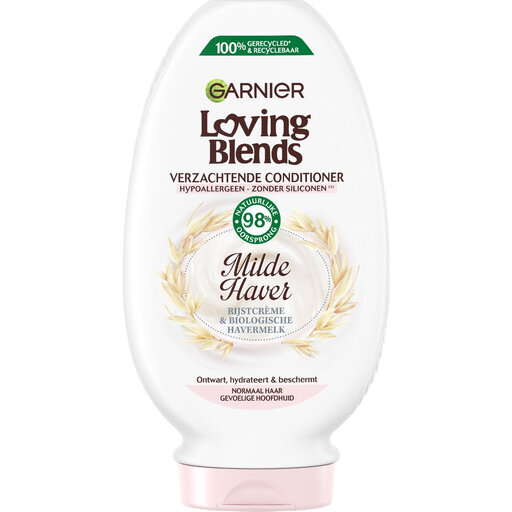
Why this fits the profile: The 250 ml volume is manageable for anyone trying a new conditioner for the first time. According to the product information, this formula is intended for normal hair and a sensitive scalp.
The product description lists clear features: 250 ml, silicone-free and 97% ingredients of natural origin. This means you don't have to rely solely on general marketing terms.
According to the product information: detangles, hydrates and softens; ECARF-certified and labelled hypoallergenic.
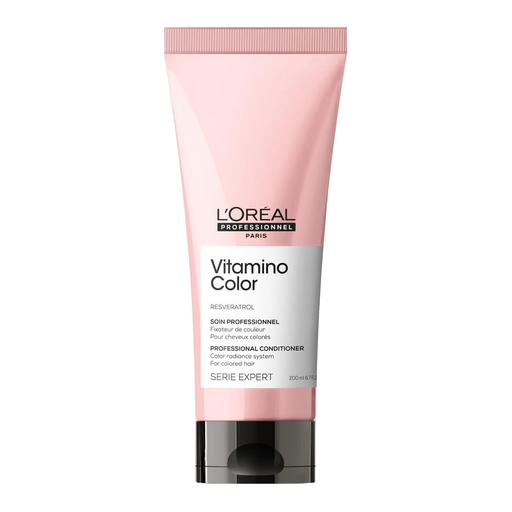
Why this fits the profile: This professional conditioner is designed for coloured hair and comes in a 200 ml pump bottle. That suits a regular hair care routine with attention to dosage.
The product details separately list the hair type, volume, pH-neutral formula and a shelf life after opening of 12 months.
According to the product information: suitable for coloured hair; sulphate-free, paraben-free and silicone-free; contains resveratrol.
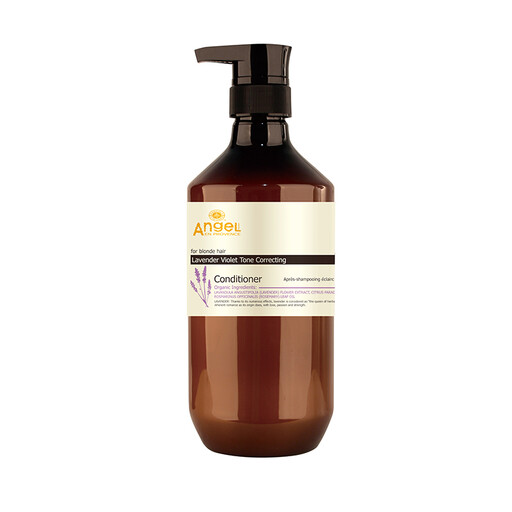
Why this fits the profile: The large bottle is aimed at regular use on blonde hair. According to the product description, the formula contains violet colouring ingredients and is intended for counteracting yellow tones.
The volume and application are clearly described. The instructions mention applying to damp hair, leaving on for a few minutes and rinsing thoroughly.
According to the product information: 800 ml; suitable for blonde hair; purple toning formula; labelled paraben-free.
We've put together a full, up-to-date list of products that fully meet these strict selection criteria and comply with current European safety regulations.
Apply a normal conditioner mainly to the lengths and ends. Avoid the scalp if your hair gets greasy quickly, unless the packaging specifically recommends the formula for that. For dry or frizzy hair, a richer formula with oil or butter may be suitable, while fine hair may benefit more from a lighter texture.
Don't automatically use a silver conditioner with every wash. Look at the colour of your hair, the desired shade and the brand's instructions. Stop if irritation occurs and rinse thoroughly if it comes into contact with the eyes. Always check the current packaging before purchase, as ingredients and claims can change.
That depends on your hair structure and the product instructions. Dry, curly or treated hair may need conditioning with every wash. Fine or quickly greasy hair may require a lighter formula or less frequent use. Apply the product mainly to the lengths and ends.
According to the product descriptions from various brands, silver conditioners, purple conditioners and anti-yellow conditioners are intended for blonde, grey, white or bleached hair. They often contain purple or blue pigments that can visually neutralise unwanted warm tones. Always check the recommended leave-in time and frequency of use.
Not necessarily. Compare the price per 100 ml and take your usage into account. A 250 ml conditioner is handy for trying out first. A conditioner value pack of 440 ml, 800 ml or more can be more cost-effective if you use the formula regularly and finish it within the shelf life after opening.
