
Vandaag of morgen in huis

Kwaliteit gegarandeerd

Welkomstaanbiedingen ontgrendelen: GRATIS bezorging | Tot 80% korting | Gratis 30 dagen JoyPlus-proefperiode
Download de app
A lukewarm drink on a scorching day or spoiled food halfway through your camping trip. These are the minor annoyances that can ruin a great adventure. The market for portable cooling is vast but filled with pitfalls. Many people invest in an ‘electric cooler’ only to discover too late that it barely cools on a hot day, drains their car battery, or makes a disruptive noise in their camper.
Before you make a choice, it's crucial to understand the three most common mistakes:
This guide will help you avoid these problems and explain what to look for when choosing a reliable compressor cooler.
A smart purchase starts with understanding the technology. For a car refrigerator that truly performs, these are the three most important factors to consider.
This is the most critical distinction. A compressor cooler works just like your home refrigerator. It uses a refrigerant and a compressor to actively remove heat. This allows it to reach a stable, low temperature (often down to -20°C), regardless of the outside temperature, making it suitable as a cooler with a freezer function.
A thermoelectric cooler can only maintain a limited temperature difference from its surroundings. For serious cooling or freezing on the go, a compressor model is the only reliable option.
A versatile cooler works on various power sources. Look for the following connections:
Just as important is battery protection. A quality compressor cooler has an adjustable feature (often with 3 levels: Low, Medium, High) that automatically cuts off power if your car battery's voltage drops too low. This ensures your vehicle will always start without issues.
Not every cooler is suitable for every situation. Below is a selection of models matched to specific user profiles.
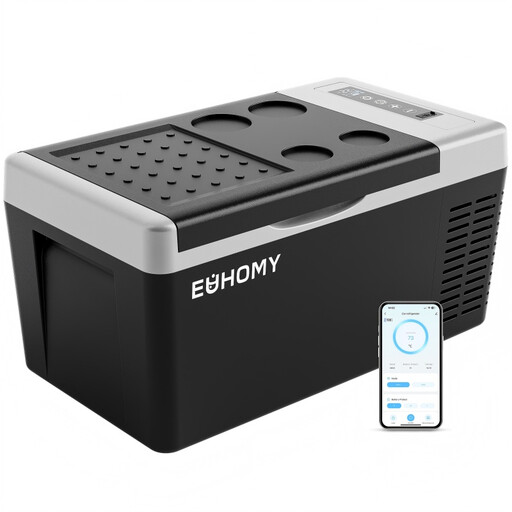
Why This Fits Their Persona: Ideal for those seeking a compact, portable solution without compromising on cooling power. It fits easily behind a car seat and is light enough to carry to a picnic spot.
This model offers true compressor cooling performance down to -20°C. Unlike thermoelectric boxes, this one delivers ice-cold drinks even on the hottest summer days.
APP Control: Adjust the temperature remotely via Bluetooth. Battery Protection: Built-in 3-stage protection prevents a dead battery.
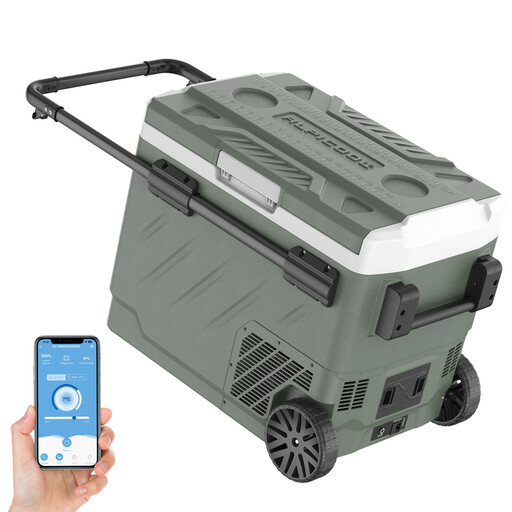
Why This Fits Their Persona: With a spacious 49-litre capacity and two independently controlled zones, this is a full-fledged portable fridge/freezer for longer trips. The wheels and retractable handle make it easy to move around the campsite.
The battery protection is crucial for campers who stay in one spot for several days. It prevents the leisure or starter battery from being drained unnoticed.
Dual-Zone: Freeze ice cream in one compartment and keep drinks cool in the other. Large Capacity & Mobility: Spacious enough for a week, yet still portable thanks to its wheels.
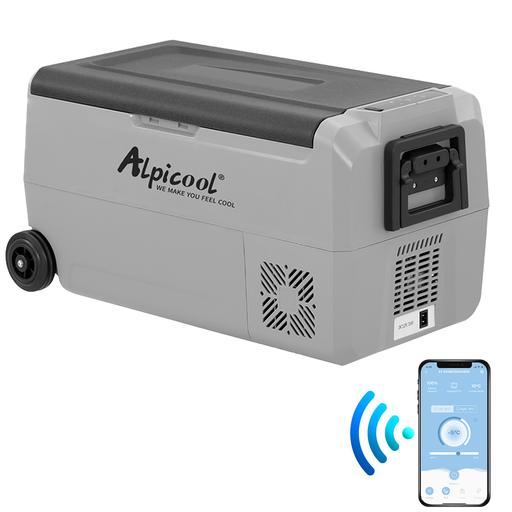
Why This Fits Their Persona: Designed for long hauls. The dual-zone with separate controls is perfect for keeping meals frozen and drinks chilled. Its size strikes a good balance between capacity and the limited space in a cab.
The ECO mode and low noise level are crucial for overnight stays in the cab. The cooler operates efficiently and quietly, ensuring it won't disturb your sleep.
Separate Temperature Control: Full control over both compartments. Energy Efficient: The ECO mode minimises power consumption during long stops.
We have compiled a complete, up-to-date list of products that meet these strict selection criteria and comply with current regulations.
Power consumption depends on the size, set temperature, and ambient temperature. Most models consume between 45 and 60 Watts when the compressor is actively running. In the energy-saving ECO mode, the average consumption is significantly lower, as the compressor only turns on when needed to maintain the temperature.
A model without battery protection certainly can. Therefore, always choose a portable car fridge with a built-in, adjustable battery monitoring function. This feature measures the battery's voltage and automatically shuts off the cooler before the battery is too depleted to start the engine.
Cooling power. A compressor cooler can actively freeze down to -20°C, regardless of the outside temperature. A thermoelectric cooler can only cool to a certain number of degrees (usually 15-20°C) below the ambient temperature. As a result, on a hot day, a thermoelectric model performs inadequately for keeping food safe and drinks truly cold.
