
Vandaag of morgen in huis

Kwaliteit gegarandeerd

Welkomstaanbiedingen ontgrendelen: GRATIS bezorging | Tot 80% korting | Gratis 30 dagen JoyPlus-proefperiode
Download de app
Supplements can often seem straightforward to compare: pick a well-known brand, check the number of capsules and look for an appealing claim on the packaging. Yet two products aimed at the same audience can differ significantly in dosage, composition and ease of use.
This frequently leads to unnecessary spending. A multivitamin, for example, may already contain vitamin D and zinc, while you also buy a separate zinc supplement on top. Equally, a high dosage isn’t automatically better suited to your daily needs. With these checkpoints, you can compare vitamins, minerals and specific formulas more practically.
A formula packed with vitamins, minerals, amino acids and plant extracts may look comprehensive. What matters more, however, is how much of each ingredient is present per recommended daily dose. So always check:
With products containing botanical ingredients, you need to be extra cautious about marketing claims. If a brand states that, for example, sage, maca, cayenne pepper or artichoke has a particular effect, this should not be presented as a proven fact. At Ymea, it is explicitly stated that health claims about sage, maca, cayenne and artichoke are still awaiting European approval.
Some supplements contain a multiple of the RI. This may be appropriate in a specific situation, but it doesn’t automatically make the product suitable for everyone. This applies, for instance, to vitamin D3, vitamin C, biotin and iron.
Pay particular attention to stacking. A women’s multivitamin may already contain zinc, vitamin D3 and vitamin B6. If you add a zinc supplement, hair vitamins or vitamin D3 capsules on top, your total intake can quickly add up. If you are taking medication, pregnant, breastfeeding or have a medical condition, it is wise to seek advice from a doctor or pharmacist first.
Capsules are compact, but not everyone finds them easy to swallow. Gummies and chewable tablets are more accessible, while effervescent tablets are handy if you prefer to dissolve a supplement in water. Always check the minimum age for children and keep gummies out of reach. In terms of shape and taste, they can sometimes resemble sweets.
Don’t just compare the number of units in a pack; work out how many days it will last. A pot of 120 tablets taken as one tablet a day will last four months, whereas two gummies a day will use up a pack of 60 in just one month.
Also look at the form of the ingredient. Examples include vitamin D3 as cholecalciferol, iron bisglycinate or zinc methionine. The product description may give information about the compound used, but a marketing term like “enhanced absorption” is no guarantee of a personal result.
A general multivitamin is different from a menopause formula, an iron supplement or amino acids for athletes. Tailor your choice to your goal:
Check whether the product is gluten-free, lactose-free or gelatine-free if that matters to you. Vegan supplements usually have a plant-based capsule or tablet, but do check the full ingredients list.
With gummies, pay attention to the storage instructions. Some products need to be kept cool and dry after opening and used within a certain period. For effervescent tablets, a well-sealed pack is important to keep moisture out.
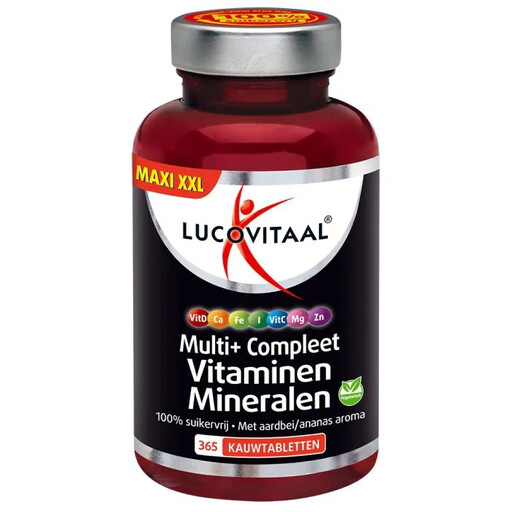
Why this fits the profile: The chewable tablets are designed for adults and children from 3 years, with a strawberry-pineapple flavour and a daily dosage that varies by age.
The composition and dosage per age are clearly described, so you are less likely to give an adult dose to a child.
365 chewable tablets, sugar-free according to the product description and free from artificial flavours and colours.
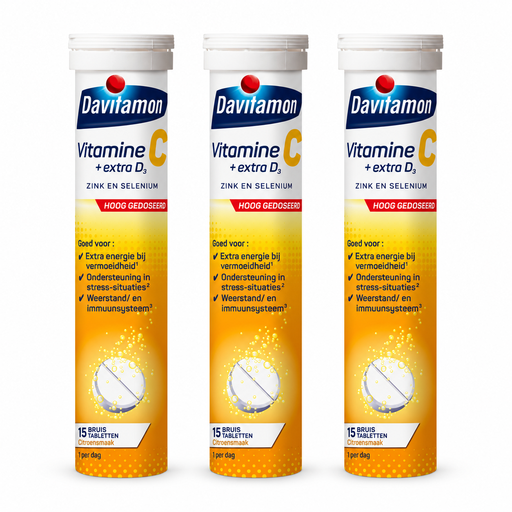
Why this fits the profile: For anyone who wants a fixed daily routine with one effervescent tablet instead of several capsules.
The amounts are clearly stated: 600 mg vitamin C, 5 mcg vitamin D3, 55 mcg selenium and 10 mg zinc per tablet.
Sugar-free formula, lemon flavour and a pack containing 3 × 15 effervescent tablets.
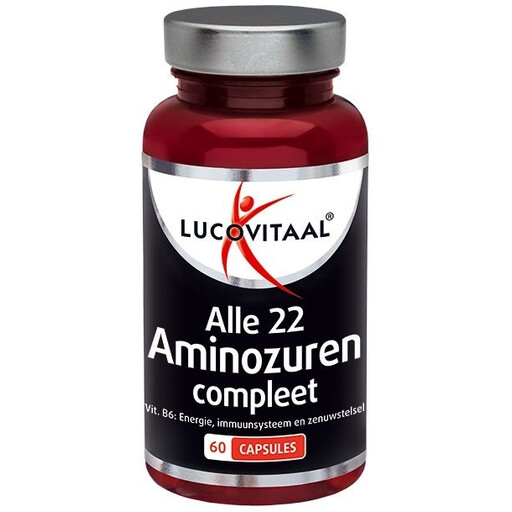
Why this fits the profile: Aimed at adults who consciously want to add amino acids to their daily routine or sports nutrition.
The product information lists the amount of each of the 22 amino acids individually, plus 0.21 mg vitamin B6 per daily dose.
Plant-based capsules that, according to the usage information, can also be opened and mixed with, for example, yoghurt.
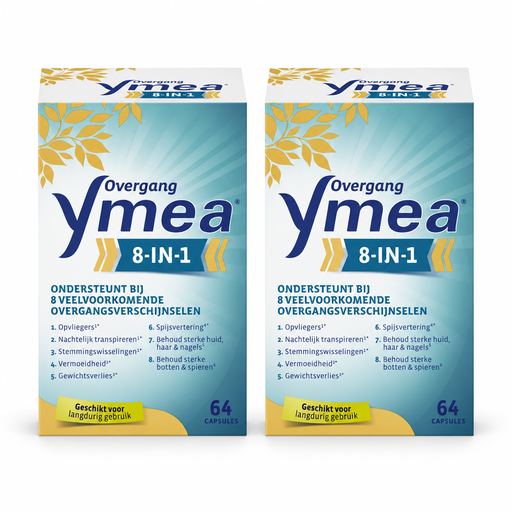
Why this fits the profile: According to the product description, this formula combines maca, sage, artichoke, cayenne, vitamin B6, vitamin D3 and zinc.
The daily dosage is clearly defined as two capsules, and the warnings about medication and hormone-sensitive conditions are clearly stated.
2 × 64 capsules, vegetarian and free from gluten, lactose and gelatine according to the product data.
We have compiled a full, up-to-date list of products that fully meet these strict selection criteria and comply with current European safety regulations.
Always check the expiry date and storage instructions on the packaging. Most products should be stored in a dry, dark place at room temperature. Seal pots tightly and, for gummies, pay attention to the period within which they should be used after opening.
This is only safe if you check your total daily intake. Overlap is common with vitamin D3, vitamin C, zinc, iron and vitamin B6. So don’t automatically combine a multivitamin with individual supplements. If you are taking medication or are in doubt, it is wise to seek advice from a doctor or pharmacist.
This varies by product. Some children’s vitamins are suitable from 3 years, others only from 5 years or older. Always follow the recommended daily dosage, do not give an adult product to a child and keep gummies out of reach of young children.
