
Vandaag of morgen in huis

Kwaliteit gegarandeerd

Welkomstaanbiedingen ontgrendelen: GRATIS bezorging | Tot 80% korting | Gratis 30 dagen JoyPlus-proefperiode
Download de app
Tropical drinks are popular with consumers looking for something different from standard squash or fizzy drinks. Think Asian drinks, coconut water, mango drinks, passion fruit drinks and guava drinks. However, an exotic name or colourful packaging does not always tell you enough about what you are buying.
The main pitfalls usually come down to three points:
Misinterpreting “no added sugar”
This wording does not automatically mean that a drink is sugar-free or low in calories. Fruit juice naturally contains sugars. Always check the nutritional values per 100 ml.
Confusing a fruit pictured on the front with a high fruit content
Check the percentage of juice, purée or extract in the ingredients list. For example, according to the product description, Iam Superjuice Passionfruit Drink contains 30% passion fruit juice. Mirinda Orange lists 4% orange juice from concentrate.
Buying a multipack without considering when you will use it
A drink multipack is practical for a family, party or catering use, but less convenient if you want to try a flavour first. Also consider the total volume, shelf life and available refrigeration after opening.
If you are looking for an exotic fruit drink, it is worth understanding the difference between juice, purée, concentrate, extract and flavouring. A higher fruit content can provide a more pronounced fruit flavour, but it does not only tell you about the taste. Sugar content and acidity are also relevant to your choice.
The distinction is also important with coconut water. According to the product information, Iam Superjuice Coconut Water is described as 100% coconut water with 2% coconut pieces and no added sugar. Coco Rico Coconut Water With Pulp Can, on the other hand, lists carbonated water, sugar and/or glucose-fructose syrup, coconut extract and preservative E211. So if you specifically want coconut water with no added sugar, check the ingredients list rather than relying solely on the product name.
Always compare products on the same basis: per 100 ml. This prevents a small pack from appearing more favourable than a large bottle or can.
Some examples from the product information:
Please note: “low-calorie drink” is a description you should always verify against the nutritional table. Natural sweeteners, sugars from juice and serving size also determine how a product fits into your daily routine.
A 230 or 330 ml can is suitable for a single serving and easy to take with you. A 1-litre pack is better suited to breakfast, smoothies, coffee or a meal shared by several people. Once opened, a chilled product will generally need to be used quickly; follow the instructions on the packaging.
A multipack can be appealing for a party or cupboard storage. Check the following in advance:

Why it suits this profile: The 12 330 ml cans are a convenient way to try a tropical flavour while stocking up for home, work or a meal.
The fruit content and nutritional values are listed in the product description, so you do not have to rely solely on the packaging or flavour name.
According to the product information, it contains 30% passion fruit juice, no added sugar and 17 kcal per 100 ml.

Why it suits this profile: A good choice for shoppers who pay attention to ingredients, vegan options and a distinctive coconut water flavour without a fruit juice blend.
The product information explicitly states 100% coconut water and no added sugar. Check the current packaging when your order arrives.
12 330 ml cans, described as vegan and containing 2% coconut pieces.
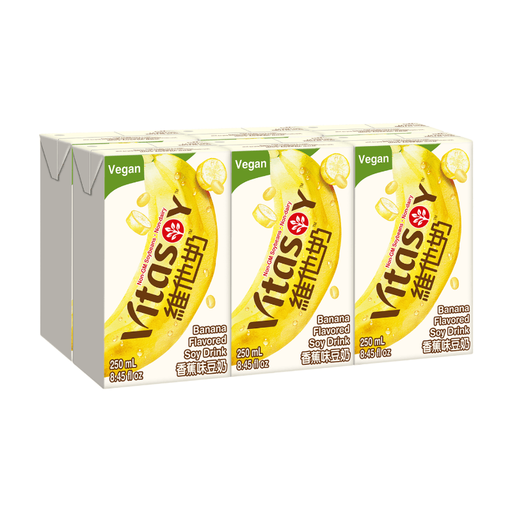
Why it suits this profile: The small packs are ideal for breakfast, lunchboxes or Asian meals where you want to portion drinks individually.
The ingredients and nutritional values are clearly specified, including soya, sugar and 4.9 g of sugars per 100 ml. This makes the choice easy to assess.
6 packs of 250 ml, with a soya base and banana flavour; 196 kJ per 100 ml is listed.
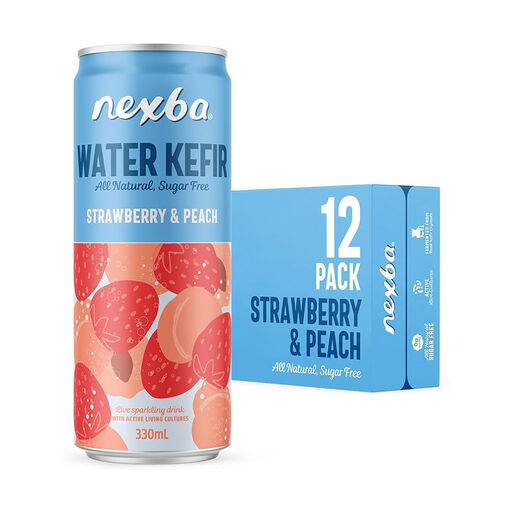
Why it suits this profile: This water kefir is aimed at anyone looking for a lightly sparkling, fruit-flavoured drink who also considers nutritional values per 100 ml.
The listed nutritional information gives 2 kcal and 0 grams of sugar per 100 ml. The ingredients include erythritol, steviol glycosides and fermented water kefir.
12 330 ml cans, sparkling and, according to the product information, free from the 14 major EU allergens.
We have compiled a complete, up-to-date list of products that fully meet these strict selection criteria and the applicable European safety regulations.
It varies by brand and flavour. The available product information lists Nexba Water Kefir Strawberry & Pear at 2 kcal per 100 ml, Iam Superjuice Pink Guava at 16 kcal, and Iam Superjuice Passionfruit and Mango at 17 kcal per 100 ml. Always check the current nutritional table on the packaging.
Coconut water generally refers to water from the coconut, but the composition varies from one product to another. Some coconut drinks contain sugar, carbonation, coconut extract or coconut pulp. So compare the ingredients. According to the product description, Iam Superjuice Coconut Water contains 100% coconut water, while Coco Rico Coconut Water With Pulp Can lists sugar and coconut extract.
Store an opened product in the fridge and use it within the period stated on the packaging. Some products specify a short period for use after opening. Store unopened cans and cartons according to the instructions, usually in a cool, dry place away from direct sunlight. With a drink multipack, also consider the storage space available before placing your order.
