
Vandaag of morgen in huis

Kwaliteit gegarandeerd

Welkomstaanbiedingen ontgrendelen: GRATIS bezorging | Tot 80% korting | Gratis 30 dagen JoyPlus-proefperiode
Download de app
Supplements often seem straightforward to compare: you pick a pot with the right ingredient and look at the price. In reality, the differences lie in the details. Think about the amount of active substance, the form of a mineral, the number of capsules per day and the warnings on the label.
If you only focus on terms like “complex”, “pure” or “natural”, you may end up paying for ingredients that don’t suit your goals. This buying guide will help you assess supplements objectively, without taking marketing claims as your starting point.
A large number on the packaging catches the eye, but it’s important to check what that number actually refers to. With an extract, the amount of raw material may be listed differently from the amount of concentrated extract. With magnesium, you need to check whether it refers to elemental magnesium or the total weight of the compound.
For example, Lucovitaal Magnesium Citrate states 400 mg of magnesium per recommended daily dose of two tablets. Lucovitaal Magnesium 375 mg Bisglycinate lists 375 mg of magnesium per two tablets. So always compare the daily dose, not just the number in the product name.
A natural ingredient can still be unsuitable for your situation, allergies or medication use. A product with multiple herbal extracts isn’t automatically a logical choice either. Look at:
With a shilajit supplement, an extract ratio of 20:1 according to the product description means that roughly twenty parts of raw material have been used for one part of extract. That gives information about concentration, but doesn’t in itself prove effectiveness.
A pack of 30 capsules may seem good value, but the recommended amount could be two or three capsules per day. So calculate the cost per day. Lucovitaal NAC+ contains 60 capsules and recommends one capsule per day. Based on the product information, one pack therefore corresponds to a usage period of around 60 days.
Also watch out for combinations. A magnesium supplement, zinc with copper and an antioxidant supplement may partially contain the same nutrients. Don’t simply stack multiple products with zinc, selenium, vitamin A or other micronutrients.
The chemical form can be relevant for the composition and ease of use. Examples include magnesium citrate and magnesium bisglycinate. Lucovitaal Magnesium Night combines citrate and bisglycinate and, according to the product information, also contains L-tryptophan and Sleepyhead. The recommended intake is two tablets, 30 to 60 minutes before sleep.
A vegan omega 3 often uses algae oil instead of fish oil. Lucovitaal Microalgae Vegan Omega-3 contains, according to the label, 110 mg of DHA per capsule and is suitable for vegans and vegetarians. With omega 3, therefore, check specifically the amount of DHA or EPA, not just the total weight of the oil.
A product taken once a day fits more easily into a regular routine for many people than a product with multiple intake moments. That’s not a quality judgement, but it is a practical difference.
Examples from the range:
For psyllium fibres, drinking enough water is especially important. Always follow the instructions on the label.
Check whether a product is vegan, vegetarian or free from certain allergens. Lucovitaal NAC+ and Lucovitaal Microalgae Vegan Omega-3 are vegan according to the product information. Lucovitaal Magnesium Night is not vegan. Lucovitaal Green Tea Slimming Capsules contain gelatine and are therefore not vegan.
Also pay attention to specific warnings. A sleep supplement with melatonin or herbs can affect alertness. smartsleep SLEEP+ contains 1 mg of melatonin per capsule and recommends use about 30 minutes before sleep. According to the product information, you should consult a doctor or pharmacist if you are pregnant, breastfeeding or taking medication. Do not drive after taking it until you know how it affects you.
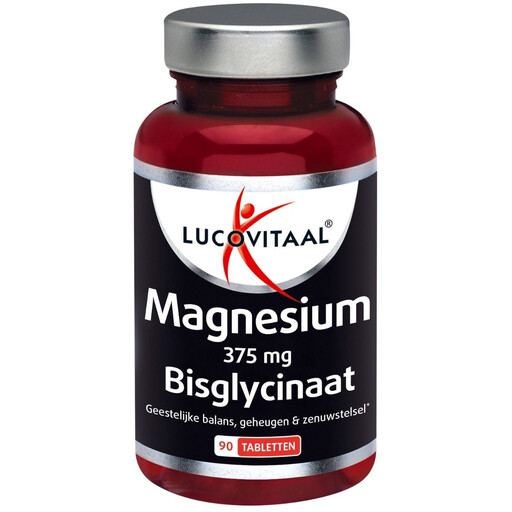
Why this fits the profile: A straightforward magnesium choice with one daily intake and 90 tablets. According to the product information, the formula is vegan.
The amount of magnesium and the daily dosage are clearly stated. You don’t need to compare a complex mix of many ingredients.
375 mg magnesium per recommended daily dose, 90 tablets and vegan according to the product information.
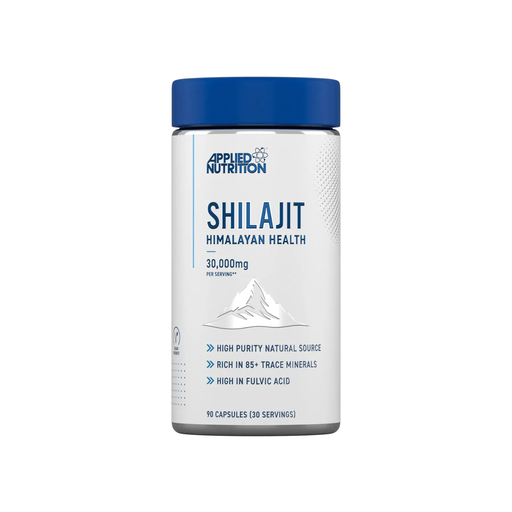
Why this fits the profile: Suitable for adults who want to check the extract ratio, standardisation and vegan capsule form.
The product description mentions a 20:1 extract, 60% fulvic and humic acids and 1,500 mg of extract per daily dose of three capsules.
Vegan capsule, halal certified according to the product information and a clearly stated daily dosage.
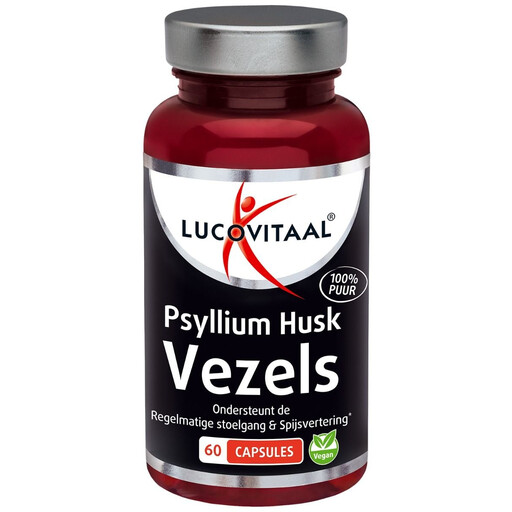
Why this fits the profile: For adults who want to add psyllium fibres specifically to their daily diet.
The recommended intake and fibre content of 2,280 mg are stated. The product information also emphasises that sufficient fluid is needed.
Vegan formula, 60 capsules and a short ingredients list with psyllium husk and a plant-based capsule.
We’ve put together a full, up-to-date list of products that fully meet these strict selection criteria and comply with current European safety regulations.
Depending on your goal, you might also look at:
That varies per product. Follow the recommended dosage and any breaks stated on the label. Lucovitaal Nightcap, for example, recommends a break of three to five days after six weeks of continuous use. With herbal extracts, berberine supplements and products containing multiple active ingredients, it’s wise to pay extra attention to warnings.
You can’t simply assume that’s fine. Check whether the same nutrients appear in multiple products, for example zinc, selenium, magnesium or vitamin B6. If you are taking medication, pregnant, breastfeeding or have a medical condition, seek advice from a doctor or pharmacist.
First calculate the price per capsule or tablet and multiply it by the daily dosage. A pot of 60 capsules might last 60 days at one capsule per day, but only 30 days at two capsules per day. That’s how you compare supplements on actual usage costs rather than just the pack price.
