
Vandaag of morgen in huis

Kwaliteit gegarandeerd

Welkomstaanbiedingen ontgrendelen: GRATIS bezorging | Tot 80% korting | Gratis 30 dagen JoyPlus-proefperiode
Download de app
Buying supplements seems straightforward – until you put the labels side by side. One product contains dozens of vitamins, while another focuses on a single mineral or a specific life stage. And a high dosage doesn’t automatically mean a supplement is right for you.
As a Joybuy Product Recommendation Officer, I always filter by verifiable information: the ingredients, the amount per daily dose, the target audience, allergens and usage warnings. That way, you avoid paying for a formula you’re already getting from another product.
A big number on the front catches your eye, but it means little without context. Always check:
For example, a product with 400 mg of magnesium might be intended as a daily dose of two tablets. Lucovitaal Magnesium Citrate states 400 mg of elemental magnesium per recommended daily dose. Lucovitaal Magnesium Bisglycinate lists 375 mg and a daily dose of two tablets. So don’t just compare the front of the pack.
A multivitamin may already contain vitamin D, zinc, magnesium, calcium or vitamin B6. If you add a magnesium supplement, zinc tablets or a calcium product on top, you could unintentionally be stacking the same nutrients.
So start by making a list of what you’re already taking. Also look out for products with a targeted formula, such as testosterone support, a libido supplement or menopause supplements. These sometimes also contain zinc, vitamin D or B vitamins.
Claims about energy, hair, sleep, immunity or hormonal balance shouldn’t be taken at face value without checking the ingredients and the permitted European nutrition and health claims. According to brands’ own product information, herbs such as maca, sage, tribulus or ashwagandha may offer certain support, but that’s no guarantee of a personal result.
For example, Ymea Menopause 8-In-1 explicitly states that certain health claims for sage, maca, cayenne and artichoke have not yet been approved in Europe. So look at the full composition and safety information, not just the slogan on the pack.
First, choose your goal:
Then check whether the formula suits your diet. Omega 3 capsules often contain fish and therefore aren’t vegan. Glucosamine chondroitin MSM may contain shellfish and soya. A vegan vitamin or mineral product usually has a different capsule or tablet base.
A pot of 120 tablets sounds generous, but how long it lasts depends on the dosage. The Lucovitaal Multivitamin for Men MAXI Jar contains 120 tablets and, according to the product information, is taken once a day. The Lucovitaal Multivitamin for Women MAXI Jar also lists 120 tablets and one tablet per day.
With gummies, the dosage is often different. Lucovitaal Hair Vitamin Gummies uses two gummies per day. The Multi+ Vitamins Gummies for Kids is intended for children aged five and over and lists one gummy per day. Keep the packaging out of reach of children, even when the gummies have a sweet-like taste.
Check before you buy:
For example, a melatonin supplement is not intended for people under 18 in the case of the smartsleep product mentioned. According to the product information, one capsule contains 1 mg of melatonin and you should not drive or operate machinery after taking it. If you are pregnant, breastfeeding or taking medication, it’s wise to consult a doctor or pharmacist.
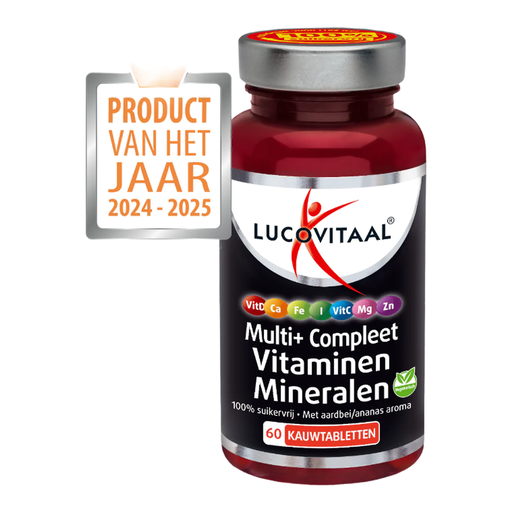
Why this suits the profile: According to the product information, the chewable tablets are suitable for children from 3 years and adults. This makes the formula practical for households that don’t want to use capsules.
The composition and daily dosage are on the label. Do note the mention of iodine, sweeteners and the age limit.
Combination of vitamins and minerals; chewable form; according to the description, no artificial colours or flavours.
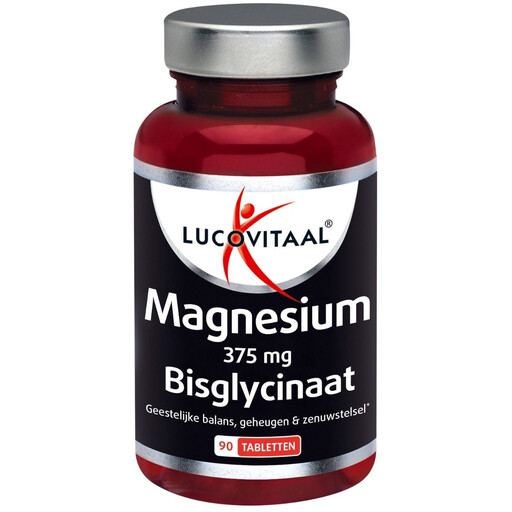
Why this suits the profile: Suitable for adults and seniors who are specifically looking at the form and amount of magnesium. The product information lists 375 mg bisglycinate and a vegan formula.
The form, content and daily dosage are clearly specified. The description also notes that a laxative effect may occur.
Vegan; 90 tablets; one clearly named mineral without a long mix of extra ingredients.
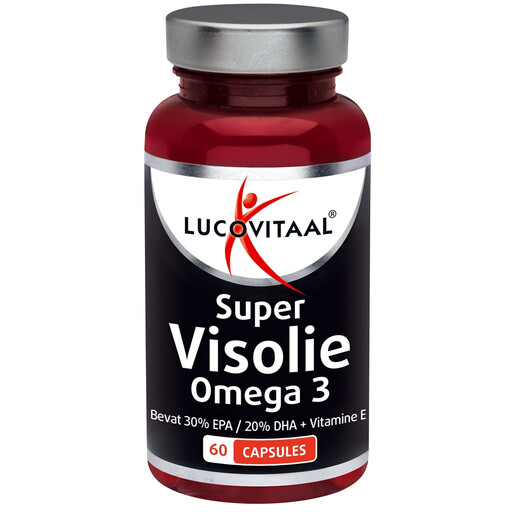
Why this suits the profile: For adults who want to compare omega 3 capsules on EPA and DHA content. The stated daily dose is two capsules.
The label separately lists 600 mg EPA and 400 mg DHA per daily dose. This lets you compare the relevant fatty acids, not just “fish oil” as a total figure.
60 capsules; contains EPA, DHA, omega 6 and vitamin E; no added sugars according to the product description.
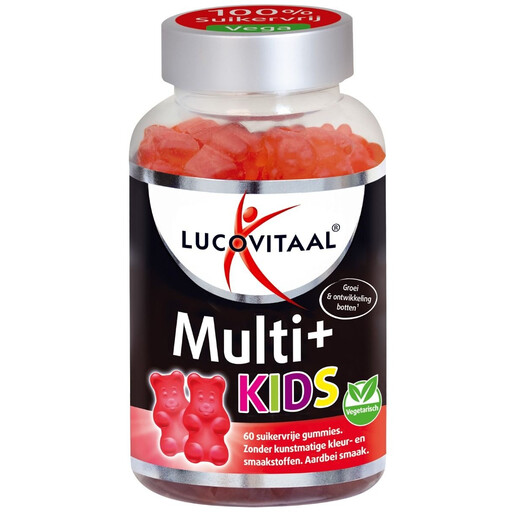
Why this suits the profile: According to the product information, the gummies are intended for children from 5 years and contain, among others, vitamin C, D3, B12 and biotin.
The age limit and one gummy per day are clearly stated. According to the description, excessive use may have a laxative effect.
60 gummies; strawberry flavour; vegetarian formula according to the product details.
We’ve put together a full, up-to-date list of products that fully meet these strict selection criteria and comply with current European safety regulations.
It varies by product and purpose. Follow the recommended dosage and check the shelf life after opening. If you’re taking high doses for a long time, multiple supplements at once, or if you’re pregnant, breastfeeding or taking medication, it’s wise to consult a doctor or pharmacist.
A varied diet remains the foundation. A multivitamin can be a practical addition when you want to top up specific nutrients, but it doesn’t replace normal food. First, look at which nutrients you actually need and avoid overlap with individual vitamins or minerals.
Compare the price per daily dose, not just the price per pack. For example, a pot of 60 gummies might last 30 days if you take two gummies a day. Tablets or capsules may have a longer usage period, but chewable tablets and gummies are easier for some people to take.
