
Vandaag of morgen in huis

Kwaliteit gegarandeerd

Welkomstaanbiedingen ontgrendelen: GRATIS bezorging | Tot 80% korting | Gratis 30 dagen JoyPlus-proefperiode
Download de app
Anyone who exercises regularly or simply wants to eat more protein will soon come across a wide range of protein supplements. From whey protein and protein powder to protein bars, clear whey and ready-to-drink protein drinks, the differences are about more than just flavour and packaging.
Making the right choice does not start with the most eye-catching claim on the front of the pack. It starts with the nutritional values, ingredients and when you plan to use the product. Below, you’ll find what to look out for and which products may suit different situations.
A packet may say, for example, “25 grams of protein”. Always check which serving size this refers to. A large 74-gram bar containing 25 grams of protein has a different ratio from a powder containing 25 grams of protein in a serving of around 31 grams.
So, compare:
This allows you to compare protein powder, high-protein snacks and bars fairly.
Some protein bars contain little sugar but may still contain polyols, fats or a relatively high energy value. Polyols such as maltitol can have a laxative effect when consumed in excess. Also check whether “no added sugars” matches your goal: the product may still contain naturally occurring sugars.
For a protein drink or clear whey, it is also important to check the sweeteners, acids and total amount of protein per bottle or scoop.
Whey protein comes from milk, so it is not suitable for a vegan diet. A product containing lactase is not automatically lactose-free or suitable for people with a milk allergy. Always check the allergens listed on the current packaging.
For vegans, soya protein and other vegan protein powders are relevant options. If you want to avoid both dairy and soya, beef protein may be worth considering, but you should still check the ingredients list and claims.
Whey protein usually consists of whey concentrate, whey isolate or a combination of the two. According to the product specification, an isolate often contains a high proportion of protein and little fat or sugar. A blend can combine several types of whey and is practical for everyday use.
Plant-based options, such as soya protein, are suitable for people who do not consume dairy. Pay attention to the source, protein percentage and any added flavourings. Collagen powder is a different type of product from standard protein powder, so do not compare it directly with whey or soya if your specific goal is to increase your daily protein intake.
A useful overview should include at least:
For example, a shake with 25 grams of protein may provide around 100 to 120 kcal, depending on its composition. A protein bar with a similar amount of protein may contain considerably more calories due to chocolate, nuts, fats and fibre.
Check for milk, soya, peanuts, nuts, gluten-containing cereals and eggs. You should also check the selected flavour and packaging, even when a product is labelled “gluten-free” or “soya-free”.
Finally, consider when you plan to use it:
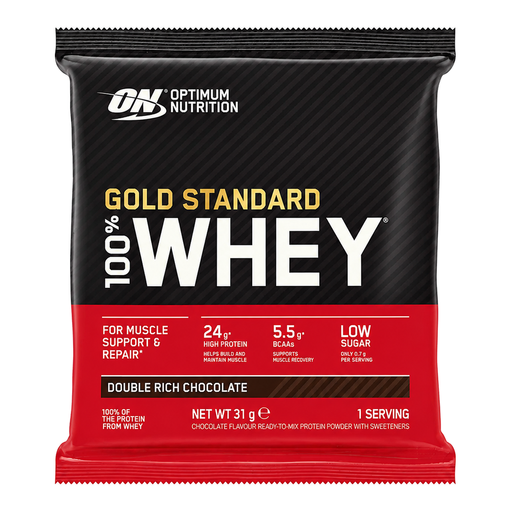
Why it suits this profile: A sachet is a practical way to try a flavour and see how it fits into your routine without immediately buying a large pack. The product information states that it contains around 24 grams of protein per serving.
The serving size and nutritional values are clearly stated, so you are not tied to a large tub straight away.
Whey blend with isolate, concentrate and hydrolysed whey; suitable for mixing with water or milk.

Why it suits this profile: According to the product specification, this pack contains 31 servings with 25 grams of protein per serving, plus less than 1 gram of carbohydrates.
You can assess the protein content and serving size directly alongside the low sugar and fat content.
Whey isolate as the protein source; 930 grams of product and a vanilla flavour for regular use.
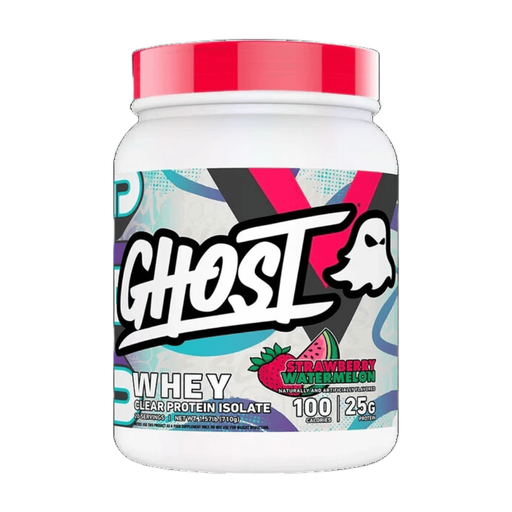
Why it suits this profile: Clear whey is designed for people who prefer a light, clear protein drink rather than a creamy shake. The pack states that it contains 20 servings with 25 grams of protein.
The nutritional information states 100 kcal and 0 grams of sugar per serving. Always check the current ingredients list.
Whey isolate, 25 grams of protein per serving and, according to the product specification, free from soya and gluten; the product does contain milk.
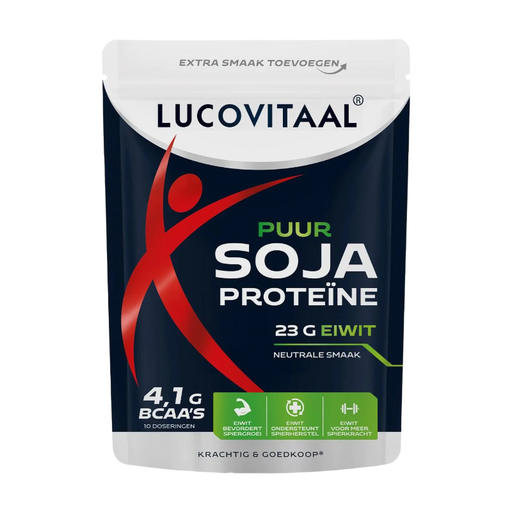
Why it suits this profile: According to the product information, this product consists of 100% soya protein isolate and provides 23 grams of protein per 25-gram serving.
The short ingredients list makes it clear that no added flavourings, colourings or sugar are listed.
Vegan and lactose-free according to the product description; neutral flavour for shakes, smoothies and baking recipes. It does contain soya.
We have put together a complete, up-to-date list of products that fully meet these strict selection criteria and the applicable European safety regulations.
Mix the recommended amount with water, milk or a plant-based drink. The exact amount of liquid varies from product to product. You can also add protein powder to porridge, yoghurt, smoothies or baking recipes. Follow the dosage instructions on the label and use supplements to complement a varied diet.
They can be, but compare the protein, calories, fat, sugar and polyols first. A bar is particularly convenient when you’re out and about or between meals. It is not a complete replacement for a varied diet. If you have allergies, always check the current allergen information.
Both can be whey-based, but their texture and preparation differ. A traditional whey shake is generally creamier. Clear whey is mixed with more water and, according to the product description, has a lighter, clearer drink texture. The nutritional value varies by brand and flavour, so check the label for the values per serving.
