
Vandaag of morgen in huis

Kwaliteit gegarandeerd

Welkomstaanbiedingen ontgrendelen: GRATIS bezorging | Tot 80% korting | Gratis 30 dagen JoyPlus-proefperiode
Download de app
At first glance, a protein bar seems simple: pick a chocolate flavour, check the protein content and order a multipack. Yet high-protein bars vary significantly in their composition, size and ease of use. A bar labelled "high protein" on the front can, for example, contain relatively high amounts of sugar, polyols or saturated fat.
As a Joybuy Product Recommendation Officer, I filter product information based on practical points. This helps you see more quickly which protein bars suit your eating occasion, budget and dietary preferences.
Not every snack with "chocolate" or "energy" in its name is suitable as a high-protein snack. The Milka White Chocolate Energy Bar, for instance, lists 4.2 grams of protein per 100 grams and 65 grams of sugar per 100 grams. Similarly, Johnny Cashews Coated in Creamy Milk Chocolate with Honey and Sea Salt contains 9.3 grams of protein and 44.8 grams of sugar per 100 grams, according to the product information.
That doesn't make these products unsuitable as a treat, but nutritionally they fall into a different category from protein bars. So always check the nutritional information table, not just the front of the packaging.
Many sports bars use sweeteners such as maltitol, erythritol, sucralose or other polyols. This can mean the sugar content is low, while the total carbohydrate content is higher. Some products also carry a warning that excessive consumption may have a laxative effect.
So look beyond sugars to also check polyols, total carbohydrates and the recommended serving size. This is especially important if you eat several bars a day.
A bar weighing 50 or 55 grams naturally contains less protein than the figure per 100 grams on the label might suggest. A product with 50 grams of protein per 100 grams will deliver around 25 grams of protein in a 50-gram bar, provided the nutritional values are correctly stated on that basis.
So always compare the same unit: per bar, per serving or per 100 grams. Also pay attention to the number of bars in the pack. A multipack of protein bars can work out cheaper per bar, but only if you actually like the taste and composition.
Don't just check the number of grams of protein, but also the protein sources used. Many protein bars contain milk protein, whey, soya protein, collagen hydrolysate or a combination of these. This matters if you have allergies, intolerances or personal dietary choices.
As a guideline for comparison, you can look at:
The XXL Nutrition High Protein Bar Chocolate (50 grams), for example, states 25 grams of protein per bar and 0.7 grams of sugar per bar in the product description. The nutritional information table shows 50 grams of protein per 100 grams. Always check the actual label upon delivery.
If you're looking for low-sugar protein bars, it's a good idea to compare three lines on the label side by side:
A lower sugar content can go hand in hand with a higher polyol content. For the Fulfil Chocolate Salted Caramel Flavour Vitamin & Protein Bar, the figures per 100 grams are 3.1 grams of sugar, 23 grams of polyols and 6.2 grams of fibre. The pack contains one 55-gram bar.
A protein bar for on the go needs to be practically packaged and not too large or too crumbly. Individually wrapped bars are handy for work, train journeys and gym bags. A multipack is suitable if you use a bar regularly and check the best-before date in advance.
Also read the allergen information. Many varieties contain milk and soya. Some also contain peanuts, nuts, gluten or almond. The ingredients and warnings on the packaging are what you should follow.
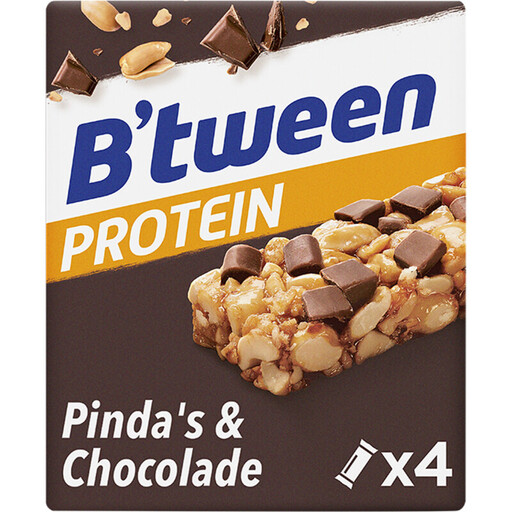
Why this fits the profile: The pack contains four individually wrapped bars. That's a manageable option if you want to try protein bars occasionally or take them to work.
The product information clearly states the protein content and that it contains more than 50% peanuts. This positions the bar distinctly differently from an ordinary chocolate bar.
17 grams of protein per 100 grams according to the product data, individually wrapped and available in a small pack.

Why this fits the profile: This compact chocolate bar is designed for shoppers who want to compare protein and sugar content side by side.
The product description states 25 grams of protein and 0.7 grams of sugar per 50-gram bar. This lets you directly link the claim to a specific size.
50 grams of protein per 100 grams according to the table, 50 grams product weight and chocolate flavour.
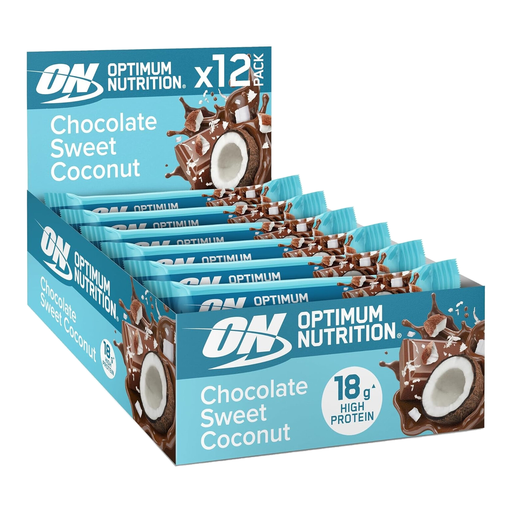
Why this fits the profile: The multipack of twelve 59-gram bars is suitable if you regularly use a protein bar on the go, between meals or after exercise.
The number of bars and the weight per bar are clearly stated. This lets you estimate your stock and cost per serving in advance.
18 grams of protein per bar according to the product information, twelve individually usable bars and a chocolate-coconut flavour.
We've put together a full, up-to-date list of products that fully meet these strict selection criteria and comply with current European safety regulations.
That depends on your overall diet and when you eat. A bar can be handy when you can't have a full meal straight away. In particular, check the protein content per bar, the energy content and any sweeteners. A protein bar is not a substitute for a varied diet.
Store the bars according to the label, usually in a dry place at room temperature, away from direct sunlight, heat and moisture. Don't leave a pack in a hot car for a long time. Check the best-before date before use and don't buy a product with damaged packaging.
"Low sugar" only tells you about the sugar content. It doesn't automatically tell you about calories, fat, polyols or the overall composition. So compare the full nutritional information table and ingredients list. That way you can choose a healthy snack that better matches your own preferences and when you'll be eating it.
