
Vandaag of morgen in huis

Kwaliteit gegarandeerd

Welkomstaanbiedingen ontgrendelen: GRATIS bezorging | Tot 80% korting | Gratis 30 dagen JoyPlus-proefperiode
Download de app
Buying a multipack of energy drinks might seem straightforward, until you have to choose between an energy drink, a sugar-free version, a malt drink or an electrolyte product. Marketing often focuses on flavour, vitamins or a “boost”, while the important differences are on the label. Think about sugar per 100 ml, caffeine content, can size and deposit.
When making your choice, watch out for three common pitfalls:
Don’t just look at “zero” or “light” on the front. The nutritional information table per 100 ml gives you an objective comparison.
A regular Red Bull Energy Drink states 11 g sugar per 100 ml. In a 250 ml can, that works out at 27.5 g of sugar. Slammers Energy Refreshing Power Drink states 11.4 g sugar per 100 ml. Carabao states 14 g sugar per 100 ml. These drinks therefore fit a different choice from a sugar-free energy drink.
Sugar-free versions use sweeteners. Red Bull Sugar-Free, for example, lists sucralose and acesulfame-K. Slammers Sugar-Free lists E950, E951 and E952 among others. Check the ingredients if you want to avoid certain sweeteners. If you’re looking for an energy drink without sugar, you can also look at calories and carbohydrates; “sugar-free” doesn’t always mean that every ingredient or every nutritional value is zero.
In Europe, caffeine is usually listed in milligrams per 100 ml. Many variants in this range are around 30 to 32 mg caffeine per 100 ml. A 500 ml can therefore contains significantly more caffeine than a 250 ml can, even if the brand and flavour are similar.
Drinks with a high caffeine content must carry a warning that they are not recommended for children, pregnant women or women who are breastfeeding. People who are sensitive to caffeine should also follow the instructions on the packaging. Don’t thoughtlessly combine energy drinks with other caffeinated products, and don’t use them as a substitute for water.
An energy drink 24 x 250 ml is practical if you want to take smaller portions to work, study or on the go. An energy drink 12 x 500 ml is more convenient if you prefer a larger can, but each can often contains more caffeine and liquid.
Store unopened cans in a cool place out of direct sunlight. Once opened, the drink should be refrigerated and used within the time stated on the packaging. When ordering online, also check the best-before information, the number of cans and any deposit. For Monster Energy Ultra Rosa, for example, a €1.80 deposit for the packaging is stated in the product information.
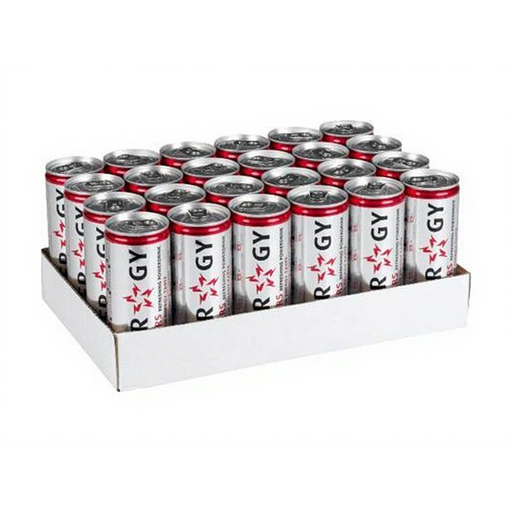
Why this fits the profile: The 24-pack with 250 ml cans is straightforward for home, the office or on the go. The product information states 11.4 g sugar and 0.032% caffeine per 100 ml.
The volume, serving size and nutritional values are clearly specified. This means you can check the price per can and per litre rather than just relying on the front of the pack.
24 x 250 ml, taurine and B vitamins according to the label, with sugar as a carbohydrate source.
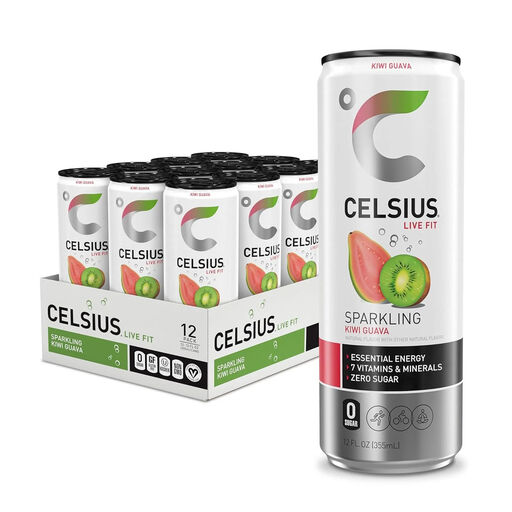
Why this fits the profile: This variant combines a fruity kiwi and guava flavour with 0 g sugar and 3 kcal per 100 ml according to the stated nutritional values.
The sugar-free claim is backed up by the nutritional information table. Do check the sweeteners and caffeine content before ordering.
12 x 250 ml, 0 g sugar, 0 g fat and none of the 14 major EU allergens according to the product information.
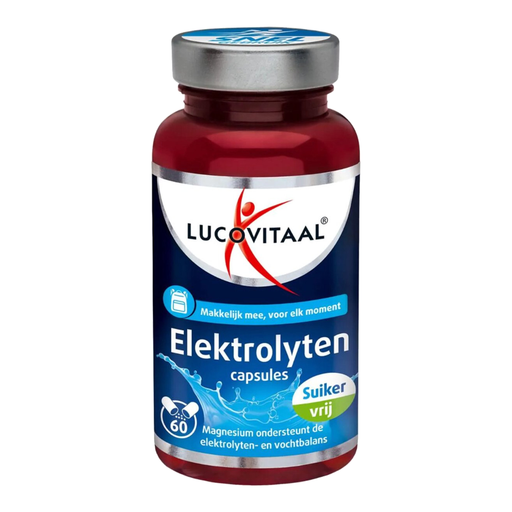
Why this fits the profile: For adults and seniors who aren’t looking for a caffeinated drink but want a compact product for daily use according to the stated dosage.
The product is not presented as an energy drink. The dosage and composition are listed separately: including 125 mg sodium, 300 mg potassium and 56.25 mg magnesium per stated nutritional information.
60 capsules, sugar-free, vegan according to the product information and free from fragrances, colourings or flavourings.
We’ve put together a full, up-to-date list of products that fully meet these strict selection criteria and comply with current European safety regulations.
Not every caffeinated or sweet drink is the same. Monster Energy, including Ultra Rosa, Ultra Fiesta, Ultra White, Ultra Peachy Keen and Ultra Gold, is listed as sugar-free or without sugar in the product information, but it does contain caffeine. The 500 ml cans are suitable if you’re looking for a larger size.
A malt drink such as Supermalt Original or Maltina is an alcohol-free malt variant with a different composition to a classic energy drink. Supermalt lists barley malt and therefore contains barley. That’s relevant for people who avoid gluten-containing grains. Again, check the sugar, carbohydrates and allergens.
If you’re mainly looking for a small portion with a specific flavour, you might consider Youngjin Guronsan. The 150 ml variant contains sugar and sweeteners according to the product information. That makes it an illogical choice for someone specifically looking for a sugar-free energy drink.
Not automatically. The strength per 100 ml can be the same, but a larger can does contain more total caffeine and liquid. So compare both the value per 100 ml and the total volume per can.
Add up the volume of all the cans and divide the product price by the number of litres. A pack of 24 x 250 ml and a pack of 12 x 500 ml both contain 6 litres. Factor in the deposit separately if it’s included in the price.
Store unopened cans in a cool, dry place out of direct sunlight. Once opened, put the can in the fridge and follow the time stated on the packaging. When you receive your order, also check that the packaging is undamaged and that the best-before information matches the product page.
