
Vandaag of morgen in huis

Kwaliteit gegarandeerd

Welkomstaanbiedingen ontgrendelen: GRATIS bezorging | Tot 80% korting | Gratis 30 dagen JoyPlus-proefperiode
Download de app
Buying drinks online is convenient when you are preparing a barbecue, drinks party, brunch or celebration. You will find not only beer and soft drinks, but also fruit beer, sangria, sparkling wine, alcohol-free wine, soju, Thai beers, malt drinks and ready-to-drink cocktails.
However, an eye-catching label does not always tell you enough. If you only pay attention to the flavour name, packaging or discount, you could order a product that is unsuitable for the occasion, your guests or your own preferences. Use the following checkpoints to compare products based on information that should actually appear on the packaging or product page.
Peach, lime, mango or strawberry may sound approachable, but a fruity alcoholic drink can still have a significant alcohol content. So always check the alcohol percentage. With ready-to-drink cocktails, soju and sangria, the percentage can also vary considerably.
For example, a Breezer with 4% alcohol is not the same type of product as a 7DROPS Soju with 12% or a sangria with 7,5%. The flavour name is therefore not a reliable indication of strength.
A multipack may seem practical, but the total volume and the amount per bottle determine how much drink you actually receive. So compare millilitres per pack, rather than just the number of cans or bottles.
For example, a pack with four 250 ml bottles contains 1 litre. A 1,5-litre bottle of sangria is more convenient when you want to serve several glasses, but less suitable if you only need a few portions.
Beer and malt drinks often contain barley or other gluten-containing grains. Fruit beer may also contain sugars, sweeteners and flavourings. Sangria generally contains sulphites. This information is relevant to your purchase and should be checked before ordering.
Also pay attention to the storage instructions. Many products need to be kept cool and out of direct sunlight. Refrigeration may be required after opening, and the drink should be used within the period stated on the packaging.
First, check the alcohol by volume, shown as % vol. Then distinguish between:
You should not automatically equate a product labelled “non-alcoholic” or “alcohol-free” with a guaranteed alcohol content of 0,0%. Always check the product listing and the label.
The right volume depends on how you intend to use it. Individual 275 or 330 ml bottles are practical for a drinks party where everyone chooses their own bottle. A 750 ml bottle is better suited to brunch or sharing. A 1,5-litre format is useful for a group, for example when serving sangria with ice and fruit.
Also check whether the product should be served chilled, whether it can be resealed after opening and whether the packaging is made of glass or comes in a can. These practical differences affect transport, storage and serving.
Check the ingredients list for, among other things:
Nutritional values are particularly useful for comparing products within the same category. Do not use them as a health claim: a lower calorie count does not automatically make an alcoholic drink suitable for every situation.
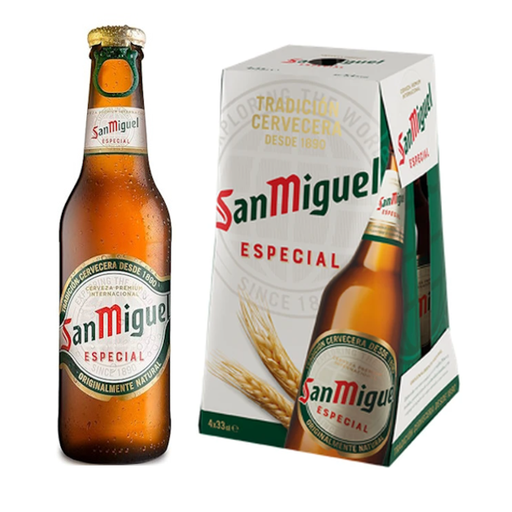
Why it suits this profile: The four 33 cl bottles are easy to share at a drinks party or barbecue. The alcohol content of 5,4% is clearly stated.
This is not a flavoured drink where the alcohol percentage is unclear. The volume per bottle and pack size are clearly stated.
4 x 33 cl; 5,4% alcohol; golden lager with a lightly bitter flavour according to the product description.
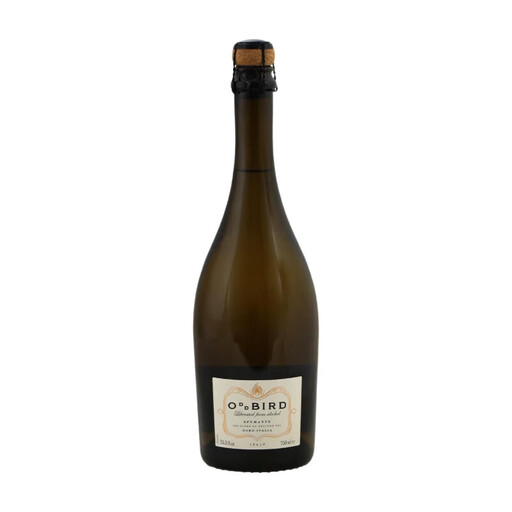
Why it suits this profile: This sparkling, alcohol-free drink is designed for celebratory occasions without serving conventional alcoholic wine.
The product information explicitly states that this is an alcohol-free sparkling wine. Nevertheless, always check the current label before buying.
750 ml; sparkling; according to the product information, free from the 14 main EU allergens.
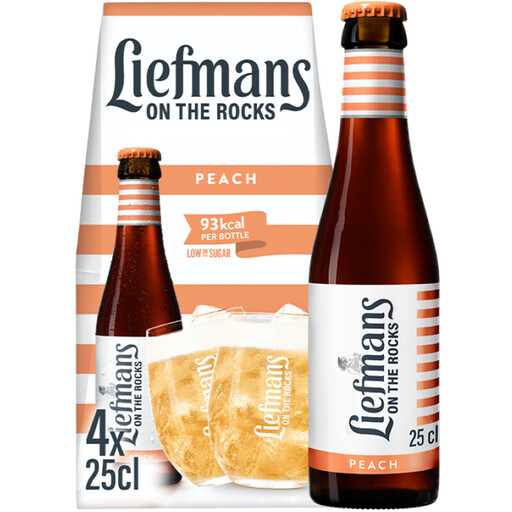
Why it suits this profile: The portions are ideal for a drinks party where fruit beer is served chilled and over ice.
The packaging states 4 x 250 ml, and the ingredients list includes barley, wheat, peach, sugars and sweetener.
Fruit beer with peach, apricot, lime and pineapple according to the product description; 4 x 250 ml; serve with ice.
We have compiled a complete, up-to-date list of products that fully meet these strict selection criteria and the applicable European safety regulations.
For a barbecue, lagers, Thai beers such as Leo or Singha and chilled fruit beer pair well with grilled dishes and spicy meals. For brunch, you could consider sparkling wine, a Mimosa or an alcohol-free sparkling alternative. At a party, ready-to-drink cocktails and Breezer bottles are easy to serve in individual portions.
If you want to try international drinks, origin is another factor to consider. Soju from Korea, Thai beers and malt drinks such as Supermalt Original or Malta Guinness offer a different flavour profile from standard soft drinks. With malt drinks, do check the ingredients, as barley may be present as an allergen.
It varies depending on the product, packaging, delivery costs and any promotion. So compare the price per litre, rather than just the total price. With multipacks, it is also useful to calculate the price per bottle or can. Check the delivery terms before ordering as well.
Store unopened bottles and cans according to the label, usually somewhere cool and dry and out of direct sunlight. Avoid significant temperature fluctuations. After opening, a product often needs to be refrigerated and consumed within the stated period. Always check the seal and packaging before use.
In the Netherlands, alcoholic drinks are intended for consumers aged 18 and over. When alcohol is sold online, an age check may take place during ordering or delivery. Only order alcohol if you meet the legal age requirement, and drink responsibly. Alcohol consumption is not recommended for pregnant people.
