
Vandaag of morgen in huis

Kwaliteit gegarandeerd

Welkomstaanbiedingen ontgrendelen: GRATIS bezorging | Tot 80% korting | Gratis 30 dagen JoyPlus-proefperiode
Download de app
A bag of dog or cat food may seem like a quick choice: select the animal type, flavour and pack size, and you’re done. Yet Dutch pet owners regularly pay for features that do not suit their pet’s age, activity level or body condition. Words such as “premium”, “natural” and “grain-free” can distract from the information that really matters.
As a Joybuy Product Recommendation Officer, I therefore filter the most important buying criteria: what does the label say, which animals is the food intended for, and is it complete or complementary food? This makes it much easier to compare dry food, wet food and treats with confidence.
The term premium dog food says very little by itself about whether it is suitable for your dog. Start by checking the intended audience. A puppy has different nutritional needs from a senior dog. Dog food for small breeds also often differs from food for medium and large breeds in kibble size and nutritional density.
The same applies to cats. Cat food for adult cats is not automatically suitable for a neutered cat, an indoor cat or an animal with a sensitive digestive system.
“With chicken”, “with lamb” or “with fish” does not always mean that most of the product consists of that ingredient. Check the percentage in the ingredients list. Purina One Sterilcat, for example, states 16% beef, while the composition also includes dried poultry proteins, wheat and maize.
Pedigree Dentastix for small dogs is a chicken-flavoured treat. According to the product information, it is not a complete meal but complementary food. Give this type of product alongside your pet’s usual food and adjust the main meal where necessary.
Claims about the urinary tract, digestion, joints or dental care can help you compare products, but they are not a diagnosis or treatment. According to Purina’s own research, certain formulas, for example, support the urinary tract, microbiome or weight management. This is brand information and is not a guarantee for every animal.
If symptoms persist, your pet experiences sudden weight changes, drinks very little or has problems urinating, it is sensible to consult a vet.
Pay attention to the combination of:
Eukanuba Life Care Dog Mature Small Chicken, for example, is intended for small adult dogs aged approximately 8 to 11 years. According to the product description, the senior version is aimed at small dogs aged 11 and over. This makes the age indication more important than the flavour alone.
A product labelled complete pet food is intended as a daily food when given according to the instructions on the packaging. Complementary pet food is supplementary and should not simply replace the main meal.
This distinction is especially important with wet cat food and treats. Purina One Hydralife Adult Cat Complementary Wet Food Chicken Flavor, for example, is intended as complementary food. Purina One Sensitive Adult Wet Cat Food Chicken Flavor, on the other hand, is described as complete food for adult cats.
Do not compare only the ingredients. Also check:
Grain-free dog food is not automatically necessary. It may be a preference or suit a specific dietary choice, but always check the full composition. If you suspect a food intolerance, professional advice is more appropriate than repeatedly changing your pet’s food yourself.
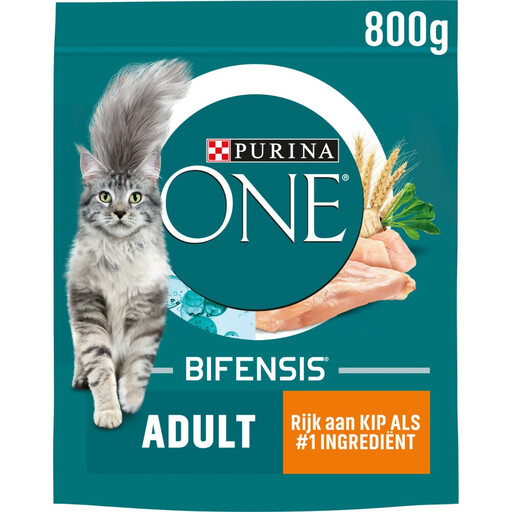
Why it suits this profile: A manageable pack size for anyone wanting to try adult cat food without ordering a large quantity straight away.
The product information clearly states the intended audience: adult cats from one year old, with chicken and whole grains.
Complete food; 34% crude protein and a daily feeding chart for different weight categories.
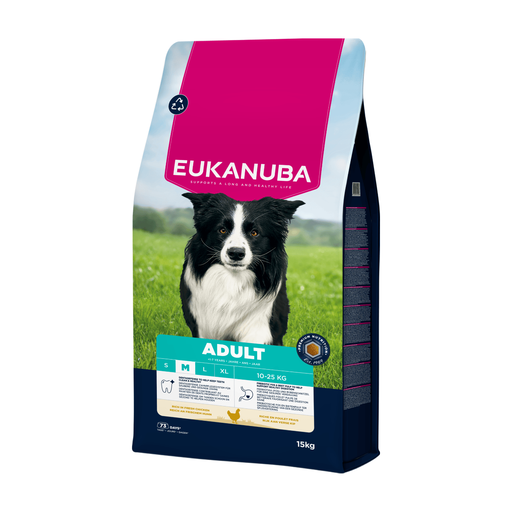
Why it suits this profile: Designed for owners of a medium-sized adult dog looking for a large supply of dry dog food.
The target group is clearly defined: adult dogs of medium-sized breeds aged from 1 to 7 years. Check your dog’s size before ordering.
15 kg pack; chicken as the stated protein source; FOS, beet pulp, omega 3 and omega 6 are listed in the product description.
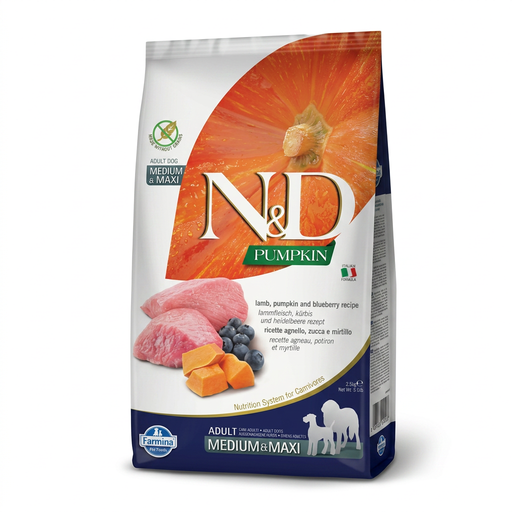
Why it suits this profile: For owners looking for grain-free dog food with lamb for adult dogs of medium or large breeds.
The ingredients list names fresh and dehydrated lamb components and explicitly states that the recipe contains no grains.
22% lamb and 20% dehydrated lamb according to the product specifications; added pumpkin, glucosamine and chondroitin sulphate.
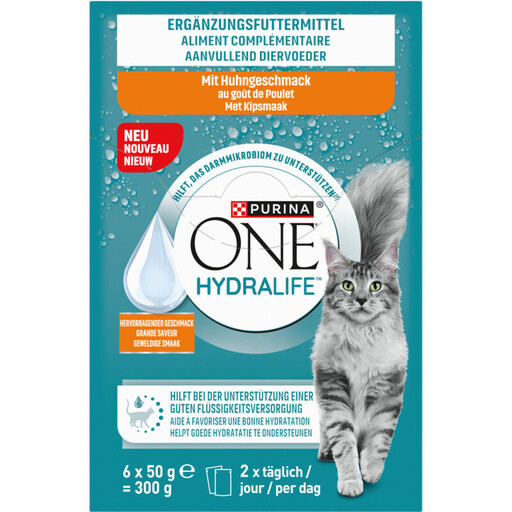
Why it suits this profile: A practical addition for adult cats whose fluid intake you want to increase through wet food.
The product page clearly states that this is complementary food. Do not use it as a replacement for complete cat food.
Chicken-flavoured wet food; according to the product description, intended to support fluid intake and be given as a supplement.
We have put together a complete, up-to-date list of products that fully meet these strict selection criteria and the applicable European safety regulations.
Dry dog food is generally easy to store and simple to weigh out. Wet cat food contains plenty of moisture and may be appealing to cats that do not drink much. Always check whether the product is complete or complementary food. Combining both can be practical, provided the total daily amount and nutritional value remain balanced.
Mix the new food gradually with the old one, usually over around seven days. Start with a small amount of the new food and increase it step by step. Keep an eye on your pet’s stools, appetite and body condition. If clear or persistent problems occur, it is best to stop the food and ask a vet for advice.
Store dog and cat food in a cool, dry place and keep it tightly sealed. The exact shelf life after opening varies by product and is stated on the packaging. Wet food generally needs to be used sooner after opening than dry food. Also check the stated storage conditions, and always use the date and batch information shown on the label.
