
Vandaag of morgen in huis

Kwaliteit gegarandeerd

Welkomstaanbiedingen ontgrendelen: GRATIS bezorging | Tot 80% korting | Gratis 30 dagen JoyPlus-proefperiode
Download de app
Breakfast cereals might seem simple to choose, but the packaging doesn’t always tell the full story. A bold claim like “high in fibre”, “protein” or “no added sugar” can catch your eye, but it says very little without checking the nutrition table and ingredients list alongside it.
The most common pitfalls when buying breakfast cereals are:
Use the values per 100g to fairly compare granola, muesli, cruesli and wholegrain breakfast cereals. Pay particular attention to:
For comparison: Quaker Cruesli Chocolate states per 100g: 455 kcal, 16g sugars, 10g fibre and 8.1g protein. Weetabix Original states 362 kcal, 4.2g sugars, 10g fibre and 12g protein per 100g. The product form and taste differ, but the table shows why comparing per 100g is more practical than just looking at the serving size on the packet.
With wholegrain breakfast cereals, you want to know which grain forms the base. According to the product information, Weetabix Original is 95% wholegrain wheat. Quaker Cruesli Chocolate lists 37% wholegrain oats and 9.6% wholegrain wheat, combined with dark chocolate, oil and sugar, among other ingredients.
With sugar-free granola or protein granola, “0% added sugar” does not automatically mean there are no sweet-tasting ingredients or carbohydrates present. Holie's Crunchy Muesli Chocolate Chunks, for example, states 2.1g sugars per 100g and uses chicory root fibre, oats and cocoa mass, among other ingredients.
For every product, check the allergens on the label. Many breakfast cereals contain wheat, oats, barley, soya, milk, peanuts or nuts. “Gluten-free granola” is only suitable for your situation if the full product information and packaging support this. In the product information provided, for example, Holie's Granola Glutenfree Peanut Chocolate states that it contains gluten-free oat flakes, but also peanuts and possible traces of nuts and soya.
Also pay attention to the net weight:
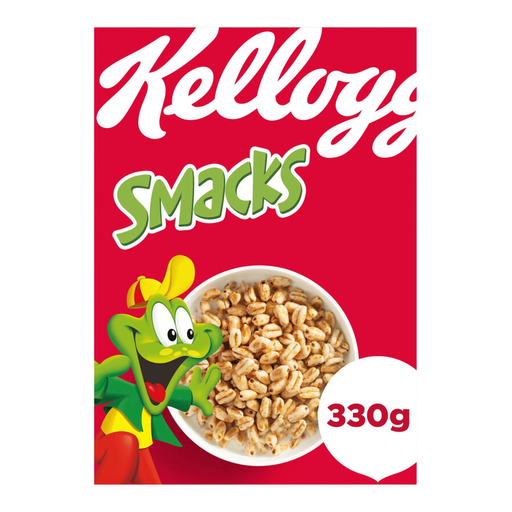
Why this fits the profile: A familiar choice in a compact pack for anyone wanting to try a sweet breakfast cereal first.
The product information clearly states 58% wheat and 34g sugars per 100g. This allows you to assess the sweet taste without overlooking the nutritional values.
330g, puffed wheat and added vitamins and iron according to the product description. Contains gluten and wheat.
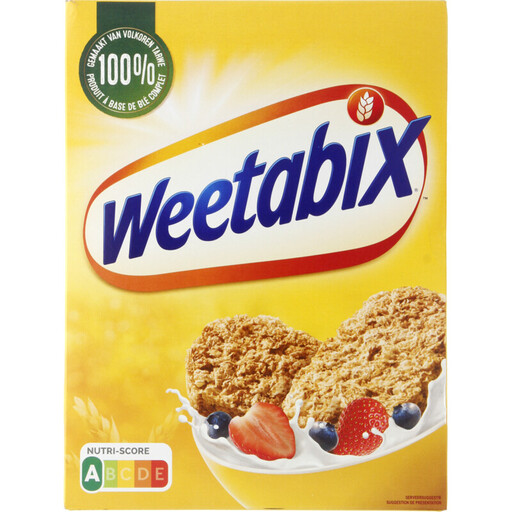
Why this fits the profile: Suits anyone who wants a simple wholegrain breakfast to put together with milk, yoghurt, fruit or honey.
The product information mentions 95% wholegrain cereals and 4.2g sugars per 100g. The composition can therefore be checked quickly.
430g, 10g fibre and 12g protein per 100g according to the product table. Contains wheat and barley.
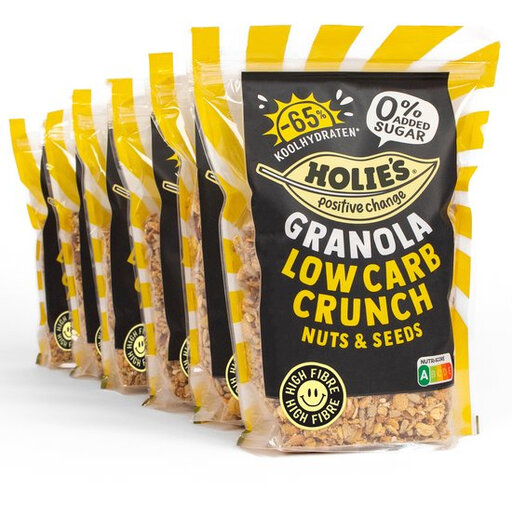
Why this fits the profile: Aimed at shoppers who want to compare carbohydrates, protein and fibre per 100g side by side and use multiple packs.
According to the brand’s product information, the claim about fewer carbohydrates is a comparison with regular crunchy granola. So check the actual value: 18g carbohydrates per 100g.
22g protein, 16g fibre and 3.2g sugars per 100g. Multipack of 6 x 350g; contains soya, almond, spelt, oats, barley and peanut, among others.
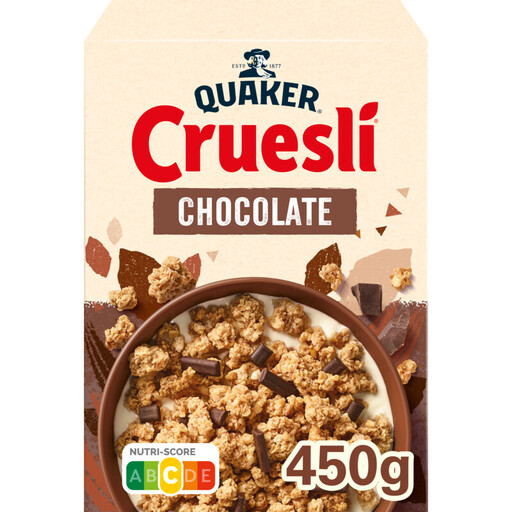
Why this fits the profile: A crunchy cruesli with dark chocolate for anyone who values taste and texture at breakfast.
The packaging may look appealing because of the chocolate, but the table also states 16g sugars and 19g fat per 100g. This keeps the choice based on more than just taste.
450g, 10g fibre and 95% wholegrain according to the product information. Contains oats, wheat, soya and may contain milk and nuts.
We’ve put together a full, up-to-date list of products that fully meet these strict selection criteria and comply with current European safety regulations.
That depends on your overall diet, portion size and product choice. Compare the amount of sugars, fibre, protein, fat and salt per 100g. You can combine granola or muesli with yoghurt, milk and fruit, or choose porridge if you prefer to add your own ingredients.
Muesli usually consists of flakes, seeds, nuts and dried fruit without the same crunchy texture as granola. Granola is typically baked or toasted and is therefore crunchy. Cruesli is a brand name and is used for a crunchy muesli mix. The exact composition varies by flavour, so always look at the ingredients list.
Store the pack in a cool, dry place, away from direct sunlight and moisture. Seal the bag well or use an airtight storage container. Check the best-before information on the packaging. This keeps crunchy breakfast cereals, granola and muesli pleasant in texture for longer.
