
Vandaag of morgen in huis

Kwaliteit gegarandeerd

Welkomstaanbiedingen ontgrendelen: GRATIS bezorging | Tot 80% korting | Gratis 30 dagen JoyPlus-proefperiode
Download de app
Asian drinks are available in the Netherlands in many flavours and formats: from soy drink and soya milk to aloe vera drink, coconut water and konjac jelly. This wide selection makes choosing appealing, but also more difficult. An eye-catching package or the words “zero” and “natural” don’t always tell the full story.
So pay particular attention to three common pitfalls:
The ingredients list shows what a product is made from. The nutrition table makes it easier to compare different Asian drinks. Where possible, look at the values per 100 ml rather than just the contents of one bottle.
For example:
A lower amount of sugar therefore does not automatically mean the taste is unsweetened. Also check whether a product contains sugar, fructose, maltodextrin, erythritol or intensive sweeteners.
Soya drinks are plant-based drinks, but usually contain the allergen soya. V-SOY Original Soy Drink also contains barley according to the product information and is therefore not suitable for people who avoid gluten from barley. Alpro Soyadrink Original lists soya as an allergen.
For aloe vera drink and konjac jelly, none of the fourteen main EU allergens are mentioned in the stated product information. Always check the actual packaging, especially if you have an allergy or intolerance. Recipes and labels can change.
A multipack with small packages is handy for work, school, on the go or a shared household. Vitasoy Original Soy Milk and Vitasoy variants with banana, strawberry or chocolate, for example, come in packs of six 250 ml.
A 500 ml bottle is better suited to an individual drinking occasion. A box of twelve coconut waters or 24 coconut drinks is particularly practical when you regularly buy the same flavour. Do pay attention to the shelf life, storage space and instructions after opening. Many long-life drinks do not need to be refrigerated unopened, but must be kept in the fridge after opening and used within the stated time.
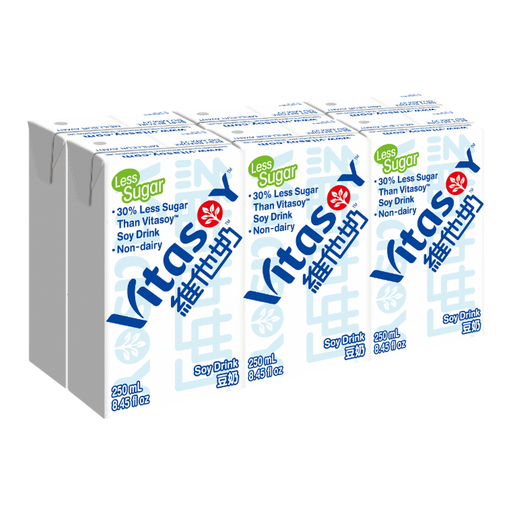
Why this fits the profile: Six portion packs of 250 ml are straightforward for breakfast, work or a first introduction to soya milk. The product information states 4.0 g sugar and 2.8 g protein per 100 ml.
The term “less sugar” is backed up with concrete nutritional values. This allows you to compare the sugar content rather than relying solely on the front of the packaging.
Portion pack, plant-based base and less added sugar according to the product description.
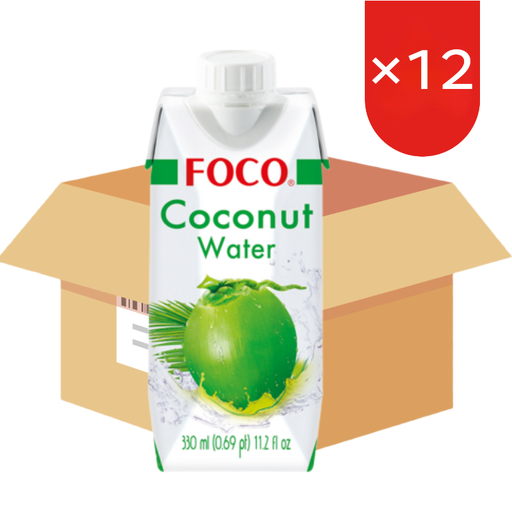
Why this fits the profile: This multipack is suitable for anyone specifically looking for 100% coconut water and wanting to keep several portions in stock. The stated ingredients list only mentions coconut water.
The distinction from coconut drink is clearer thanks to the short ingredients list. Do always check the actual packaging upon delivery.
330 ml per pack, twelve per box and can be stored at room temperature unopened according to the product information.
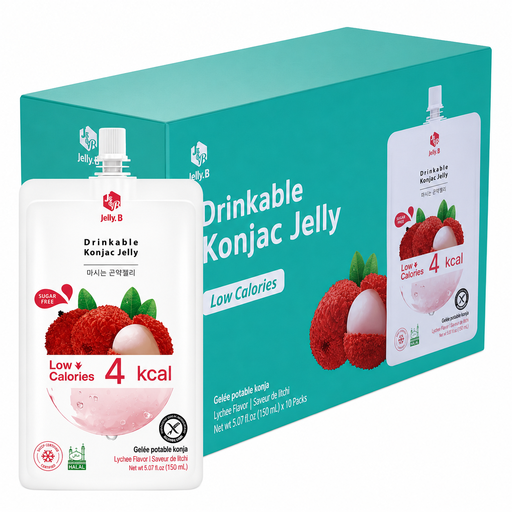
Why this fits the profile: The small pouches are easy to take along as an alternative to a regular Asian soft drink. The lychee flavour and jelly texture create a different drinking experience.
The product information states 3 kcal and 0 g sugar per 100 g. At the same time, erythritol, sucralose and acesulfame-K are listed among the ingredients, so “low-calorie” is not confused with unsweetened.
Ten portions of 150 ml, low energy value according to the label and a portable package.
If you would prefer to choose a sugar-free aloe vera drink, you could look at OKF Aloe Vera Drink Strawberry Sugar-Free, Tropical Aloe Vera Zero or OKF Aloe Vera Drink Sugar Free. These variants are described in the product information as drinks containing aloe vera gel or pulp. Check the exact sweeteners and nutritional values on the bottle.
For a plant-based drink for daily use, Alpro Soyadrink Original, V-SOY Original Soy Drink of 1 litre and the various Vitasoy flavours are logical categories to compare side by side. If you are mainly looking for flavour, you could also consider pandan, banana, strawberry or chocolate varieties. Pay extra attention to sugar, flavourings and any barley.
The Joybuy Product Recommendation Officer advises you to first determine when you will be drinking it, then compare ingredients and nutritional value, and only look at the multipack price or offer last.
We have put together a full, up-to-date list of products that fully meet these strict selection criteria and comply with current European safety regulations.
In Dutch shops, the terms are often used interchangeably. So check the ingredients list, the protein content, the added sugar and the allergen information. Vitasoy and Alpro are examples of plant-based soya drinks that can be drunk chilled or at room temperature, depending on the packaging.
Not necessarily, but the variants mentioned have a low energy value according to the available product information. “Sugar-free” mainly says something about sugar and not about all the ingredients. So also check sweeteners, carbohydrates and the nutritional value per 100 ml.
Always follow the label. Long-life drinks can often be stored in a cool, dry place unopened. After opening, many products need to be kept in the fridge and consumed within the stated time. If in doubt, the instructions on the actual packaging are the best guide.
