
Camper travelling light
Wants to photograph grass heads and seeds up close while out and about, without changing lenses, even when their kit may be exposed to dust or moisture.


Want to take close-ups at the campsite without changing lenses? Look for a rugged compact camera with a documented macro mode. For greater magnification or more lens options, a mirrorless camera with a compatible macro lens may be a better fit. In either case, check the magnification, the space available for lighting and how you’ll keep the camera steady.
Wants to photograph grass heads and seeds up close while out and about, without changing lenses, even when their kit may be exposed to dust or moisture.
Wants to capture individual, tiny seeds at a large scale, so pays attention to magnification, working distance and choosing the right macro lens.
Wants to check first whether a compatible macro lens and a stable shooting technique will do the job before buying a new camera body.
A good fit if: you want to take one camera on walks and camping trips without changing lenses.
Bear in mind: the fixed lens limits your options for future lens choices; also check whether there’s enough room for lighting when taking close-ups.
A good fit if: magnification and lens choice matter more to you than having an all-in-one camera setup.
Bear in mind: check the mount, the lens included in the kit and the clearance in front of the lens; a body on its own isn’t a complete macro setup.
| What to consider | What should you check? | Who should pay particular attention? |
|---|---|---|
| Capturing tiny seeds at a large scale | Compare the maximum magnification of the exact lens or macro mode with the working distance, and look at a test shot. | I want to photograph individual seeds large enough to make out, not just the whole grass head. Around 29% of consumers prioritise magnifying fine detail. |
| Protection while camping | Check what protection applies to the exact camera model; don’t assume the same protection applies to a separate lens or a different combination. | I want to take my camera out in changeable conditions and prioritise protection over interchangeable lenses. Around 21% of consumers prioritise weather resistance. |
| Sharpness and lighting for close-ups | Assess test shots outdoors and pay attention to focus, a steady shooting position and space for light beside the lens. | I want to capture sharp images of grass seeds in natural light, even when the grass head is moving. Around 21% of consumers prioritise a practical focusing and lighting setup. |
| Taking less kit with you | Compare a camera with a fixed lens with a mirrorless camera that requires you to choose a suitable lens separately. | I don’t want to keep changing lenses or carrying several separate items on a camping walk. Around 15% of consumers prioritise lightweight kit. |
| Making the most of an existing camera | Note the exact camera body model and mount, then compare them with the full model name of the macro lens. | I want to know whether my current camera and a suitable lens will be enough before buying a new body. Around 14% of consumers want to make the most of their existing camera. |
Being able to focus close up doesn’t, on its own, tell you how large a seed will appear in the photo. The stated minimum distance and the magnification describe different aspects of the shot.
Compare the maximum magnification of the exact camera or lens, and, if possible, take a test shot of a subject of a similar size.
The Canon EOS R50 supports RF and RF-S lenses, but the maximum magnification of 1:2 applies to the separate RF 35mm F1.8 IS Macro STM lens, according to Canon.
Before buying, check the exact kit contents, lens name and mount.
The macro setup discussed may require a compatible macro lens in addition to the camera body.
Canon explains that depth of field is shallow when shooting close up. Movement between shots can also make it difficult to combine multiple focus points.
Assess test shots in the outdoor conditions you’ll be shooting in, and make sure you have enough light and a steady shooting position.
The Tough TG-7 is a compact camera with a fixed lens and macro modes, designed for anyone who doesn’t want to change lenses on the go.
According to Ricoh, the WG-8 is a rugged compact camera with a fixed zoom lens and built-in lighting for close-ups.
The EOS R50 is a mirrorless camera body for anyone who wants to use a suitable lens sold separately.
The NIKKOR Z MC 50mm f/2.8 is a separate 1:1 macro lens for a compatible Nikon Z camera.
The SEL30M35 is a compact 1:1 macro lens for a compatible Sony camera with an E-mount.
These Joybuy picks are portable cameras for taking on the go. For close-ups of grass seeds, check that the magnification and focusing suit the shots you want to take.
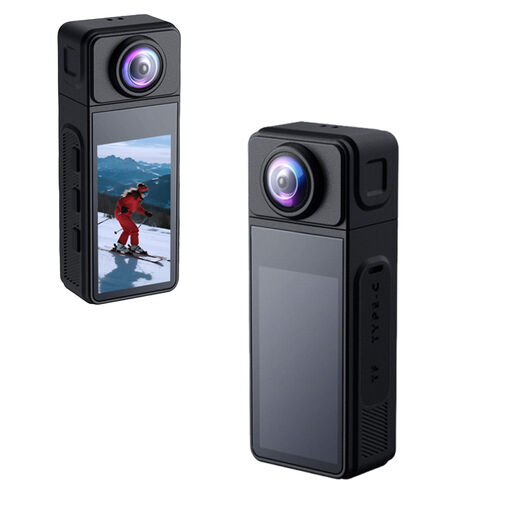 No image available
A lightweight camera for anyone who wants to take a compact setup on the go; check whether it can take the close-ups you need.
According to the product description, the camera weighs 35 g and has a 270° rotating lens, electronic image stabilisation, a 1.86-inch IPS screen, Wi-Fi, a Type-C port, a TF card slot and a 1/4-inch thread.
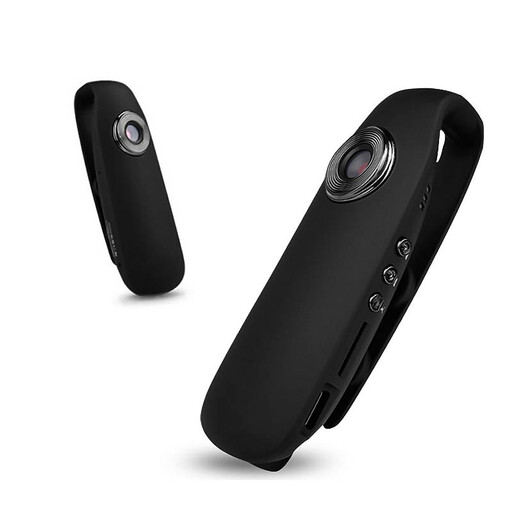 No image available
A wearable camera for outdoor use; check whether the image quality and focusing meet your needs for close-ups.
The product information mentions a magnetic mount, motion detection and a 90° lens. The product name states that it records audio and video.
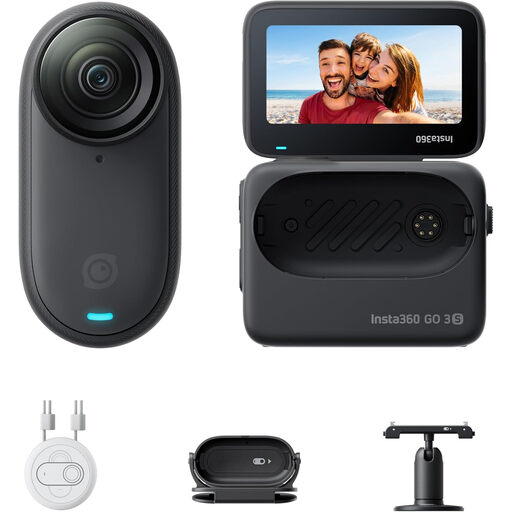 No image available
A compact camera for anyone looking for a lightweight setup for outdoor activities; view test shots to see whether it can capture the close-ups you need.
The product description lists a weight of 39 g, FlowState stabilisation and a photo mode. The product name states 4K, a 140-minute battery life and waterproofing to 10 m for the camera; the Action Pod is described as splashproof.
Don’t wear the camera on your chest, and don’t use the magnetic pendant if you have a pacemaker.
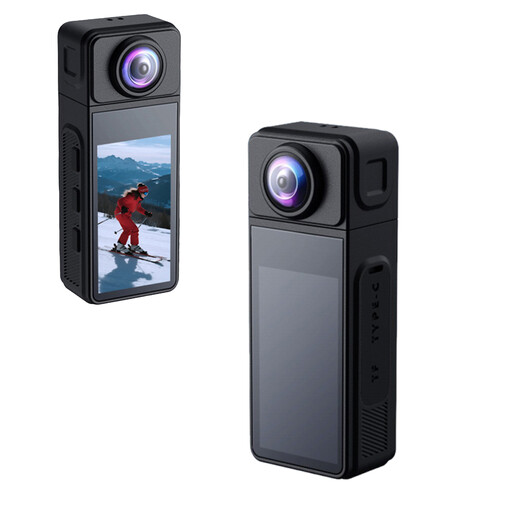 No image available
A lightweight camera for anyone who wants a compact setup outdoors; check in advance that it can capture the close-ups you need.
According to the product description, the camera weighs 35 g and has electronic image stabilisation, a magnetic mount, a 1/4-inch tripod socket and a one-touch photo function.
No, a distance of 1 cm doesn’t guarantee that a grass seed will fill the frame. Also compare the magnification and field of view of the exact camera or lens, and allow room for lighting; 1 cm is a manufacturer specification for the OM SYSTEM TG-7.
Start by taking a test shot, then adjust the focus point and aperture. Canon explains that depth of field becomes shallower when shooting close up; taking shots at different focus points is most useful if the grass head stays still in between.
Check whether you’re buying a camera body or a kit with the macro lens you need, and consider whether lighting, support or an extra battery would suit the way you work. In the Netherlands, statutory consumer rights apply in addition to any manufacturer’s warranty: according to ACM ConsuWijzer, the seller is responsible for providing an appropriate solution if a product breaks down too soon under normal use. There isn’t automatically one fixed two-year statutory warranty period for every camera.
Not necessarily; the rules depend on where you are. The Dutch government states that provinces help determine what is and isn’t allowed in their area. In Staatsbosbeheer nature reserves, check the access signs and stay on the designated paths. Being allowed to take photos doesn’t mean you have permission to pick a plant, so check the rules for the specific location.