
Photographer of makers at work
Photographs faces and moving hands in changing workshop light, paying attention to focus, lens aperture and handling.


Choose a mirrorless camera if you want to match the lens to portraits of makers and small work details. Choose a compact camera if having one portable camera with built-in zoom and no lens changes matters more. For makers in motion, focus and the chosen lens’s maximum aperture matter; stabilisation compensates for camera movement, not movement from hands or faces. Before exhibiting your images, also check the rights relating to identifiable people and the work shown.
Photographs faces and moving hands in changing workshop light, paying attention to focus, lens aperture and handling.
Wants to capture materials, tools and fine finishing clearly, and assesses the chosen lens for framing and close-focusing ability.
Selects images for printing and display, and checks the final image dimensions, printing method and rights for publication.
Choose this option if: you want to take both portraits while people are working and close-ups of small details, and match the lens to your subject and working distance.
Trade-off: a supplied zoom lens is not automatically the right lens for portraits or close-ups; stabilisation will not freeze moving hands.
Choose this option if: you want to take one camera with you on visits without changing lenses.
Trade-off: the lens cannot be replaced, so check in advance that the zoom range and focusing options suit your portraits and details.
| What to consider | What should you check? | Who should pay particular attention? |
|---|---|---|
| Sharp portraits while people are working | Test face or eye autofocus with the lens you plan to use, and consider its aperture and handling. | If I photograph makers while they are working, I want to capture sharp faces and hands in the available light. Around 36% of consumers put sharp action portraits top of their list. |
| Small work details | Compare the maximum magnification and practical working distance of the lens you will actually get. | I want to frame small materials or tools clearly, even if I also take portraits. Around 29% of consumers prioritise work details. |
| Prints for the exhibition | Ask the print supplier about the size and file requirements; check the pixel dimensions after your intended crop. | For my exhibition, I want to know in advance whether the chosen file and crop will work for the print. Around 21% of consumers prioritise the final presentation. |
| Portability and complete kit | Check everything included in the bundle and consider whether the lens is suitable for both portraits and details. | I want to take a straightforward kit with me and avoid unexpectedly needing another lens. Around 14% of consumers prioritise portability and a complete kit. |
With a mirrorless camera, the specific lens partly determines how well you can capture portraits in low light and small details. Kits can also vary.
Check everything included in the bundle and assess portrait and detail shots using that exact lens.
Another suitable lens may be an extra item to add to your kit, so check which lens comes with the bundle you have chosen.
Stabilisation helps counter camera movement, not moving hands or faces. Stated figures may also depend on specific test conditions and lenses.
Assess the camera in the light you will actually be working in, and consider shutter speed, focus and the lens you have chosen.
A camera with built-in zoom can save you from changing lenses, but you cannot replace its lens with another one for portraits or small details.
At your intended working distance, compare how portraits and details are framed.
Identifiable people and copyright-protected work may involve separate rights and conditions of use.
Discuss the photography, exhibition and any online promotion separately, and check which legal basis and rights apply to the specific use.
The EOS R50 is a mirrorless camera where the choice of RF or RF-S lens helps determine how well the kit suits portraits and details.
The Z50II is a mirrorless camera worth comparing if viewfinder and touchscreen controls are important to you.
The X-S20 is a mirrorless camera to consider if RAW shooting and in-body stabilisation suit the way you work.
The RX100 VII is a compact camera with built-in zoom for anyone who would rather not carry interchangeable lenses.
These Joybuy product picks relate to the camera topic; check for each model whether the stated lens and camera details suit portraits of makers and small work details.
 No image available
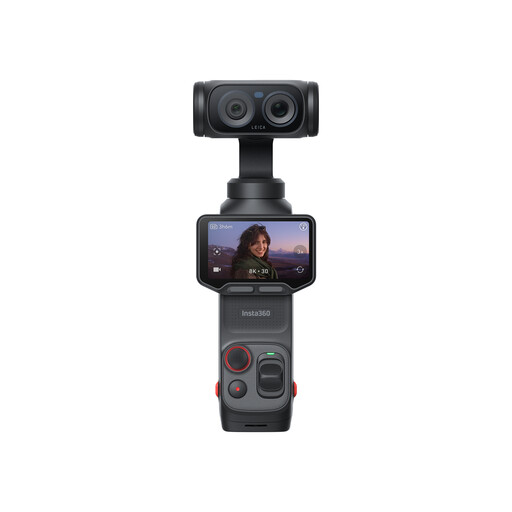
A pocket camera with a stated 20mm f/2.0 wide-angle lens; check whether the field of view suits portraits and small work details.
The product information lists a 1-inch CMOS sensor, 4K video and a 20mm f/2.0 lens.
This is the Vlog Combo version.
 No image available
A pocket camera with a stated 20mm f/2.0 wide-angle lens; consider the field of view at the distance from which you will photograph makers and their work.
The product information lists a 1-inch CMOS sensor, 4K video and a 20mm f/2.0 lens.
This is the Standard Combo version.
 No image available
For anyone considering a camera system with a telephoto lens and zoom; check how the framing suits your intended working distance.
The product information lists a 1-inch main sensor, a 1/1.3-inch telephoto lens and 6× zoom.
This is the Standard Bundle version.
 No image available
A compact camera for anyone considering a pocket-sized model; assess focus and framing for the portraits and details you have in mind.
The product information lists a 1-inch CMOS sensor, 4K/120fps video, 3-axis mechanical stabilisation and a 2-inch touchscreen.
The Creator Combo title mentions a microphone.
 No image available
A pocket camera to assess for focus and framing when taking your portraits and work-detail shots.
The product information lists a 1-inch CMOS sensor and 3-axis stabilisation.
The product information mentions focus for still images and action scenes.
Not necessarily. First, try the lens at your planned working distance to see whether it makes the detail large enough in the frame. Canon lists close-focusing capabilities for the RF-S 18-45mm, but this feature is not automatically included with every EOS R50 bundle.
No. Stabilisation compensates for camera movement, not the movement of hands or faces. When photographing makers in motion, shutter speed, available light and focus remain important; stated stabilisation figures may also depend on specific test conditions.
Ask the print supplier about the required size and file specifications, then check the pixel dimensions of the final crop. A megapixel figure alone cannot give you a definitive answer without this information.
Do not assume that you can. The Dutch Data Protection Authority explains that an organisation needs a legal basis under the GDPR when it takes or publishes photos of identifiable people; consent is often an obvious option, but it is not the only one. Image rights may also be relevant. Agree the intended use with the people concerned in advance.
That depends on the work, the rights holder and how you intend to use it. Auteursrecht.nl states that permission is generally required for copyright-protected visual art, and describes a limited exception for an owner or holder when reproducing the work is necessary for its public exhibition or sale. Do not apply this exception to all craft products or later promotional use without checking first.