
Photographer without a tripod
You want to capture a sharp windmill and its surroundings while you’re out and about. Look for stabilisation, but also choose your shutter speed carefully when photographing moving sails.


Start by considering the field of view you need to frame both the windmill and its surroundings, then compare the stabilisation and weight of the complete setup. A compact camera with a fixed zoom lens means fewer lens choices to think about while you’re out and about; a mirrorless camera offers more choice, but you’ll need to check the lens mount and the weight of the combination. Image stabilisation reduces camera shake, but it won’t freeze rotating sails.
You want to capture a sharp windmill and its surroundings while you’re out and about. Look for stabilisation, but also choose your shutter speed carefully when photographing moving sails.
Sometimes you’ll want to show the whole landscape, and sometimes bring the windmill closer. The lens and its compatibility with the camera determine the framing options available to you.
You’ll be carrying your kit on a walk, so consider the weight of the complete setup and the protection offered to both the camera body and lens.
A good fit if: you want to go for a walk with one camera and don’t want to change lenses.
The trade-off: you can’t change the lens, so check that the wide-angle setting is wide enough for your viewpoint.
A good fit if: you want to choose a lens to suit either a wide landscape view or a closer shot of the windmill.
The trade-off: check the lens mount and factor your chosen lens into the kit’s overall weight. More lenses mean more equipment to carry.
The Consumentenbond highlights size and ease of use as factors to consider when choosing a camera. For windmill landscapes, framing, the weight of the complete kit and the movement of the sails also matter.
| Factor to consider | What to check before buying | Who is this most relevant to? |
|---|---|---|
| Sharpness when shooting handheld | Check whether stabilisation is built into the camera body and/or lens, and which combination the quoted figure is based on. | If I’m shooting without a tripod, I want to know what stabilisation does and which shutter speed suits rotating sails. Around 25% of consumers put handheld sharpness first. |
| Fitting the windmill and landscape in the frame | Compare the field of view of the exact lens on your chosen camera, and check the lens mount. | If I want to capture both the surroundings and a closer view of the windmill, the lens needs to suit my viewpoint. Around 25% of consumers prioritise their preferred framing. |
| Weight of the complete kit | Compare weights on the same basis, and include your chosen lens when considering a mirrorless camera. | When I’m carrying my camera on a walk, I want to know the weight of the whole setup. Around 20% of consumers put portability first. |
| Protection in changeable weather | Check the weather specifications and usage conditions for both the camera body and the exact lens. | If I’m taking photos outdoors, I want to know what protection applies to the complete setup. Around 15% of consumers make weather protection their top priority. |
| Equipment needed and after-sales service | Check what’s included in the exact kit, which lens you’ll need and which warranty terms apply. | I want to know in advance which components I’ll need for my photos and what service terms apply. Around 15% of consumers put equipment and service first. |
Stabilisation helps reduce camera shake; shutter speed also determines how the movement of the sails appears in your photo.
Choose your shutter speed separately to get the effect you want, and check which camera body and lens combination the stabilisation figure is based on.
You carry and use the camera body and lens together. A rating for the body alone doesn’t automatically describe the protection offered to the lens attached to it.
Compare complete setups on the same basis for weight, and check the individual specifications of the exact lens.
Your chosen lens adds to the weight of the equipment you’ll carry on a walk.
Not every lens fits every camera, and the lens also affects the framing options available to you.
Check the exact lens mount, field of view and kit contents before choosing a setup.
The OM-5 Mark II is worth comparing if you’re considering a lightweight kit for walks and outdoor use.
The EOS R7 with RF-S lenses offers an interchangeable-lens option for both wide and closer framing.
The RX100 VII offers a fixed-lens option; the α6700 is a mirrorless camera for which you choose a suitable lens. These features apply to these models, not to all Sony cameras.
The Z5II with NIKKOR Z 24–200 mm f/4–6.3 VR is a kit option to compare if you want a full-frame camera with a single zoom lens.
This Joybuy selection includes compact cameras and pocket models for handheld photography. Check that the stated field of view and zoom suit the framing you want from your viewpoint.
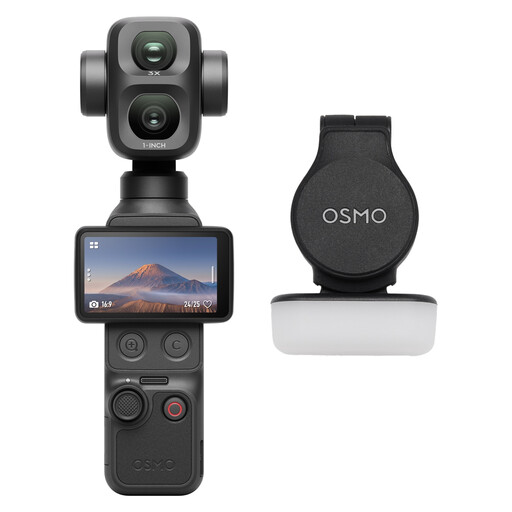 No image available
The wide-angle lens mentioned could suit a wide landscape view; check whether the image will include both the windmill and its surroundings from your viewpoint.
The product description mentions a 20 mm f/2.0 wide-angle lens; the title lists 3-axis stabilisation and 2× lossless zoom.
 No image available
Its zoom and stabilisation may be useful for handheld photography; check whether the field of view suits the landscape from your viewpoint.
The title lists a 1-inch CMOS sensor, 3-axis stabilisation, 2× lossless zoom, 4K/240 fps and 107 GB of built-in storage.
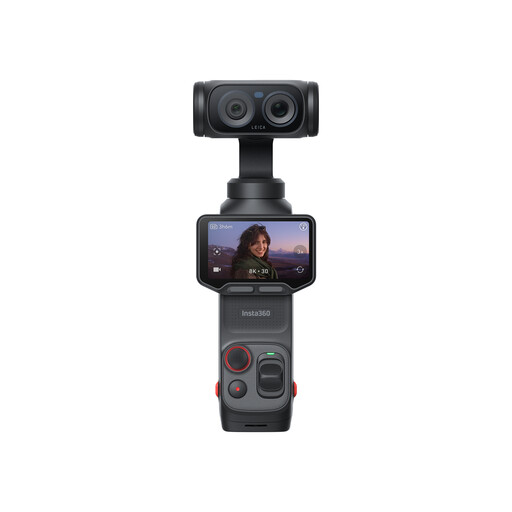 No image available
The product description mentions two lenses, which could be useful if you want different framing options; check which field of view suits your viewpoint.
The description lists a 1-inch main sensor, a telephoto lens, 6× lossless zoom and 3-axis mechanical stabilisation.
 No image available
The zoom listed could help you frame your shot from further away; check whether the camera suits the landscape framing you want.
The title lists 80 MP; the product description mentions 18× optical zoom. According to the description, the camera should be protected from water, moisture and extreme temperatures.
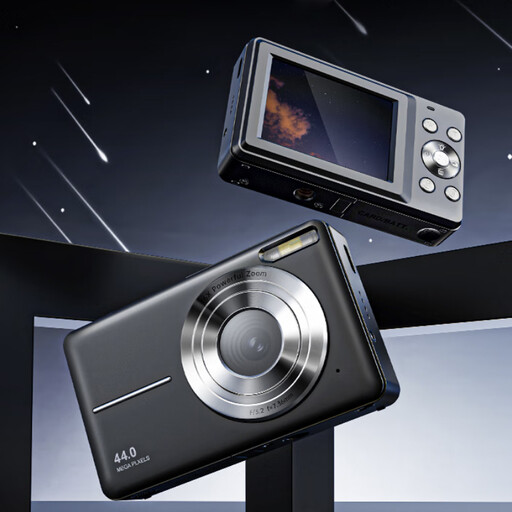 No image available
This pocket camera could suit anyone looking for a compact camera for photography; check that the digital zoom listed meets your framing needs.
The title lists 4K and 44 MP; the product description mentions 16× digital zoom.
Choose your shutter speed according to the effect you want: a faster shutter speed helps freeze movement, while a slower one can make movement visible. Image stabilisation reduces camera shake, but it doesn’t guarantee that moving sails will stay sharp.
Not necessarily. Check the exact lens mount and make sure it’s compatible with your chosen camera before buying a lens.
Before your next shoot, check the condition of both the camera body and lens, and follow their individual usage and care instructions. A protection rating for a camera body doesn’t prove that every lens offers the same protection.
No. According to the Dutch government, the Netherlands has no fixed statutory warranty period; you’re entitled to a product that meets what you can reasonably expect from it. A manufacturer’s or seller’s warranty may offer additional cover. If there’s a problem, contact the seller.
Not necessarily. According to the Dutch Data Protection Authority, recognisable people count as personal data. The exception for personal or household use may apply if you keep images private or share them with a very limited group, but it doesn’t automatically apply to public sharing. Whether it’s lawful depends on how the image is used.