
Detail-seeker on the trail
You want to capture the veins and textures of small fallen petals. Look for a close-up mode or a macro lens suited to the distance you want to shoot from.


If you want to capture tiny details on a coastal walk without changing lenses, look for a rugged compact camera with a clearly specified close-up mode. A mirrorless camera is a better choice if you want to select a suitable macro lens yourself, but make sure the lens mount is compatible and check the protection offered by both the camera body and the lens.
You want to capture the veins and textures of small fallen petals. Look for a close-up mode or a macro lens suited to the distance you want to shoot from.
You want to take your camera out in the rain or on sandy trails. Compare the stated protection of the exact model; with a mirrorless camera, check the lens you have attached as well.
You photograph both petals and the surrounding scenery. A fixed zoom lens means you don’t have to change lenses on the go, while a mirrorless camera gives you the flexibility to choose your own lenses.
Choose this option: if you want to focus on small details quickly while walking and protection from water or dust is important to you.
Bear in mind: close-up and protection specifications vary by model; they don’t mean that all cameras deliver the same image quality.
Choose this option: if you want to select a lens specifically for close-ups, perhaps alongside a lens for wider walking shots.
Bear in mind: the camera body alone doesn’t determine close-up capabilities; the mount, lens, complete kit and protection offered by the combination all matter.
Choose this option: if you want to vary your framing without changing lenses on the go.
Bear in mind: the focusing distance can vary depending on the zoom setting. A longer zoom range doesn’t automatically mean you can focus close to a petal at the telephoto end.
First, compare the close-up capabilities of the exact camera or camera-and-lens combination. Then decide how much protection and flexibility you need on your walk.
| What to consider | What should you check? | Who should pay particular attention? |
|---|---|---|
| Focusing on small petals | Check the compact camera’s close-up mode or the maximum magnification of your chosen lens. These are different features. | If I want to photograph veins and textures up close, I need to know what the exact camera-and-lens combination can do. Around 36% of this group cite detailed close-ups as their main reason for choosing a camera. |
| Protection from rain and sand | Check the stated protection of the camera model and, with a mirrorless camera, the individual lens too. | If I take my camera out in changeable weather or on sandy trails, I need to know the limits of the complete kit. Around 29% of this group prioritise weather protection. |
| Petals and coastal landscapes | Check the angle of view and focusing distance at the zoom setting you want to use, or check which lenses are compatible with the mirrorless camera. | If I want to take both close-up details and wider coastal shots on the go, I look at the framing I can achieve with one lens. Around 21% of this group cite this versatility as their main reason for choosing a camera. |
| Ease of carrying | Compare the weight of the kit you’ll actually take with you, including the lens and any other necessary accessories. | If I want to keep my walking kit simple, the weight of the complete combination matters, not just the camera body. Around 14% of this group prioritise travelling light. |
The figures shown illustrate different priorities when buying a camera for a coastal walk; they are not measured Dutch market shares. For example, the manufacturers specify a close-up mode from 1 cm for the OM SYSTEM Tough TG-7 and PENTAX WG-90. Canon states a maximum magnification of 1:2 for the separately available RF 35mm F1.8 MACRO IS STM; focusing distance and magnification are not directly comparable.
For protection, OM SYSTEM describes the TG-7 as water- and dust-resistant and gives the OM-5 Mark II an IP53 rating. Assess these claims for each model and don’t automatically assume that protection for a camera body applies to every lens.
Focusing distance and maximum magnification describe different features. For the Sony DSC-RX100M7, the stated focusing distance also differs between the wide-angle and telephoto settings.
Check the focusing range at the zoom setting you want to use, and also look at the maximum magnification if one is given for the exact model or lens.
The Canon EOS R50 specifications describe the camera body and RF mount. According to Canon, the maximum magnification of 1:2 applies to the separate RF 35mm F1.8 MACRO IS STM lens, not automatically to every kit lens.
Before buying, check the exact kit contents, the mount and the close-up features of the lens you’ll actually receive.
You may need a separate suitable lens for the close-ups you want, which means carrying extra kit.
OM SYSTEM gives the OM-5 Mark II body an IP53 rating and describes its lenses separately. The body’s protection claim therefore doesn’t necessarily apply to every attached lens.
Check the specifications for both the camera body and the exact lens, and follow the manufacturer’s instructions for use and care.
The Tough TG-7 is a rugged compact camera; the OM-5 Mark II is a mirrorless camera for which you choose a suitable lens separately.
The WG-90 is a rugged compact camera with a digital microscope function.
The EOS R50 is a mirrorless camera with an RF mount. You’ll need to select a separate lens for close-ups.
The DSC-RX100M7 has a fixed zoom lens, so you can vary your framing without changing lenses.
The Nikon Z50II with the NIKKOR Z DX 16-50mm f/2.8 VR lens is a mirrorless option for walking shots and closer-up photography.
The products below are action cameras for wide coastal and walking shots. The product details given don’t specify a close-up mode for small petals; check the features of the exact model if you need one.
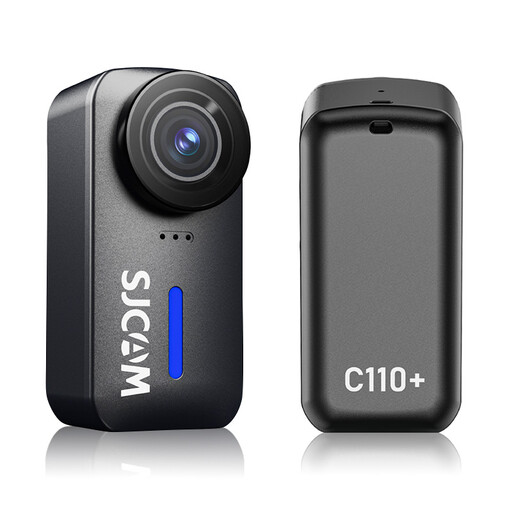 No image available
The wide-angle lens may suit walking shots that include the coastal scenery; the stated features don’t include a close-up function for small petals.
The product name specifies a 170° wide-angle lens, f/1.8 aperture, up to 120 minutes of recording, a housing for use at depths of up to 30 m and a compact size of 6,4 × 3,1 × 3,3 cm. The description specifies photos up to 20 MP. The stated water resistance up to 30 m applies when used with the included housing.
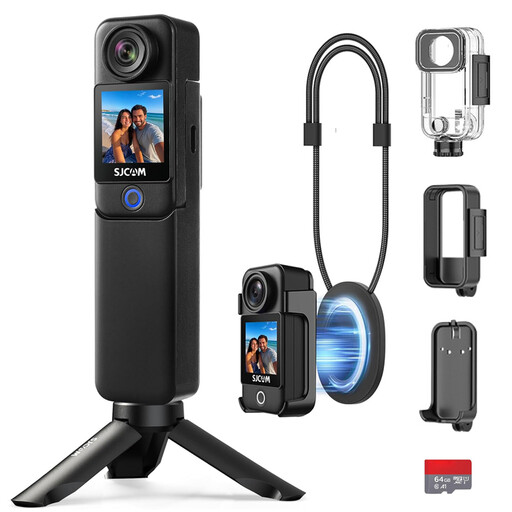 No image available
The stated wide-angle lens and accessory set are suited to outdoor photography; no specific close-up mode for small petals is listed.
The product name specifies a battery life of up to 7 hours, 6-axis stabilisation, two screens and an included accessory set. The description specifies a 154° wide-angle lens and photos up to 20 MP. Water resistance up to 30 m applies when used with the included housing.
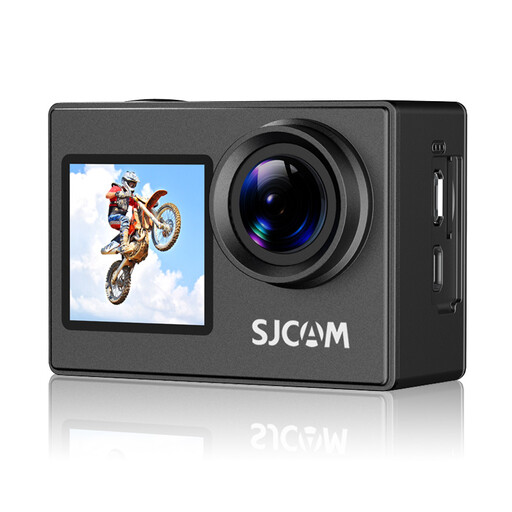 No image available
The wide-angle lens is designed for wider walking shots; the stated product details don’t confirm close-up capability for small petals.
The product name specifies 4K video, a 170° wide-angle lens, electronic image stabilisation and photos up to 16 MP. The camera itself isn’t waterproof; the included housing is required for use in or around water.
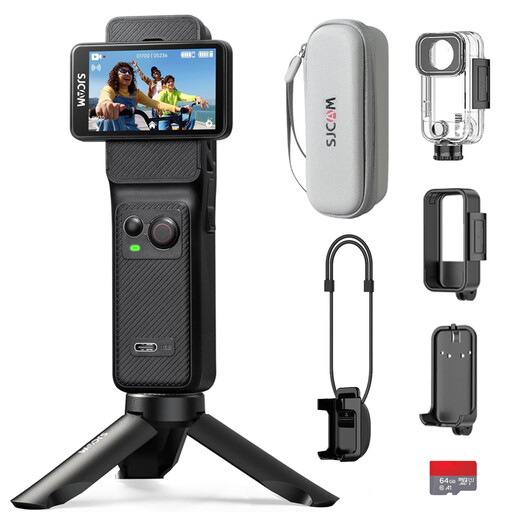 No image available
The wide-angle lens and stated battery life may be useful for longer outdoor recording sessions; the product specifications don’t mention a separate close-up mode for small subjects.
The product name specifies a battery life of up to 7 hours, a touchscreen on both sides and an included 64 GB card. The description specifies a 154° wide-angle lens, 6-axis stabilisation and photos up to 16 MP. Water resistance up to 30 m applies when used with the included housing.
No. A stated focusing distance and maximum magnification are different features. OM SYSTEM specifies a shooting mode from 1 cm for the TG-7, and Ricoh Imaging Europe does the same for the WG-90. Canon specifies a maximum magnification of 1:2 for the separate RF 35mm F1.8 MACRO IS STM lens.
Check the mount and the features of the lens you’re actually buying, not just the camera body. The Canon EOS R50 supports RF lenses; according to Canon, the maximum magnification of 1:2 applies to the separate RF 35mm F1.8 MACRO IS STM lens.
Follow the care instructions for the exact model and the conditions in which you used it. OM Digital Solutions advises switching off the camera before cleaning and warns against strong solvents such as benzene or alcohol, as well as chemically treated cloths.
In the Netherlands, you can contact the retailer about your statutory guarantee. ACM ConsuWijzer explains that the retailer must offer an appropriate free remedy if a product doesn’t meet what you could reasonably expect during normal use; this isn’t the same as a fixed statutory guarantee period of exactly two years.
That depends on the rules for the specific area. Staatsbosbeheer advises visitors to follow the signs and stay on designated paths; check the local rules before leaving the path.