
Walker looking for bark details
Wants to focus up close without changing lenses along the way. The Consumentenbond describes compact cameras as cameras with a fixed lens.


If you want to photograph tree bark up close on a coastal walk without changing lenses, consider a rugged compact camera with a stated close-up capability. A mirrorless camera with a suitable macro lens gives you more choice of lenses, but requires a complete, compatible set-up. Also check the protection offered by the camera body and lens separately.
Wants to focus up close without changing lenses along the way. The Consumentenbond describes compact cameras as cameras with a fixed lens.
Prioritises camera protection when choosing where to take a shot. Protection claims apply to the specific model and its stated conditions.
Wants to combine macro photography with the option of using other lenses later, and takes into account the extra equipment this requires.
| What to consider | What should you check? | Who is this important to? |
|---|---|---|
| Bark details up close | Check the close-up mode or maximum magnification of the exact camera-and-lens combination. Focusing distance and magnification ratio describe different properties. | If I want to capture fine bark textures, I check whether the camera set-up is suitable. Around 36% of consumers prioritise close-up details. |
| Protection from moisture and sand | Read the conditions attached to the protection specifications for the exact model. With a mirrorless camera, check both the body and the lens. | Anyone planning for moisture or sand on a coastal walk will want to know what protection their complete set-up offers. Around 29% of consumers choose protection as their top priority. |
| Ease of carrying while walking | Compare the complete set-up you’ll take with you, not just the size of the camera body. | If I’m carrying the camera throughout the walk, how easy the complete kit is to carry matters. For around 21% of consumers, ease of carrying is the most important factor when choosing. |
| Complete set-up and room to expand | Check which lenses you need for the macro capability you want, whether they fit the body and which lenses you already own. | Anyone looking to expand a mirrorless camera system needs to consider the body and the required macro lens together. Around 14% of consumers focus mainly on the complete set-up and the options for expanding it. |
A stated minimum focusing distance and a magnification ratio measure different properties, so they cannot be directly compared as if they were the same thing.
Compare the crop you want for your bark details with the specifications of the complete camera-and-lens combination. OM Digital Solutions states that the TG-7 can focus from 1 cm; Nikon lists a maximum magnification of 1:1 for the NIKKOR Z MC 50mm f/2.8.
The 1:1 magnification in the Nikon macro set-up discussed here comes from the separate NIKKOR Z MC 50mm f/2.8 lens, not the Z5II body alone.
Assess a complete, compatible set-up and check which lenses you may already own. Nikon lists the macro capability under the lens specifications.
Stated protection claims apply to specific cameras or lenses and are subject to the relevant conditions. A claim for a lens does not automatically tell you anything about the camera body.
With a mirrorless camera, check the body and lens separately. For a compact camera, read the conditions that apply to that model’s protection specifications.
The Tough TG-7 is a compact camera with a fixed lens, designed for close-ups when shooting outdoors.
The WG-8 is a rugged compact camera with a ring light for close-ups.
The Z5II is a mirrorless camera body; the NIKKOR Z MC 50mm f/2.8 is a separate macro option for compatible Z cameras.
The RF system includes the RF 100mm F2.8L Macro IS USM, among other lenses, for a compatible RF camera.
The FE 90 mm F2.8 Macro G OSS is an option for a compatible camera with a Sony E-mount.
This selection includes cameras for action and outdoor use. Product titles describing a camera for close-ups or wet conditions do not, on their own, confirm macro magnification or suitability for photographing tree bark. Check the focusing capabilities and conditions of use for the exact model.
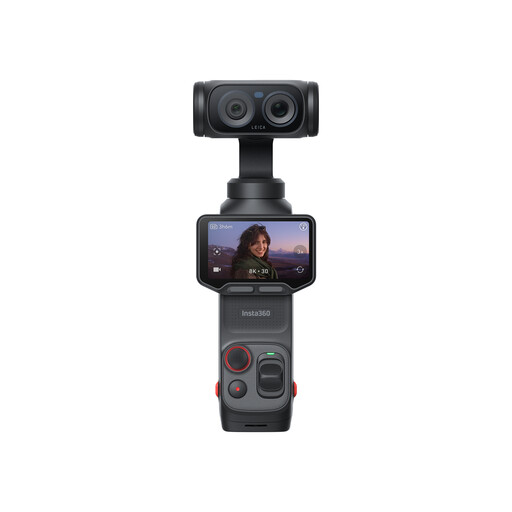 No image available
The product information mentions a telephoto lens and close-ups. Check the minimum focusing distance before choosing this model for tree bark details.
 No image available
The product title describes this as a waterproof mini action camera for travel and vlogging. Check the conditions of use and close-up capabilities if you’re considering it for bark details.
The title lists 4K, a 1/1.3-inch sensor, stabilisation, two OLED touchscreens and three batteries with a stated extended battery life of 12 hours.
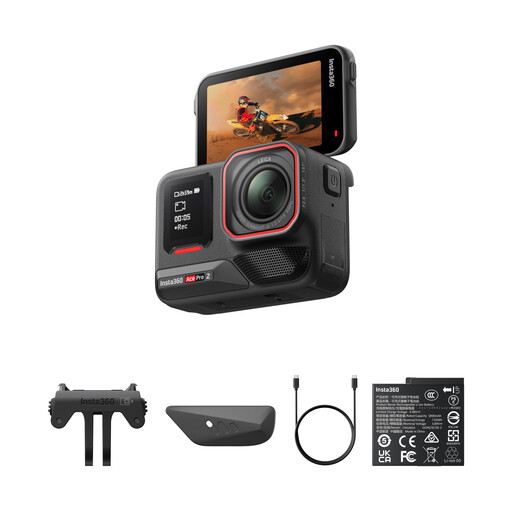 No image available
The product title describes a waterproof action camera. Check the relevant conditions and whether the focusing distance is suitable for the distance at which you want to photograph bark.
The title lists 8K and a 1/1.3-inch sensor; this bundle includes two batteries.
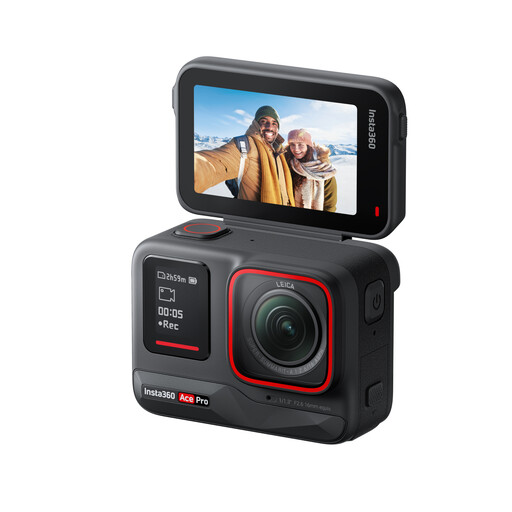 No image available
The product information mentions close-up shots. Check whether the minimum focusing distance suits the details you want to capture on your walk.
The product title describes a waterproof action camera with a 1/1.3-inch sensor and 4K120fps.
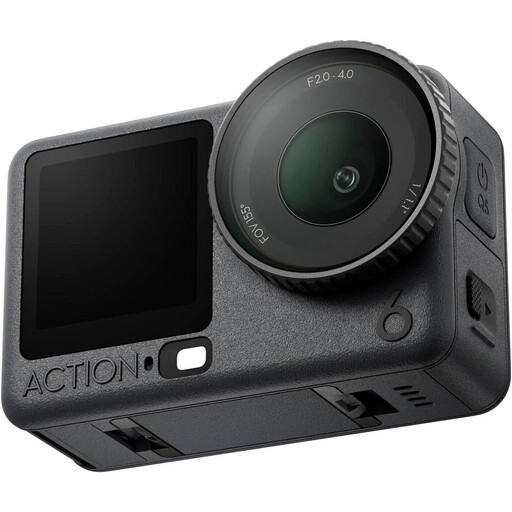 No image available
The product information mentions a compact design and use underwater. Check the stated conditions and close-up capabilities before choosing this model for photographing tree bark.
The description lists a variable f/2.0–f/4.0 aperture.
Not for the 1:1 macro set-up discussed here with the Nikon Z5II: Nikon lists that magnification for the separate NIKKOR Z MC 50mm f/2.8 lens. Before buying, check that the lens is compatible with your chosen body.
After taking a test shot, check which part is in focus and adjust the focus or aperture if needed. Canon points out that depth of field can be shallow in macro photography; support such as a tripod can help with still subjects.
According to ACM ConsuWijzer, you have a legal guarantee in addition to any manufacturer’s guarantee. If a product does not do what you could reasonably expect under normal use, the retailer is responsible for providing an appropriate solution; there is no single fixed statutory guarantee period for every camera.
You can’t assume this is allowed everywhere: rules vary from one area to another. Staatsbosbeheer refers visitors to the signs at the site; in the Schoorlse Duinen, walking is generally only permitted on official paths, with any exceptions indicated.
Consider separately whether you’re allowed to share the photo publicly. The Autoriteit Persoonsgegevens distinguishes between personal or household use and wider publication; the exception for personal or household use does not automatically apply when you share a photo publicly.