
Maker showcasing bead details
Wants to capture the texture, individual beads and clasp clearly, so compares the close-up capabilities of the complete camera setup.


Choose based on the shots you need. For bead details, a compact camera with a macro mode could be an option, while a mirrorless camera with a suitable macro lens gives you more choice of lenses. With either option, check that you can frame both the whole bracelet and small details, and that there’s enough room on your small table for stable support and lighting.
Wants to capture the texture, individual beads and clasp clearly, so compares the close-up capabilities of the complete camera setup.
Needs a clear full-length shot as well as detail photos, and wants to frame it within the available table space.
Wants to take repeatable photos without the camera, support and lighting taking over the entire workspace.
A good fit if: you want to photograph details without choosing a separate lens, and can also frame the whole bracelet in the space available.
Bear in mind: the fixed lens cannot be changed, and shooting very close up can leave less room for lighting.
A good fit if: you want to choose the lens and framing to suit both the whole bracelet and small details.
Bear in mind: check the mount, the magnification of the exact lens, and whether the lens is included with the version you choose.
A good fit if: your current camera can already capture the shots you want in focus, but you need a more stable setup.
Bear in mind: support does not make the subject appear larger or prevent reflections on its own.
| What to consider | What should you check? | Who is this important for? |
|---|---|---|
| Small beads and clasps | Compare the maximum magnification of the exact lens or macro mode. Canon Netherlands lists a maximum of 1:2 for the RF 35mm F1.8 MACRO IS STM; OM SYSTEM describes a microscope mode for the TG-7 that can focus from 1 cm. Also check that there’s room for lighting at that distance. | If I want to show individual beads and clasps clearly, the close-up needs to capture the smallest detail. Around 36% of consumers say small details are their top priority. |
| Framing the whole bracelet | Try both a full shot and a close-up on your own table. Leave room for the camera, support and lighting. | I want to show the whole bracelet clearly without my workspace limiting the distance I need to shoot from. Around 29% of consumers say a full shot is their top priority. |
| Lighting, colour and focus | Check that stable support and the lighting you want will fit on the table. Nikon describes focus stacking as combining shots taken at different focus points; this requires multiple photos and processing. | If I want to capture shine and colour consistently, I also want to be able to repeat the lighting and focus. Around 21% of consumers say lighting and colour are their top priority. |
| A complete, easy-to-handle kit | Check whether the lens is included and whether it can take the close-ups you want. The Canon EOS R50 supports RF lenses; the body alone does not determine how close you can frame your subject. | I want to limit the number of separate buying decisions and know in advance which parts I’ll need. Around 14% of consumers say kit simplicity is their top priority. |
The stated magnification varies by lens. Nikon lists a maximum of 0.67× for the Z DX MC 35mm f/1.7; the comparison with 1:1 in FX format does not change this optical reproduction ratio.
Compare the specifications of the exact lens and assess a test shot of the smallest bead.
With a mirrorless camera, the lens also affects how close you can shoot. The Canon EOS R50 has an RF mount; the specifications for the RF 35mm F1.8 MACRO IS STM apply to that separate lens.
Check the exact model names and what’s included with the version you choose before comparing camera bodies or kits.
A camera’s minimum focusing distance doesn’t tell you whether there’ll be enough room for useful lighting at that point. OM SYSTEM also describes a separate TG-7 bundle with an LG-1 light guide.
Assess the lighting at the actual shooting distance and check whether a light guide is included with the version you choose.
A wide aperture can reduce depth of field. Canon Netherlands explains that a low f-number can mean only a narrow part of the scene is captured in focus.
Decide how much of the bracelet needs to be in focus in one shot, and try a stable setup first. Focus stacking may require extra shots and processing.
The EOS R50 with a suitable RF lens is a mirrorless camera option for anyone who wants to tailor the lens to different shots.
A Z DX camera with a suitable NIKKOR macro lens is an interchangeable-lens option for both detail and full-length shots.
The Tough TG-7 is a fixed-lens alternative with built-in close-up modes for anyone who would rather not choose a separate macro lens.
These cameras are options for photography in general; check whether each model can take the close-ups of beaded bracelets you need.
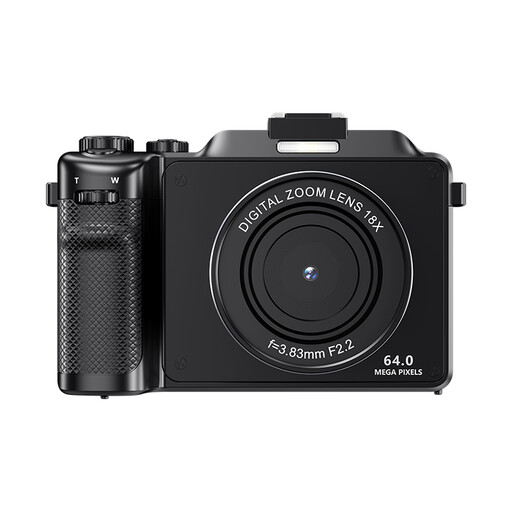 No image available
Before choosing it for bracelet photography, check whether this model can take the close-ups you want of individual beads.
The product name lists autofocus, 4K, 64MP and 18× digital zoom.
 No image available
Before choosing it for bracelet photography, check whether this model can take the close-ups you want of individual beads.
The product name lists a 1″ CMOS sensor, 4K/120fps video, 3-axis stabilisation and a 2″ rotating touchscreen. These specifications alone don’t tell you whether the camera can take the close-ups you want.
 No image available
Before choosing it for bracelet photography, check whether this model can take the close-ups you want of individual beads.
The product name lists a pocket camera for photos and video, 4K, 44MP and 16× zoom.
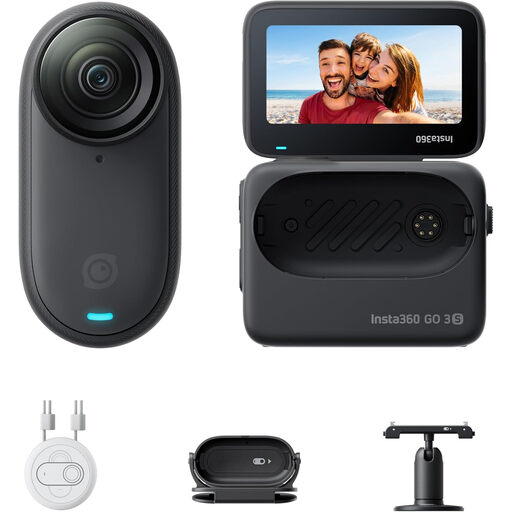 No image available
Before choosing it for bracelet photography, check whether this model can take the close-ups you want of individual beads.
The product name lists a portable 4K mini camera with stabilisation and 140 minutes of battery life. Also consider whether your preferred setup will be practical on a small table.
Not necessarily. On your own table, compare a full shot that fits the bracelet with a close-up of the smallest detail that matters. Check the focus and the room available for lighting in both situations; the minimum focusing distance alone doesn’t give you the full picture.
Start with a stable setup for your stationary subject. If one shot doesn’t provide enough depth of field, you can take photos at different focus points and combine them using suitable software. This requires extra shots and processing, and isn’t automatically available on every camera.
If you’re buying a mirrorless camera, check whether the version you’ve chosen includes the lens you need. For consumer purchases in the Netherlands, statutory rights apply alongside any manufacturer’s warranty. If a product is faulty, the retailer is your point of contact, according to the Dutch government.
According to the Dutch government, a 14-day cooling-off period applies in many cases to distance purchases. It doesn’t automatically apply to every transaction; for example, an online purchase from a private seller is not covered by the stated distance-selling rules. Check the terms that apply to the specific sale.