
Viewer with limited space
You want a picture that suits the distance from your seat and fits on your TV stand or in an alcove. The Consumentenbond recommends using viewing distance as a starting point when choosing a screen size.


Start by measuring your viewing distance and the space available. Then choose between OLED, which can offer deeper blacks in dark film scenes, and LCD/QLED as options to compare in a bright room. The Consumentenbond describes these as general characteristics, not a guarantee of how a specific model will perform. Also check for reflections, how clearly voices come through and whether the setup will work in your rented home.
You want a picture that suits the distance from your seat and fits on your TV stand or in an alcove. The Consumentenbond recommends using viewing distance as a starting point when choosing a screen size.
You mainly watch films with dark scenes and want to weigh up contrast against daylight and reflections in your room. The Consumentenbond describes OLED as a technology that can display deeper blacks.
You want to be able to set the TV up and move it later, with clear sound that lets you follow dialogue without immediately planning a wall mount or audio system.
First measure your viewing distance and the space available for the TV. Then compare the display technology and decide whether you want a simple setup with built-in sound.
| What to consider | What to look for when buying | Who should pay particular attention? |
|---|---|---|
| Screen size and space | Measure your viewing distance and the available width and depth. The Consumentenbond suggests around 2.4 times the screen diagonal as a starting point, not a hard-and-fast rule. | I want the screen to be comfortable to watch from my seat and to fit on my stand. For around 36% of consumers who put fit first, this is their top priority. |
| Dark film scenes | Compare the picture quality and reflections of the exact model. Also check whether your film source supports the HDR format you want. | If I mainly watch in the evening, I want to take black levels and detail in dark scenes into account. Around 29% of consumers put these film pictures first. |
| Visibility in daylight | Consider the position of windows and lights, and compare the brightness and reflections of specific TVs. A panel label alone won’t tell you how a model performs. | My room is bright during the day, so I want to know how clearly I’ll be able to see the picture. For around 21% of consumers, watching in daylight is the top priority. |
| Positioning and clear sound | Check the dimensions, including the stand, and the connections. If possible, listen to voices before deciding whether you need a separate audio system. | I want to be able to move the TV and follow dialogue clearly without immediately drilling into the wall. Around 14% of consumers give flexible positioning and clear sound top priority. |
The screen diagonal won’t tell you how wide the TV is with its stand, or whether the viewing distance will feel comfortable.
Measure the distance from your seat and the available width and depth. Then compare the chosen model’s overall dimensions, including the stand.
The technology gives you a general indication, but picture processing, reflections, ambient light and viewing angles vary from model to model.
Choose based on the light in your room and compare information about the exact model, rather than relying on the panel label alone.
HDR support alone doesn’t tell you how convincingly a specific screen will display the picture. Your source also needs to support the format you want.
Check your film source and the supported formats, and assess picture quality and reflections separately.
A manufacturer’s warranty alone doesn’t determine what you’re legally entitled to expect from a TV. ACM ConsuWijzer explains that the legal guarantee isn’t a fixed two-year period for every TV.
Keep your proof of purchase and model number. If there’s a fault, also check your rights with the retailer.
The OLED42C68LA is a 42-inch OLED model worth considering if you’re looking for a compact TV for films.
The QE43Q7F2AUXXN is a 43-inch QLED model to compare with compact OLED TVs.
According to the model information, the 43PUS8500/12 combines a 43-inch LCD screen with three-sided Ambilight.
The 42-inch XR42A90KAEP is a compact OLED option to compare for size, connections and positioning.
This selection includes compact TV models for watching films, with OLED, LCD and QLED options. Compare each model’s size, picture features and positioning to find the right fit.
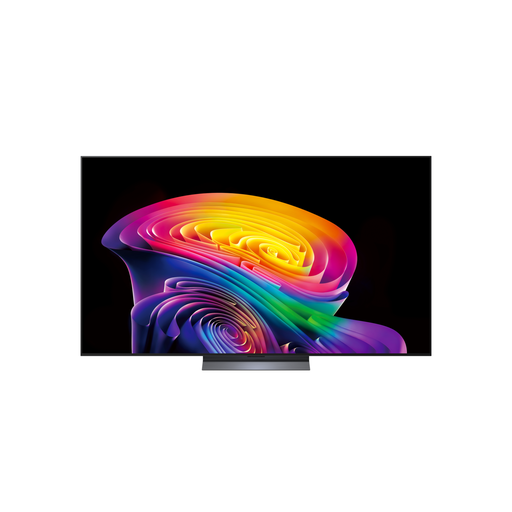 No image available
A compact OLED option to compare if you mainly watch films in the evening. OLED can display deeper blacks, but remember to check for reflections in your room.
4K Ultra HD; Dolby Vision; HDR10; Dolby Atmos; HDMI 2.1; AMD FreeSync; webOS; Wi-Fi.
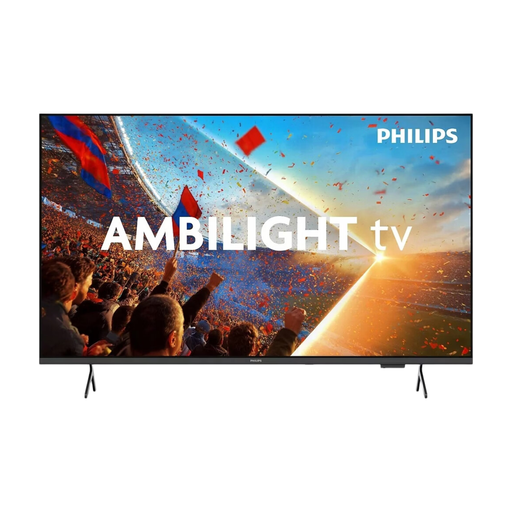 No image available
A 43-inch 4K model to consider as you compare options for a compact film setup. Check that its dimensions suit your stand and viewing distance.
43 inches; 4K.
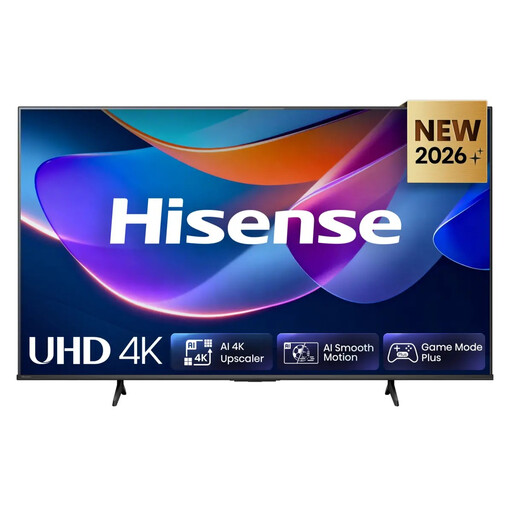 No image available
A 43-inch model to compare if you’re looking for a 4K TV for a compact film setup. Check whether its picture features suit the light in your room and your film source.
4K UHD; 60 Hz; Dolby Vision; HDR10+; VIDAA; Game Mode Plus.
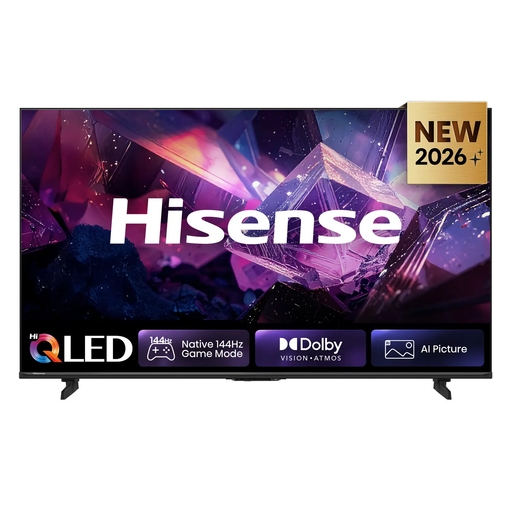 No image available
A QLED model to compare with an OLED TV if you’re choosing a screen for film nights. Assess the black levels and reflections on this specific TV.
QLED; gaming TV.
 No image available
A 43-inch LED TV to compare for a compact film setup. Check your viewing distance and how reflections from your room fall on the screen.
4K; 50 Hz; Smart TV.
Measure the distance from your eyes to where the TV will go. The Consumentenbond suggests around 2.4 times the screen diagonal as a starting point. Also compare nearby screen sizes and the TV’s actual width and height.
According to the Rijksoverheid, you don’t need permission for a minor alteration that you can undo without too much cost, such as filling in drill holes. Different conditions may apply to changes that aren’t easy to reverse. Placing the TV on a suitable stand avoids the question of mounting it.
Check that you can clearly hear voices through the built-in speakers and that the exact model has the audio connection you need. The Consumentenbond assesses sound quality and speech clarity in its TV tests, so check the connections on the model you’re considering.
The EU label for electronic displays shows, among other things, the energy class and information for SDR and HDR. The European Commission notes that HDR viewing may use more energy than other settings. The label alone can’t tell you your personal electricity costs without knowing your viewing time and electricity tariff.
For a new TV ordered online, ACM ConsuWijzer says you generally have up to 14 days after delivery to change your mind, subject to applicable exceptions. In the Netherlands, the legal guarantee doesn’t have a fixed term of just two years; what you can expect depends, among other things, on the product, price, brand and normal use.