
Toy photographer
You want to photograph different wooden toys from a similar angle and show their colour and finish clearly. Canon UK recommends using a tripod for consistent product compositions.


Choose a mirrorless camera with a kit zoom lens if you mainly want to photograph the whole toy, with the option of capturing the occasional detail. For tiny details that need to fill the frame, a dedicated close-up mode or a separate macro lens is a better fit. Focusing up close isn’t the same as high magnification, so compare the specifications for the exact lens or camera mode. Also consider how much room you’ll have to frame and light your subject.
You want to photograph different wooden toys from a similar angle and show their colour and finish clearly. Canon UK recommends using a tripod for consistent product compositions.
You want to capture small joints, grain or engravings clearly. So don’t just check whether a camera can focus close up; also look at the magnification offered by your chosen lens or mode.
You want to frame both the whole toy and small details while keeping the camera close to the table. Check that the focusing distance and angle of view suit the space available for positioning the camera.
Best for: mainly taking wide shots, with the option of capturing the occasional detail, if you can adjust the distance from the table.
Bear in mind: a kit zoom lens isn’t automatically a 1:1 macro lens; you may need a different lens for very small details.
Best for: quickly photographing small details with a fixed lens, if this matters more to you than being able to use different lenses later.
Bear in mind: at a very short focusing distance, it can be harder to frame the whole toy and leave enough room for lighting.
Best for: getting small grain patterns, markings or joints to fill the frame, and using a dedicated lens to do so.
Bear in mind: you’ll still need the right distance and framing to capture the whole toy.
| What to consider | What should you check? | Who is this important for? |
|---|---|---|
| Magnifying small wood details | Compare the maximum magnification and focusing distance of the exact lens or mode. Nikon specifies 1:1 for the separate NIKKOR Z MC 50mm f/2.8; OM SYSTEM states that the microscope mode on the TG-7 can focus from 1 cm. | If I want to capture engravings or joints in close-up, I’ll focus on the magnification offered by my chosen setup. Around 31% of consumers put small details first. |
| Framing the whole toy | Check the angle of view and focusing distance for the lens setting you want to use. Canon specifies different autofocus distances for the RF-S 18-45mm at different zoom settings. | If I have little space around the table, I want to be able to frame the whole toy without moving the camera further away. Around 25% of consumers prioritise being able to frame their subject in a small space. |
| Keeping a series of photos consistent | Check whether a tripod will fit around the table and whether you can repeat the framing and lighting between shots. Canon UK recommends using a tripod for consistent compositions. | If I want to photograph several toys in a similar way, I want to be able to repeat the colour, lighting and composition. Around 25% of consumers put consistency first. |
| Choosing a complete setup | Check the lens and accessories included in the exact kit. Nikon states that the Z50II kit reviewed does not include a charger. | If I want to get started without too much research, I want to know in advance which parts are included with the camera. Around 19% of consumers prioritise a straightforward, all-in-one setup. |
Being able to focus close up doesn’t, by itself, tell you how large an engraving will appear in a photo. Maximum magnification can also vary depending on the lens setting and focusing method.
Compare both the maximum magnification and the usable focusing distance for the exact lens or camera mode, rather than looking only at the minimum focusing distance or the word ‘macro’.
If you want very small details to fill the frame, you may need a separate, compatible macro lens.
The lens and other items included in the kit also affect whether you can get the framing you want. For example, Nikon states that the Z50II kit reviewed does not include a charger.
Check what’s included in the exact version, and consider where the camera, any tripod and your lighting will fit around the table.
Sony describes the ZV-E10 and ZV-E10 II as separate models. The name of a version supplied with a lens doesn’t automatically tell you about a different model version or bundle.
Check the full model name and the lens supplied before comparing specifications or versions.
The EOS R50 with RF-S 18-45mm is a mirrorless camera kit for wide shots and your first close-ups on the table.
The Z50II with NIKKOR Z DX 16-50mm is a zoom kit; a separate Z macro lens is another option for small details.
The Tough TG-7 is a compact camera with a fixed lens and a dedicated mode for taking very close-up detail shots.
The original ZV-E10 is a mirrorless camera alternative for anyone who wants to combine toy photography with video presentations; check the lens bundle separately.
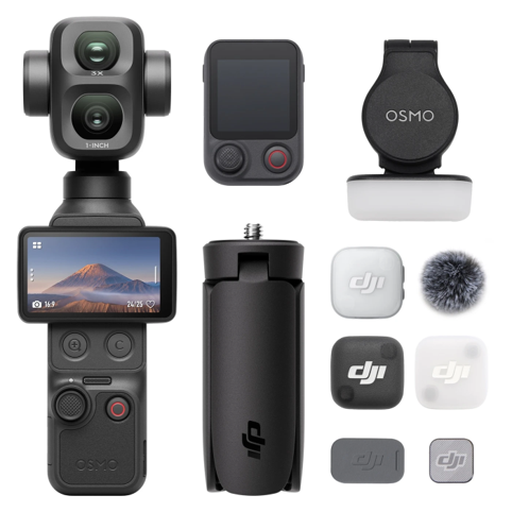
This selection includes pocket vlogging cameras and a Sony ZV-E10 kit. Compare the lens and zoom details listed with the framing you want for your toy, and check that the exact version is suitable for close-ups on your table.
 No image available
The product name identifies this as a pocket vlogging camera; check that it suits the framing you want for your toy and the setup on your table.
 No image available
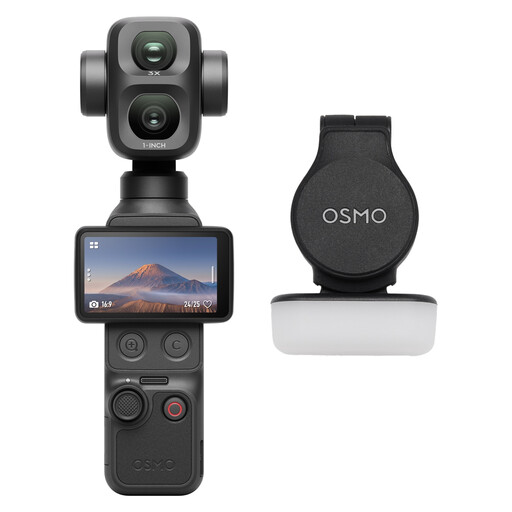
The product name identifies this as a pocket camera; check that you can get the close-up and framing you want before choosing it for small wood details.
 No image available
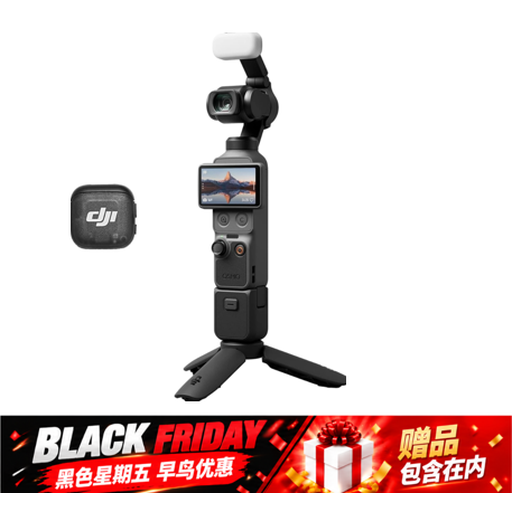
The product title mentions 2× lossless zoom; compare the available framing with the size of the wooden toys you want to photograph.
The title also mentions a 1″ CMOS sensor and a rotating screen.
 No image available
The product title mentions 2× lossless zoom; check that the framing works for both your wide shots and detail photos.
The title mentions a handle with a 1/4″ thread.
 No image available
The product name mentions a 16–50mm zoom lens; focal length alone doesn’t determine how large a small engraving will appear in the frame.
No. Canon lists separate focusing distances and maximum magnifications for the RF-S 18-45mm, depending on the zoom setting and focusing method. For small wood details, compare both figures for the exact lens.
Keep the camera and toy in fixed positions as far as possible. Canon UK recommends using a tripod to keep the composition and background consistent between product photos; also check whether there’s room for one around your table.
For a standard online consumer purchase, ACM ConsuWijzer says you generally have up to 14 days from delivery to change your mind; check whether an exception applies to your purchase. Your statutory rights are separate from the manufacturer’s warranty: if a product doesn’t perform as you could reasonably expect under normal use, the seller is responsible for offering an appropriate solution, according to ACM ConsuWijzer.
The Dutch government lists collection points for electrical appliances and states that batteries from still and video cameras can be taken to designated battery collection points. Don’t put the battery in your general waste.