What should you look for in a camera for photographing musicians?
First check the venue’s rules, then decide which lens and settings suit the distance, lighting and movement involved in your assignment.
| What to consider |
What should you check? |
Who should pay particular attention? |
| Capturing movement sharply |
Check that you can set an appropriate shutter speed and focus with the exact camera and lens combination; try it out in similar stage lighting. |
If I want to photograph musicians in motion, I focus on shutter speed and focusing. Around 29% of consumers give capturing movement sharply their top priority. |
| Enough light for the framing |
Compare the maximum aperture at the focal length you need, and check the lens mount and what’s included in the kit. |
If you want a usable composition from a dark spot in the venue, consider how much light the lens lets in at the zoom setting you need. Around 29% of consumers prioritise having enough light for their chosen framing. |
| Access to the venue |
Ask the venue or organiser whether photography and your type of camera are allowed; another venue’s rules won’t tell you what’s permitted here. |
If I’m taking photos from the audience, I want to know whether I can bring my camera inside. Around 24% of consumers give the rules at their own venue top priority. |
| Cost of a complete kit |
Check what’s included in the exact offer and whether you’ll need a compatible lens or any other components. For a one-off assignment, try equipment that’s already available first. |
For a one-off school project, I want to weigh the total cost against equipment I can already use or borrow. Around 18% of consumers prioritise the cost of a complete, usable kit. |
Cameras at Joybuy
This selection includes compact cameras and cameras for photography. Check each model to see whether its listed features suit the distance, stage lighting and freedom of movement your assignment requires.
 No image available
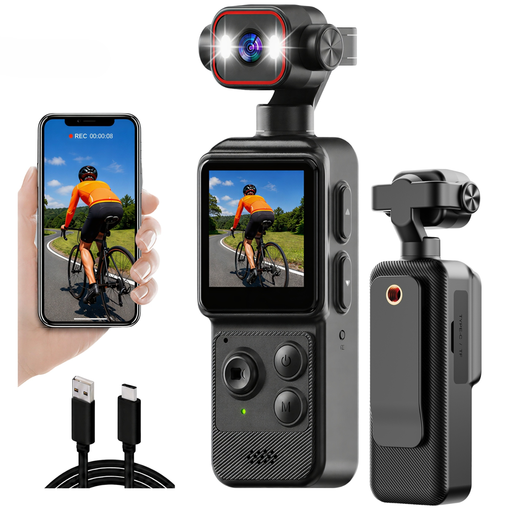
Mini 4K action camera with clip
The clip could be useful if you want to attach the camera nearby; check in advance that this way of taking photos is suitable and permitted for your assignment.
The product name lists a 140° wide-angle lens, a 1.54-inch display, app control, LED light and a 1200 mAh battery.
View at Joybuy
 No image available
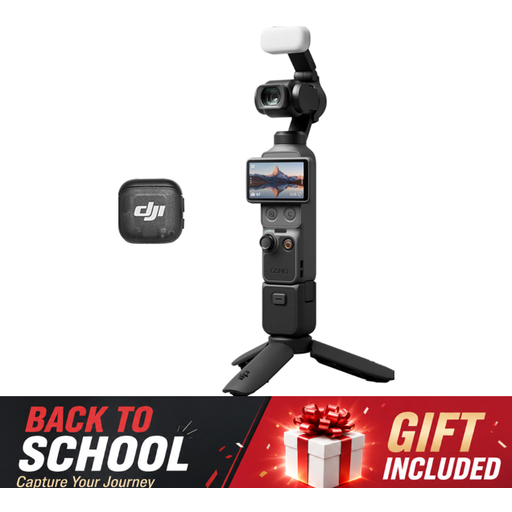
DJI Osmo Pocket 3 Creator Combo
Its compact design could be useful if you want to take a camera with you without choosing a separate lens; check that the listed features suit the way you plan to take photos.
The product name lists a 1-inch CMOS sensor, 4K/120fps video, 3-axis stabilisation, tracking and an included microphone.
View at Joybuy
 No image available
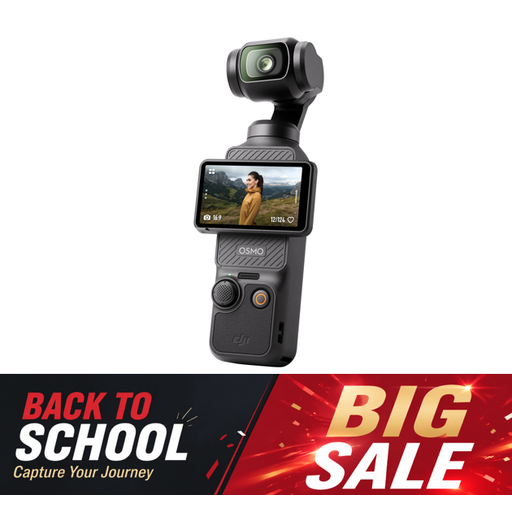
DJI Osmo Pocket 3
This compact camera could be an option if you’re looking for a pocket-sized model; bear in mind that the product name also highlights its video features.
The product name lists a 1-inch CMOS sensor, 4K/120fps video, 3-axis stabilisation, tracking and a 2-inch rotating touchscreen.
View at Joybuy
 No image available
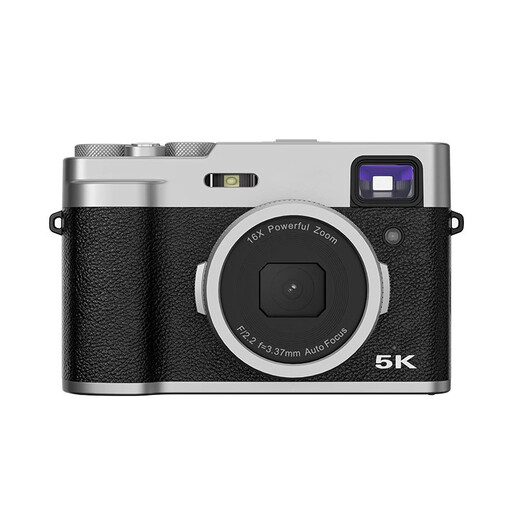
Songdian Retro 48MP compact camera, black
A compact camera could suit you if you’re looking for a fixed camera setup; check that its range and controls work for where you’ll be standing in the venue.
The product name lists autofocus, 48 MP, 5K video, a 2.8-inch LCD screen and an optical viewfinder.
View at Joybuy
 No image available
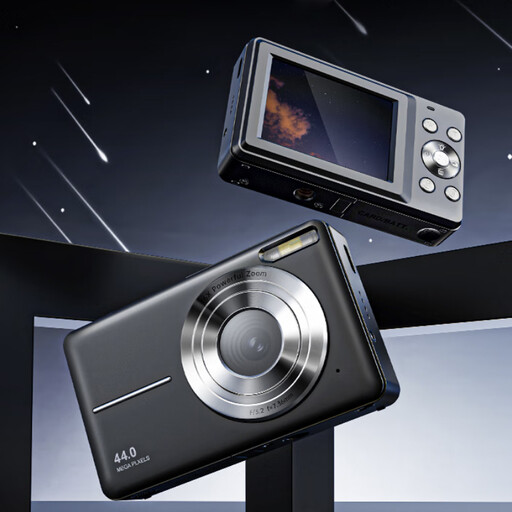
Songdian 44MP pocket camera, black
The pocket-sized design could be useful if you want to take a compact camera with you; check in advance whether its range will be sufficient from where you’ll be taking photos.
The product name lists photo and video, autofocus, 44 MP and 16× digital zoom.
View at Joybuy
Frequently asked questions about cameras for photographing musicians
Can I take photos with a mirrorless camera at a concert?
It depends on the venue’s and event’s house rules. TivoliVredenburg and Melkweg state that cameras with interchangeable lenses may require permission, and that consumer cameras are allowed. These rules apply to specific venues and don’t amount to general permission for every concert; check the rules at your venue.
Can image stabilisation keep a moving musician sharp?
No. Image stabilisation doesn’t replace a shutter speed that can freeze the musician’s movement. Fujifilm’s claimed stabilisation for the X-S20 therefore doesn’t guarantee sharp images of moving performers at a slow shutter speed.
What should I check before using a mirrorless camera?
Check whether a lens is included and whether it fits the lens mount. Take test shots in advance from the intended distance and in similar lighting, then assess whether the shutter speed, aperture and ISO suit your subject.
Am I entitled to exactly two years’ warranty on a camera in the Netherlands?
No. According to the Dutch government, there is no fixed statutory warranty period in the Netherlands. You’re entitled to a product that works as it should; if there’s a problem, the seller must provide a solution. A manufacturer’s warranty is in addition to those statutory rights.
Can the school take and publish recognisable photos of pupil musicians?
The Dutch Data Protection Authority states that permission is required for recognisable images taken and published by a school. For pupils aged 16 or over, the school asks the pupil directly; for younger pupils, it asks their parents. This applies to the school’s use of the images and doesn’t necessarily determine the rules for every private photograph.


