Who is this choice relevant to?

Detail painter

Want to capture brushstrokes, faces or small features clearly? Compare the magnification and working distance of the exact lens, not just the camera’s megapixels. Nikon Netherlands, Canon Europe and Sony Netherlands publish lens specifications for each model.

Series photographer

If you photograph figures repeatedly against the same white background, a fixed set-up, controlled lighting and consistent white balance are important considerations. Adobe explains controlled lighting and how to adjust white balance to suit the light.

Simple set-up seeker

If you want to get started without a separate lens, compare a compact camera with close-up modes with a mirrorless camera that lets you choose your lens. OM SYSTEM lists macro modes and RAW shooting for the Tough TG-7; the Consumers’ Association describes a compact camera as one with a fixed lens.

What should you look for when choosing?

Compact camera with close-up mode

Choose this option: if you want to get started without changing lenses; according to OM SYSTEM, the OM SYSTEM Tough TG-7 has macro modes and RAW shooting.

Bear in mind: the lens is fixed, so check whether you can achieve the framing and lighting you want.

Mirrorless camera with a suitable macro lens

Choose this option: if lens choice matters to you or you want to photograph tiny details at a larger size; focus stacking is also available with some compatible combinations.

Bear in mind: you may need to buy a suitable lens separately, and focus stacking compatibility varies by camera and lens.

What to consider What should you check? Who is this important for?
Magnifying small details Compare the maximum magnification and the available space in front of the lens for the exact camera-and-lens combination. If you want small painted details to stand out clearly, both magnification and room for lighting matter. Around 33% of consumers prioritise magnifying details.
Sharpness across the whole figure Check whether the camera supports focus stacking with your chosen lens and whether the set-up will remain stable throughout the sequence. If your figure has protruding features, you may want both the front and back to appear sharp. Around 25% of consumers prioritise depth of field.
White background and figure colours Take test shots using the lighting you plan to use and check the white balance. If you want a neutral white background and consistent colours, keep the lighting and set-up consistent. Around 25% of consumers prioritise colour consistency.
Ease of set-up Check which lens is included and whether its magnification suits the framing you want. If you want to get started without a separate lens, the contents of the complete kit matter. Around 17% of consumers prioritise an easy set-up.

Common buying mistakes

  • Looking at the camera body alone

    Magnification depends on the lens you use and can vary between a kit zoom lens and a separate macro lens.

    Before buying, check the full model names of both the camera body and the supplied lens. You may need to buy a suitable macro lens separately.

  • Confusing focusing distance with the space in front of the lens

    The distance from the sensor or camera is not the same as the clear space between the front of the lens and your subject. That space can affect where you can position your lighting.

    Nikon states that at the closest focusing distance, the NIKKOR Z MC 50mm f/2.8 has around 5 cm of clearance from the front of the lens. Check that your chosen lighting will not cast a shadow on the figure.

  • Expecting one shot to keep the whole figure in focus

    Depth of field can be shallow in close-up photography. Focus stacking combines several shots taken at different focus distances, as Canon Europe explains.

    Take a test shot first and check which parts are in focus. If you use focus stacking, keep both the camera and figure still throughout the sequence.

    Taking and combining several shots takes extra time.

Camera brands to consider

OM SYSTEM

Offers both a compact camera with macro modes and mirrorless cameras with interchangeable lenses.

  • OM SYSTEM lists RAW shooting and macro modes for the Tough TG-7.
  • The OM-5 Mark II lists Focus Stacking; OM SYSTEM recommends the M.Zuiko 30mm F3.5 Macro for use with compatible cameras.
  • Check compatibility for the exact camera-and-lens combination and whether the lens is included in your chosen kit.

Nikon

Z-series mirrorless cameras can be paired with separate Z macro lenses.

  • Nikon specifies 1:1 magnification for the NIKKOR Z MC 50mm f/2.8.
  • Nikon states that this lens has around 5 cm of clearance from its front at the closest focusing distance.
  • These lens specifications apply to this particular lens, not automatically to a Z camera kit with a different lens.

Canon

EOS R cameras support RF and RF-S lenses; magnification depends on the lens you choose.

  • Canon specifies a maximum magnification of 0.5× for the separate RF 35mm F1.8 MACRO IS STM.
  • For the RF-S 18-45mm at 45 mm, Canon specifies a maximum magnification of 0.16× with autofocus and 0.26× with manual focusing.
  • Do not confuse a kit with the RF-S zoom lens with one that includes the RF 35mm macro lens.

Sony

A Sony E-mount camera with a compatible APS-C mount can be paired with the separate E 30mm F3.5 Macro SEL30M35.

  • Sony specifies a maximum magnification of 1.0× and a minimum focusing distance of 0.095 m for the SEL30M35.
  • At short working distances, watch out for shadows and make sure you have enough room in front of the lens.

Joybuy products

The Joybuy products below include compact action cameras and an instant camera. For miniature figures, check the minimum focusing distance in particular, and make sure the framing and lighting you want are achievable.
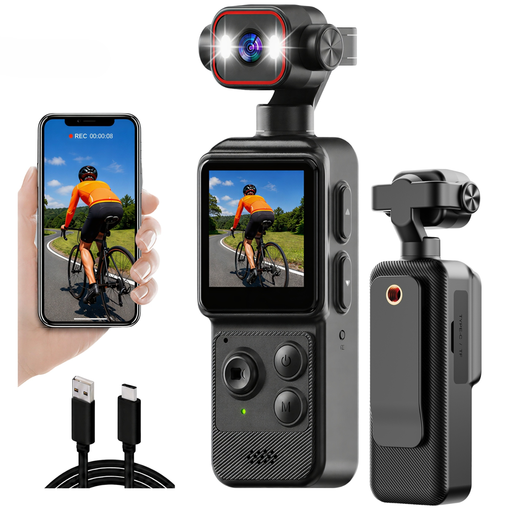
Mini Action Camera 4K with clip, 1.54-inch screen and LED light

Mini Action Camera 4K with Clip

The product name lists a 1.54-inch screen, a 140° field of view, an LED light and a 1200 mAh battery.

For close-ups of miniatures, check whether the minimum focusing distance works for the framing you want.

View on Joybuy
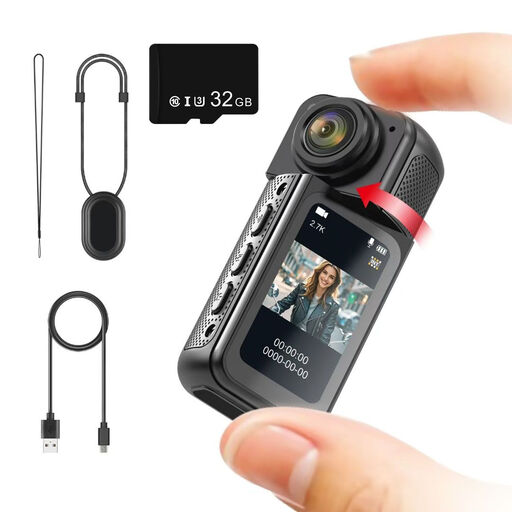
NAXSIR Mini Action Camera 2.7K with rotating lens and memory card

NAXSIR Mini Action Camera 2.7K

The product name lists a 180° rotating lens, a magnetic mount and an included 32 GB memory card.

Check the lens’s close-up capabilities before choosing this camera for small details.

View on Joybuy
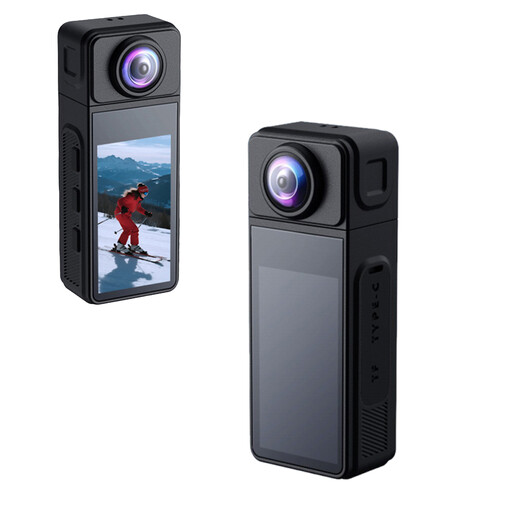
NAXSIR 2K Mini Action Camera with rotating wide-angle lens

NAXSIR 2K Mini Action Camera

The product name lists a 270° rotating wide-angle lens and electronic image stabilisation.

A wide-angle lens does not, by itself, tell you how much it can magnify small details; check whether the focusing distance suits your subject.

View on Joybuy
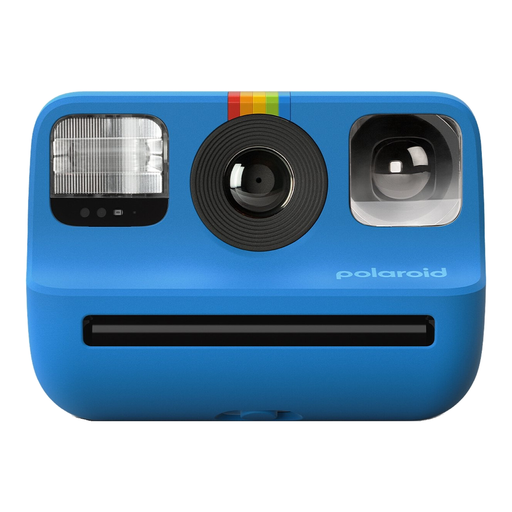
Polaroid Go Gen 2 instant camera in blue

Polaroid Go Gen 2 - Blue

This instant camera uses Polaroid Go film and produces physical prints.

Check its close-up capabilities if you want to photograph small details on figures.

View on Joybuy
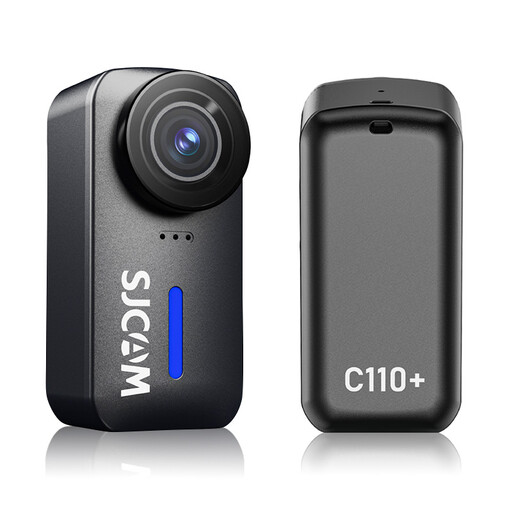
SJCAM C110+ 4K action camera with 20 MP photo function

SJCAM C110+ 4K Action Camera

The product name lists a photo function of up to 20 MP; the product description mentions adjustable white balance.

Adjustable white balance can be useful when shooting against a white background. Also check whether the minimum focusing distance is suitable for miniature details.

View on Joybuy

Frequently asked questions

Do I need a 1:1 macro lens for every full-length figure?

No, not necessarily. First decide how large you want the whole figure or a detail to appear in your frame, then compare the magnification of the exact lens. Canon lists different magnifications for the RF-S 18-45mm and the separate RF 35mm macro lens.

How can I stop the white background looking blue or yellow?

Take test shots using the lighting you plan to use, then adjust the white balance to suit. Adobe explains that different light sources have different colour temperatures; keeping your lighting set-up fixed helps make your shots more consistent.

Does a tripod help with focus stacking?

A stable set-up helps keep the framing consistent across multiple shots. Keep the figure still throughout the sequence too, and check that your chosen camera and lens support focus stacking.

What should I check in a camera kit?

Check whether the offer includes the camera body only, a body with a kit lens, or the macro lens you want as well. Compare the magnification of the included lens with the framing you need.

What cooling-off period applies if I buy a camera online from a business?

According to the Dutch government, consumers buying at a distance are entitled to a 14-day cooling-off period in many cases. This does not automatically apply to a purchase from a private seller, so check the terms that apply to your purchase.
