
Programmer with limited desk space
Wants room for a mouse and their preferred screen setup, without losing sight of important navigation keys.


Start with the keys you use most when building and testing: check the position of the arrow keys, function keys and symbols on the exact version. Then decide whether remapping, a low-profile design or multiple connection options matter most to you; none of these features makes one keyboard right for every programmer. Also measure your workspace and check the actual keyboard layout before you buy.
Wants room for a mouse and their preferred screen setup, without losing sight of important navigation keys.
Wants easy access to symbols and frequently used commands, so pays attention to the layout and remapping options on the version they choose.
Weighs up typing noise, connectivity and switching between devices based on their workspace.
Suitable for: anyone who often uses terminal characters and wants to remap keys. Keychron lists QMK/Launcher support for the K3 Max.
Keep in mind: check the regional layout and exact version; the ISO versions listed do not automatically confirm a Dutch layout.
Suitable for: anyone short on space who prefers low-profile keys to mechanical switches. Logitech and CHERRY describe compact models in this category.
Keep in mind: check the symbols on the version you choose; a low-profile design alone tells you nothing about whether you’ll like the typing feel or sound.
Suitable for: anyone who values a fixed wired connection over wireless use. Ducky lists a wired 65% version of the One 3.
Keep in mind: check that the smaller layout and regional key version suit your commands and navigation needs.
| What to consider | What to look for when buying | Who this matters to |
|---|---|---|
| Layout and desk space | Measure the available width and check where the arrow keys, function keys and Fn combinations are. | If I want to save space on a small desk but navigate frequently, the layout is the first thing I check. Around 33% of consumers prioritise space and a practical layout. |
| Symbols and shortcuts | Check the symbols you use, whether it’s an ISO or ANSI version, and whether the exact model supports key remapping. | I want easy access to terminal characters and custom shortcuts. Around 27% of consumers give access to symbols and remapping top priority. |
| Typing feel and sound | Check the switch type on the version you’re considering; don’t judge typing feel or sound by the switch name alone. | At a shared workstation, I want to choose a typing feel and noise level that suit my surroundings. Around 20% of consumers prioritise typing feel and sound. |
| Connectivity | Check that your computer supports the connection type you want and that the version includes any receiver you need. | If I regularly switch between devices, I want to know which connection options are available. Around 20% of consumers put this flexibility first. |
A compact size doesn’t tell you where the terminal symbols, navigation keys and Fn combinations are. With a smaller layout, some keys may be less accessible.
Check the exact regional version and the keys you use every day before choosing a smaller size.
Keychron lists hot-swap support for a specific RGB hot-swappable version of the K3 Max, not necessarily every version.
Check the full version name and switch specifications if you want to be able to replace the switches.
ACM ConsuWijzer distinguishes between a commercial guarantee and your statutory rights against the retailer.
Keep your proof of purchase and assess any fault in light of normal use and what you could reasonably expect from the keyboard.
The K3 Max is a compact 75% mechanical option for anyone who wants to remap keys.
The MX Keys Mini is a compact option with low-profile keys; the MX Mechanical Mini is a separate compact mechanical model.
The KW 9200 MINI is a compact option with scissor keys and several connection types listed by the manufacturer.
The One 3 is available in a compact 65% version with a wired connection.
These models cover compact mechanical options with layouts from 60% to 75%, including wired and wireless versions. Check each model’s layout and connectivity to make sure they suit your terminal work.
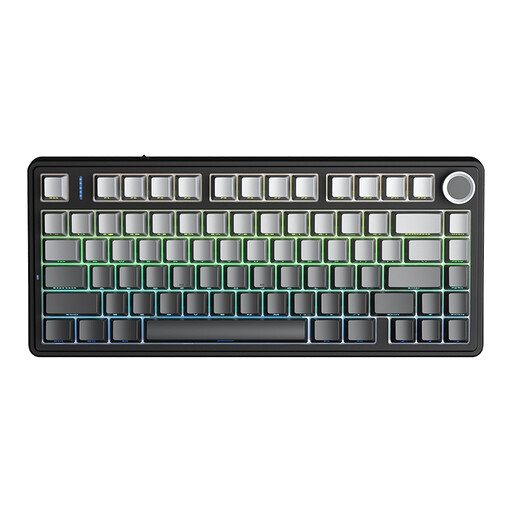 No image available
A compact mechanical version to consider if you’re looking for a 75% layout.
The product name lists Bluetooth, 2.4 GHz and a wired connection, hot-swappable switches and a US layout.
The product name mentions Star Vector switches.
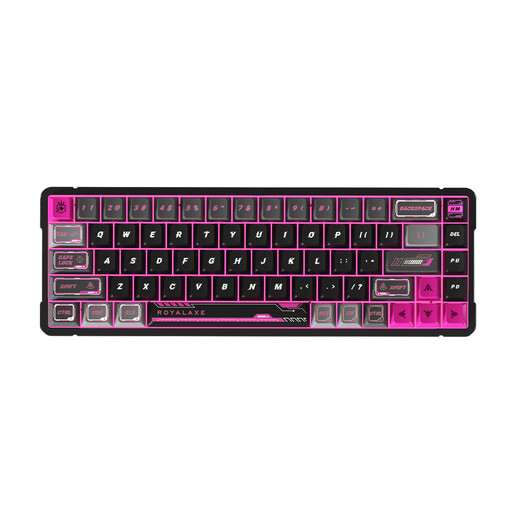 No image available
A compact wired option to compare if you’re looking for a 65% layout.
The product name lists 68 keys, a US layout and a wired connection.
The product name mentions Gateron HE Magnetic Switches and Hall Effect switches.
 No image available
A compact wired mechanical option to consider if you’re looking for a 75% layout and US QWERTY.
The product name lists hot-swappable linear switches and 83 keys.
The product name mentions compatibility with PC, Windows and Mac.
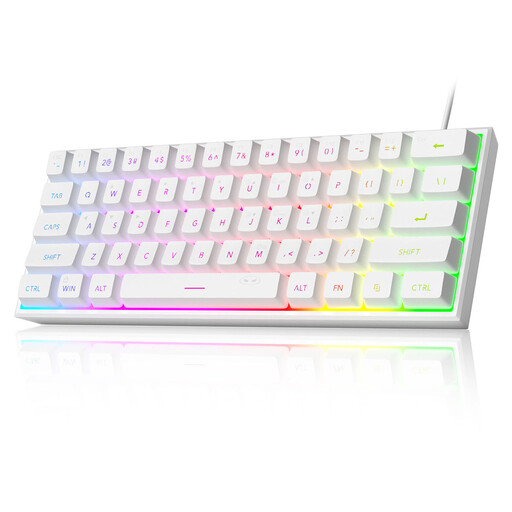 No image available
A compact wired option to compare if desk space is a priority.
The product name lists 61 keys and a US QWERTY layout; the product description calls it a keyboard with a mechanical feel.
Check that the 60% layout includes the navigation keys you use every day.
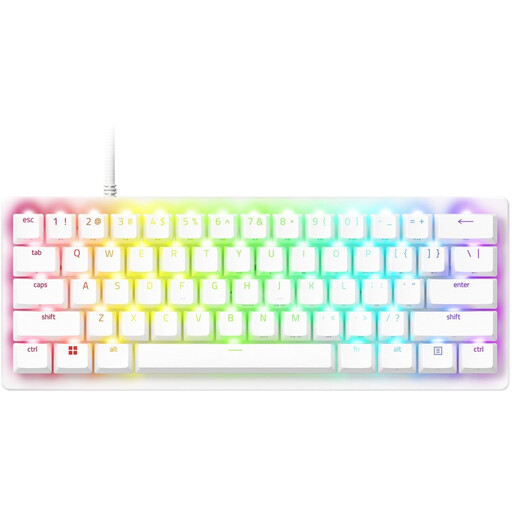 No image available
A 60% option to consider if you’re looking for a compact US QWERTY layout.
The product name lists the colour as White. The product information mentions programmable keys and a wired USB-C connection.
According to the manual, navigation and arrow keys are operated using modifier keys; bear this in mind if you use them often.
On the exact regional version, check the symbols you use, the arrow keys, the function row and any Fn combinations. The terms compact and ISO alone don’t confirm where each symbol is.
Choose a connection mode supported by both your computer and the keyboard. CHERRY lists two Bluetooth channels, a 2.4 GHz channel and a wired mode for the KW 9200 MINI; the options available vary by model.
In the Netherlands, you have statutory rights if a product doesn’t meet what you could reasonably expect from it. ACM ConsuWijzer explains that the retailer must resolve an applicable fault free of charge; there isn’t one fixed statutory guarantee period for every keyboard.
For a standard online consumer purchase, you generally have a statutory cooling-off period of up to 14 days after delivery; ACM ConsuWijzer lists some exceptions. Check the terms that apply to your purchase for unpacking, trying out and returning the keyboard.
For employees who work at a screen for more than 2 hours a day, Arboportaal describes requirements including that the screen and keyboard must not be attached to each other. This isn’t a general product specification for every private buyer.