
Digital artist with limited desk space
Wants to fit a graphics tablet or mouse beside the keyboard, while still being able to type and paint.


If you type regularly as well as paint digitally, a compact keyboard is a better fit for both tasks. A programmable 75% board may suit you if you often use custom shortcuts and want to keep physical keys. A one-handed controller serves a different purpose: it complements an existing keyboard rather than replacing it for everyday typing. Measure your workspace and check the exact layout and compatibility with your computer and painting software.
Wants to fit a graphics tablet or mouse beside the keyboard, while still being able to type and paint.
Often uses custom key combinations while painting and wants to remap keys without giving up a full typing keyboard.
Primarily wants one-handed controls while drawing and already has a keyboard for everyday typing.
First, decide whether you need one device for both typing and painting commands, or simply extra controls alongside a keyboard you already own. Then measure the space available and check that the keys and layout suit your workflow.
| What to consider | What should you check? | Who is this important for? |
|---|---|---|
| Space for drawing and pointing | Measure the available width and depth, then compare them with the dimensions of the exact model. | If your graphics tablet or mouse needs to sit beside the keyboard, every centimetre of desk space counts. Around 40% of consumers with this need prioritise desk space. |
| Painting commands within easy reach | Make a note of the combinations you use most often and check that you can access and set them up on your chosen layout. | If you often use custom shortcuts while painting, you’ll want to call them up without awkward workarounds. Around 30% of consumers give direct shortcut access top priority. |
| Ability to type as normal | Decide whether you’ll be entering text in the same space and whether you already have a keyboard. | If you type messages or file names, a full typing keyboard is different from a controller with dedicated control keys. Around 20% of consumers in this group prioritise everyday typing. |
| Layout and connection | Check the exact ISO or QWERTY variant, the connection type and whether any configuration software you need works on your system. | If key positions or setting up custom commands matter to you, find out which variant you’re choosing in advance. Around 10% of consumers put layout and connection ahead of their other buying concerns. |
Saving space is of little help if your important painting commands are difficult to access.
Write down the combinations you use often and compare them with the physical layout of the exact model.
According to XPPen, the XPPen ACK05 is a controller with ten keys and a dial, designed for configurable commands rather than everyday text input.
Choose this option only if you already have a usable typing keyboard or deliberately want to use a second device.
A model name alone doesn’t tell you whether the keyboard layout, keycaps or version match.
Before buying, check the full model name and variant, paying particular attention to the ISO layout and the version included.
The MX Keys Mini is designed for anyone looking for a compact keyboard for typing and using creative shortcuts.
The K3 Pro ISO combines a mechanical 75% layout with the ability to remap keys.
The ACK05 is a one-handed shortcut controller for use alongside an existing keyboard.
CHERRY lists the KC 500 MX LP TKL and STREAM KEYBOARD TKL among its options for anyone looking for a smaller, traditional keyboard.
This selection features compact keyboards for anyone who wants to type as well as paint digitally. These are not one-handed shortcut controllers.
 Image unavailable
Could suit you if you’re looking for a compact keyboard layout; measure the available desk space first.
The product listing specifies a 60% layout, 61 keys and a wired connection. The stated layout is US QWERTY.
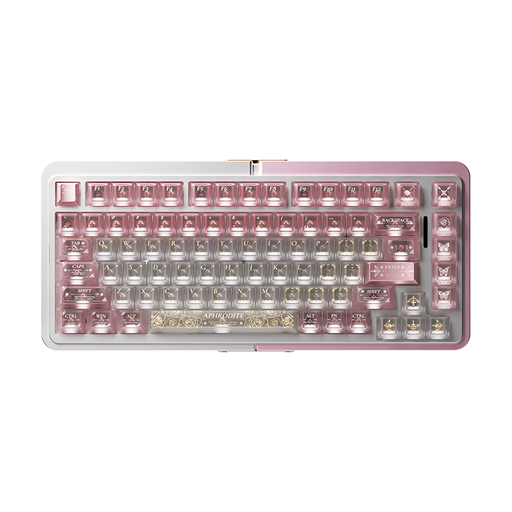 Image unavailable
A 75% layout may suit anyone looking for a compact typing keyboard; check the full layout before ordering.
The product listing specifies Hall Effect switches, TTC Magnetic HE switches and a wired mode. The title also mentions hot-swappable switches.
 Image unavailable
A compact typing keyboard to consider if you want to enter regular text as well as paint.
The product listing specifies 68 keys, magnetic switches and a US layout.
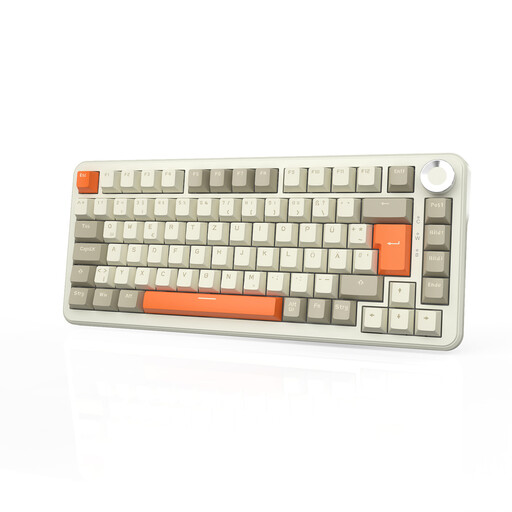 Image unavailable
Could suit you if you’re after a compact layout and want to customise your keys and commands; check that QWERTZ works for you.
The product listing specifies a 75% layout and German QWERTZ layout. The product description mentions key and macro remapping, as well as wired and wireless connection options.
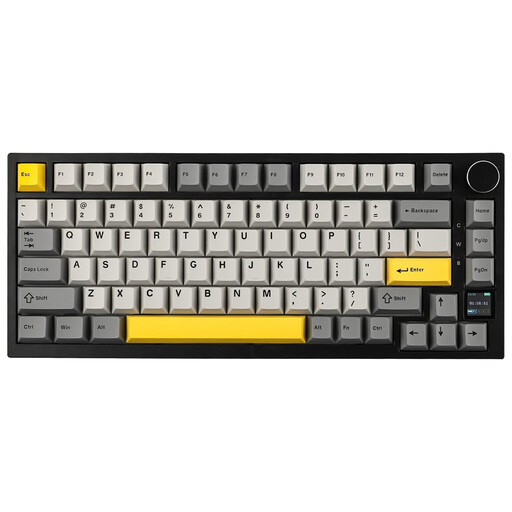 Image unavailable
A 75% typing keyboard to consider if you want compact controls alongside everyday typing.
The product listing specifies 82 keys and a US QWERTY layout. The product description mentions USB-C, Bluetooth and 2.4 GHz, as well as remapping via the TFT screen.
Yes. The Krita manual explains where to set key combinations and check for conflicting shortcuts. Whether an extra key or controller sends the signal you want to Krita also depends on how that device is configured.
Not if you want to type as normal at your workstation. According to XPPen, the XPPen ACK05 has ten keys and a dial; use it alongside an existing typing keyboard.
First, check the layout and connection of the exact model. Then set up your preferred combinations in the device software and, where necessary, in your painting programme; Krita has its own shortcut settings screen.
For an online purchase by a consumer, the statutory cooling-off period is generally up to 14 days after delivery; ACM ConsuWijzer explains the exceptions. Statutory consumer rights also apply if, under normal use, the product doesn’t meet what you could reasonably expect. This doesn’t automatically mean there is a fixed two-year warranty period.