
Vandaag of morgen in huis

Kwaliteit gegarandeerd

Welkomstaanbiedingen ontgrendelen: GRATIS bezorging | Tot 80% korting | Gratis 30 dagen JoyPlus-proefperiode
Download de app
A small home, student room or office needs appliances that use space efficiently. However, compact does not automatically mean practical. A small freezer may save a great deal of floor space, but have an awkward layout. A portable heater may fit beside a desk, but can use a considerable amount of electricity at maximum power.
When choosing compact household appliances, price and appearance are not the only considerations. Pay particular attention to the dimensions, capacity, energy consumption, safety features and how you will use the appliance day to day.
An appliance approximately 55 cm wide may fit on paper in your kitchen, garage or studio. Also allow for:
A reversible door, as found on some mini fridges and under-counter freezers, gives you more flexibility when positioning the appliance. Measure not only the alcove but also the route to its final location.
A ceramic heater or electric heater can provide heat quickly, but a power rating of 1,800 or 2,000 watts also means high consumption when the appliance runs at full power for long periods. A 1,000-watt oil-filled radiator does not automatically have low energy consumption, but a thermostat and lower heat settings can let you use it differently.
For a simple estimate, use:
consumption in kWh = power in kW × usage time in hours
Also check the settings. A timer, thermostat or eco mode can be useful, but the actual saving depends on the room, insulation, set temperature and duration of use. Some brands state, based on their own research, that programmes can deliver a particular percentage saving; treat such figures as brand claims rather than a guaranteed result in every home.
An app, remote control or smart-home connection may sound convenient, but could be unnecessary if you only want to switch an appliance on manually. For appliances used in offices and flats, basic features can sometimes be more important: a clear thermostat, stable feet, quiet operation and easy cleaning.
Also look out for missing features. A small freezer with manual defrosting requires periodic maintenance. A mini fridge without enough space for bottles may be less useful in practice than a slightly simpler model with a better layout.
For small households and student rooms, 85 to 100 litres is often a useful size category for additional freezer space. A small freezer or under-counter freezer with drawers keeps food more organised than one large open compartment. Also check the weight: compact freezers can easily weigh around 30 kg, so they are not easy to move on your own.
Adjustable or removable shelves are useful in a mini fridge for tall bottles and packaging. A reversible door can make all the difference in a narrow kitchen or studio.
EU energy labels for fridges and freezers range from A to G. Alongside the rating, always check the stated annual consumption in kWh. Two appliances with the same capacity may have different figures.
According to the product specifications, a freezer using 165 kWh per year consumes less than a model using 200 kWh per year, but your final costs depend on your electricity tariff. Use the kWh figure as a comparison point, not as a promise about your energy bill.
Heaters should be placed on a flat, stable and non-flammable surface. Ideally, choose a model with:
Do not cover an electric heater or use it in a damp room. For a teppanyaki grill, an earthed socket, heat-resistant surface and clear space around the hot surface are important. Do not leave the appliance unattended while it is operating.
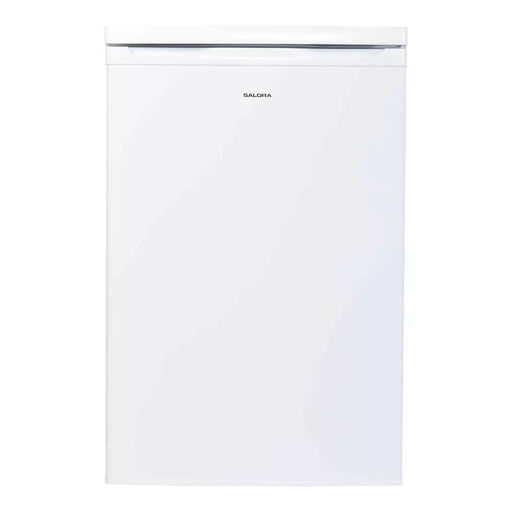
Why it suits this profile: Its 91-litre capacity and four transparent drawers provide well-organised additional freezer space for a small household.
The product specifications state 166 kWh per year, a reversible door and an adjustable thermostat. This means you can compare the size, consumption and positioning requirements in advance.
91-litre capacity; energy rating E; four drawers; noise level of 40 dB.

Why it suits this profile: This model combines a 99-litre capacity with a compact body, making it suitable for anyone looking for extra capacity and organised storage.
The product sheet states 169 kWh per year, 39 dB, energy rating E and manual defrosting. You therefore know in advance what maintenance is required.
99-litre capacity; freezing capacity of 4.5 kg per 24 hours; wire basket; rear wheels.
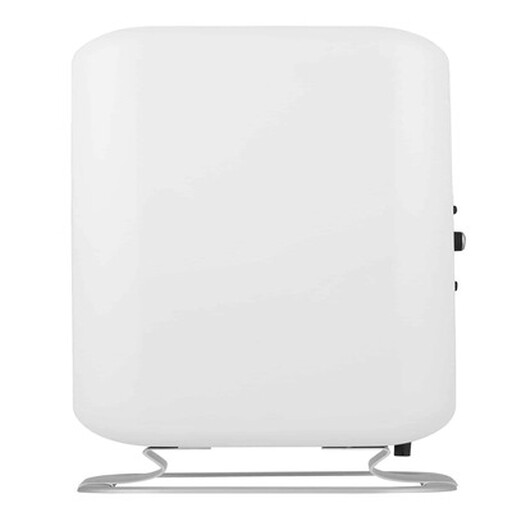
Why it suits this profile: For a home office or flat of up to 16 m², three heat settings and an electronic thermostat are practical features.
The adjustable settings of 400, 600 and 1,000 watts mean you do not have to heat solely at maximum power.
Day and night programme; thermostat; tip-over and overheat protection; suitable for rooms up to 16 m² according to the product description.
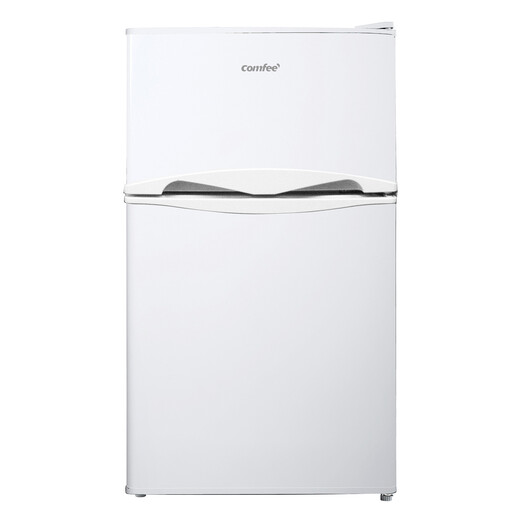
Why it suits this profile: This compact fridge is designed for offices, bedrooms and studios where drinks, lunch and everyday groceries need to stay close at hand.
The reversible door, adjustable feet and removable glass shelves make positioning and organising the fridge more flexible than a fixed configuration.
Interior light; bottle rack for 2-litre bottles; noise level of 40 dB according to the product information.
For cooking at the table, a teppanyaki grill can save space compared with a built-in hob. For a model such as the Melissa Teppanyaki Griddle, look for features including 2,000-watt power, a removable thermostat, a grease collection tray and non-slip feet. The grill plate becomes hot, so use it only on a stable, heat-resistant surface.
If you mainly need quick, localised heat, you could consider a ceramic heater or portable heater. A model with a timer, thermostat and tip-over protection is more practical for an office than a device with only an on/off switch. Always check that the stated power rating is suitable for the circuit to which you connect it.
We have put together a complete, up-to-date list of products that fully meet these strict selection criteria and the applicable European safety regulations.
A mini fridge, compact freezer, portable heater and small tabletop grill may be suitable. Before buying, check the permitted power rating, ventilation, noise level and the rules set by your landlord or student accommodation provider.
Multiply the power in kilowatts by the number of hours of use, then multiply the result by your electricity tariff. A 2,000-watt heater running at full power for one hour theoretically uses 2 kWh. A thermostat can prevent the heating element from operating continuously at maximum power, but the result varies depending on the situation.
Its lifespan depends on positioning, ventilation, load, maintenance and use. Keep ventilation openings clear, do not place the appliance in direct sunlight and follow the instructions for cleaning and defrosting. Also check the warranty and your statutory rights relating to conformity before placing your order.
