
Competitive players
If you host tournaments, start by comparing Game Mode and input lag. PlayStation makes clear that 120Hz output depends on support from both the TV and the game.


Start with the space you have, the seating and input lag in Game Mode. Then choose between OLED, mini LED and LCD. A 42- or 43-inch screen is a useful size to compare, but it doesn’t tell you whether the stand, cables and walkways will fit. A higher Hz rating also doesn’t guarantee that your console and game will use that output, or that the TV will have lower input lag.
If you host tournaments, start by comparing Game Mode and input lag. PlayStation makes clear that 120Hz output depends on support from both the TV and the game.
In a narrow living room, the screen, stand or wall mount, cables and seating all need to fit. Compare the dimensions of the exact model with the space available.
If players and spectators are watching from different spots, viewing angle and the room’s lighting should be part of your decision.
The percentages below relate to consumers looking for a compact TV for fighting game tournaments in a narrow living room; each row describes their main buying priority.
| What to consider | What should you check? | Who is this important for? |
|---|---|---|
| Tournament responsiveness | Compare input lag at the same resolution, refresh rate and picture mode. Also check Game Mode and the output from your console and game. | If I want as little delay as possible during a tournament, I check the settings and actual output of my own setup. Around 29% of consumers give tournament responsiveness top priority. |
| Space and setup | Measure the available width and depth; compare the dimensions of the exact model with and without its stand, and allow for cables and access routes. | If the TV, players and walkway all need to fit in a narrow room, I want to be able to plan the entire setup in advance. Around 29% of consumers put physical fit first. |
| Viewing from different positions | Assess the viewing angle from the players’ and spectators’ seats, and take windows and lamps into account. | When others are watching from an angle, I want to know how the picture looks from their seats. For around 24% of consumers, visibility for everyone in the room is the top priority. |
| Purchase and running costs | Compare the EU energy label and ask the retailer about any installation costs and terms. Read the warranty terms alongside your statutory consumer rights in the Netherlands. | If I also want to consider running costs and service, I check the energy label, installation and warranty separately. Around 18% of consumers put purchase and running costs first. |
A stated refresh rate isn’t a measurement of input lag. Output also depends on the console, the game, the HDMI input and the settings you choose.
Only compare input lag using the same signal conditions, and check the actual video output from your setup. PlayStation says that 120Hz output requires support from both the TV and the game.
The diagonal measurement doesn’t tell you how much room the stand, cables and access route will take up.
Measure the space and compare the dimensions of the exact model, both with and without its stand, before ordering. An unsuitable stand or mounting option may mean you need a different position or extra installation work.
A manufacturer’s or retailer’s warranty doesn’t automatically replace your statutory rights. ACM ConsuWijzer distinguishes between commercial warranties and statutory guarantees.
Keep your proof of purchase and contact the retailer if something goes wrong. Consider any additional service plan separately from your statutory rights.
The OLED42C68LA is a 42-inch OLED model to compare if you’re looking for a compact screen.
The QE43QN90FATXXN is a 43-inch mini LED model to compare with compact OLED TVs.
The Philips 42OLED810/12 is a 42-inch OLED option, with Ambilight as an extra feature to consider.
The Sony K-43S3 is a compact LCD option to consider if 120Hz output isn’t essential.
These Joybuy products are compact TV options to compare for a gaming setup in a narrow living room. Before buying, check that the dimensions, connections and game output suit your needs.
 No image available
A 42-inch option to compare when space is limited. The product name lists 4K Ultra HD, OLED, HDMI 2.1 and AMD FreeSync; check the TV’s dimensions and your chosen setup.
 No image available
This 43-inch option is worth considering when comparing the available width. The product name lists 4K UHD, HDMI 2.1 and VRR; check that your chosen console and game support the output you want.
 No image available
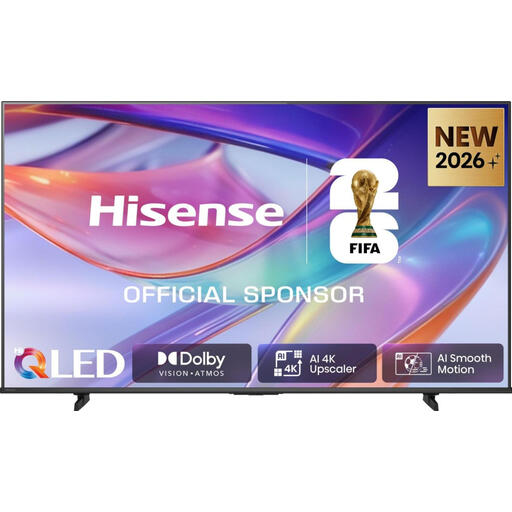
A 43-inch model to compare with other compact options. The product name lists 4K QLED and 120 Hz; that figure alone doesn’t tell you which output your console and game will actually use.
 No image available
This 43-inch option can be compared with other models for smaller spaces. The product name lists 4K QLED and 120 Hz; check the dimensions and that your console and game support the output you need.
 No image available
A 43-inch model to assess in terms of available width and placement. The product name lists 4K Ultra HD, QLED, VRR and ALLM; check which features you can use with your console and game.
No, not based on the TV specification alone. PlayStation says that 120Hz output requires support from both the TV and the game. Check what your console accepts through the connected TV, and look at the game’s capabilities too.
Check Game Mode and the output signal on the HDMI input you’re using. On a PS5, you can find information about the connected device under Settings > Screen and Video > Video Output. PlayStation says ALLM only switches automatically to low latency if the TV supports it.
Follow the manual for the exact TV model. LG recommends gently cleaning its TVs without harsh chemicals or abrasive products; don’t automatically apply this brand-specific advice to other screens.
For a standard online consumer purchase, ACM ConsuWijzer says you generally have a statutory cooling-off period of up to 14 days after delivery; applicable exceptions may affect this. Your statutory rights are separate from the length of a manufacturer’s commercial warranty. Contact the retailer if something is faulty.
The EU energy label for electronic displays uses a scale from A to G. According to the Dutch government, retailers in the Netherlands must take back an old, similar appliance free of charge; practical collection arrangements may vary.