
Cook with limited kitchen space
If space is tight, measure more than just the width: check the height, depth and room needed for the door to open too. Tabletop models from Liebherr, Inventum and ETNA come in different external dimensions.


Start by measuring the available width, height and depth, and check that the door can open fully. Then choose a fridge based on how much chilled storage you need and whether a freezer compartment would be useful. For yoghurt, the Netherlands Nutrition Centre recommends 4 °C. Check the temperature inside the fridge with a thermometer, as the thermostat setting alone does not confirm the actual temperature.
If space is tight, measure more than just the width: check the height, depth and room needed for the door to open too. Tabletop models from Liebherr, Inventum and ETNA come in different external dimensions.
If you often keep fresh yoghurt in the fridge, consider the available chilled storage and whether you can check the temperature. The Netherlands Nutrition Centre recommends a fridge temperature of 4 °C.
If your fridge will be running all the time, compare the stated annual energy consumption of models that fit your kitchen. Milieu Centraal points out that an oversized fridge can use electricity unnecessarily, while too little space may mean you end up needing a second fridge.
| What to consider | What should you check? | Who is this important for? |
|---|---|---|
| Will the fridge fit? | Measure the width, height, depth and door clearance. Compare these with the external dimensions and installation instructions for the exact model. | I want to be sure the fridge will fit and that its door can open. Around 33% of consumers say fit is their main buying concern. |
| Temperature for yoghurt | Check whether the temperature is adjustable, then measure it after installation with a fridge thermometer on the bottom shelf. The Netherlands Nutrition Centre recommends 4 °C. | If I regularly store yoghurt, I want to be able to check how cold the fridge is. Around 27% of consumers prioritise reliable refrigeration for yoghurt. |
| Energy consumption | Compare the stated annual consumption in kWh of models that fit. Use your own electricity tariff to calculate running costs. | I want to know how much electricity a suitable fridge will use. Around 20% of consumers say ongoing energy consumption is their main buying concern. |
| Usable chilled storage | Compare the capacity of the fridge compartment, its layout and adjustable shelves with your yoghurt pots and other groceries. | If you need to store other chilled groceries as well as yoghurt, the usable layout matters. Around 20% of consumers prioritise space for groceries. |
A fridge might fit widthways but still be too deep or block the way when its door is open.
Measure the entire available space and the door clearance. Also check the installation instructions and the door’s opening direction for the exact model.
The selected setting does not confirm the temperature where you keep your yoghurt.
Once the fridge is running, measure the temperature on the bottom shelf with a fridge thermometer and adjust the setting if needed. The Netherlands Nutrition Centre recommends 4 °C.
The energy rating alone does not tell you how much chilled storage you will have or what the stated annual energy consumption is. A freezer compartment also takes up space that could otherwise be used for chilled food.
For models that fit, compare both the annual consumption in kWh and the capacity of the fridge compartment. Look at fridge and freezer space separately.
The Rd 1200 Pure is a tabletop model for anyone looking for a cabinet that is 50 cm wide.
The KK550S is a 55 cm-wide tabletop model with adjustable shelves and a stated fridge capacity of 131 l.
The KKV956WIT is a 56 cm-wide tabletop model, letting you weigh up chilled storage against stated annual energy consumption.
The KTR15NWEB is a tabletop model without a freezer compartment, for anyone weighing its stated fridge capacity against the space available.
This selection includes compact freestanding fridges for small spaces, with and without freezer compartments. Compare the stated external dimensions and fridge or freezer capacity with your kitchen and how you plan to use the appliance.
 No image available
Could suit a small kitchen if its stated external dimensions fit the available space.
Dimensions: 85 × 48 × 45 cm. Capacity: 88 l. Energy rating E; stated consumption: 90 kWh per year. Also listed: 39 dB, manual temperature control, three adjustable glass shelves and a reversible door.
 No image available
Could suit you if you need a separate freezer compartment as well as chilled storage, and its external dimensions fit your kitchen.
Dimensions: 85 × 55 × 58 cm. Fridge capacity: 95 l; freezer capacity: 14 l. Energy rating C; stated consumption: 89 kWh per year. Also listed: 37 dB, adjustable temperature control and reversible door hinges.
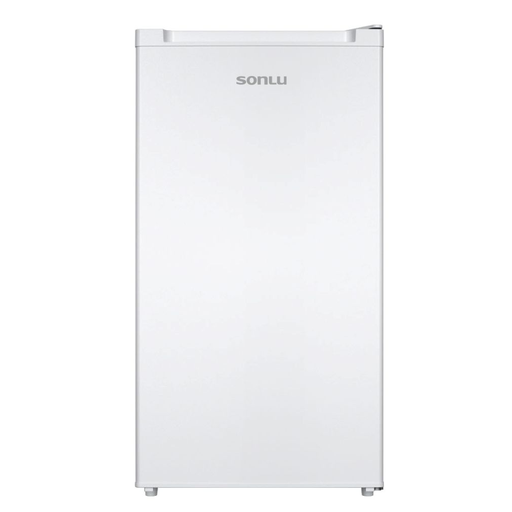 No image available
Could suit you if you’re looking for a freestanding fridge without a freezer compartment for yoghurt and other chilled groceries.
Stated fridge capacity: 82 l. Energy rating E; stated consumption: 84 kWh per year. Also listed: mechanical temperature control, adjustable glass shelves, a vegetable drawer and door compartments.
 No image available
Could suit you if you’re looking for a compact fridge with room for yoghurt and everyday groceries.
Dimensions: 54 × 54 × 88 cm. Stated capacity: 129 l. Energy rating E; stated consumption: 92 kWh per year. Also listed: 39 dB, dial temperature control and adjustable shelves.
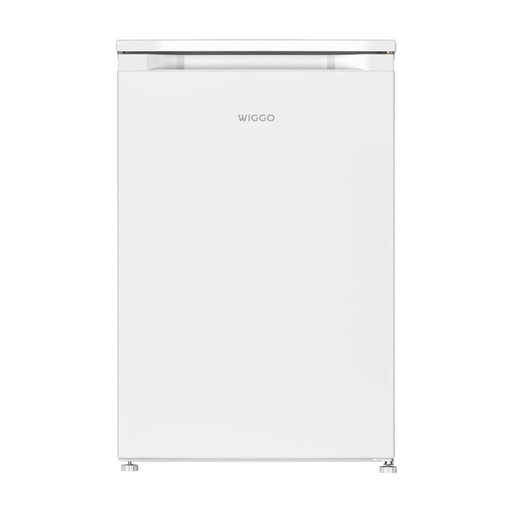 No image available
Could suit a small kitchen if its stated external dimensions match the available space.
Dimensions: 54,9 × 54,9 × 84,5 cm. Stated capacity: 107 l. Energy rating D; stated consumption: 142 kWh per year. Also listed: 39 dB, mechanical temperature control, a glass shelf, a vegetable drawer and door compartments.
The Netherlands Nutrition Centre recommends 4 °C. Place a fridge thermometer in the middle of the bottom shelf and leave it there for half a day or overnight. Adjust the fridge if the temperature reading is higher. The thermostat setting alone does not confirm the actual temperature.
The Netherlands Nutrition Centre recommends keeping opened full-fat and low-fat yoghurt in the fridge for 5–7 days. Put the yoghurt back in the fridge promptly after use and keep the fridge at the recommended 4 °C. For an unopened pack, follow the label and use-by date.
Compare the stated annual consumption in kWh of models that fit your kitchen, and use your own electricity tariff to calculate running costs. Check the fridge capacity too: it should have enough room for your groceries without being unnecessarily large, as Milieu Centraal explains.
Household fridges within the scope of the rules are covered by EU energy-labelling requirements. According to the European Commission, the label has run from A to G since 1 March 2021. The Dutch Government explains that if a product bought by a consumer has a fault, you are entitled to a product that works properly and can ask the seller to put things right. The Netherlands does not have a fixed statutory two-year guarantee period.
When you buy a new, similar appliance, the Dutch Government says that the old-for-new scheme applies, including to online purchases. The shop cannot charge you for taking the old appliance away. Check in advance how to hand it over when your new appliance is delivered.