
Cook with a small kitchen
You want to freeze stew without taking up worktop space. The available space, external dimensions and room for the door to open all affect whether a model can be placed somewhere practical.


Start by looking at the space available: a freestanding compact freezer can go in a suitable spot on the floor, while placing one under a worktop depends on the niche and the installation requirements for the exact model. Then compare the drawer layout with your containers, how much stew you freeze at a time and the stated energy consumption. Freeze the stew in small portions.
You want to freeze stew without taking up worktop space. The available space, external dimensions and room for the door to open all affect whether a model can be placed somewhere practical.
You regularly freeze a pan of stew. Check the drawer layout, whether your containers will fit and the model’s stated freezing capacity.
You need extra freezer space, but also want to compare the annual energy consumption of a possible additional appliance.
First, measure the space and decide whether you want a freestanding model, an appliance designed for a suitable niche or to use your existing freezer space. Then compare the portions, freezing capacity and energy consumption of the models that fit the space.
A good fit if: you have a suitable spot on the floor and want to keep your worktop clear. Measure the door swing too, and take the installation requirements into account.
The trade-off: drawer capacity and the amount you can freeze at once are limited; not every compact freezer has No Frost.
A good fit if: you have a suitable niche and want an integrated installation.
The trade-off: check the niche dimensions and the installation requirements for the specific model; a removable top panel does not automatically make a freestanding appliance suitable for every niche.
A good fit if: you make larger quantities and have enough floor space and room to open it elsewhere.
The trade-off: according to the Dutch Consumers’ Association, an upright freezer offers more usable space on average than a compact model; a chest freezer can be awkward if you want to find small portions quickly.
A good fit if: your current freezer can hold the portions and is set to the right temperature.
The trade-off: a full freezer compartment may not have enough space or freezing capacity for the stew.
| What to consider | What to look for | Who should consider this? |
|---|---|---|
| Placement without losing worktop space | Measure the available space, external dimensions and door swing, and check the model-specific installation requirements. | I want to fit the freezer without blocking my worktop; around 36% of consumers are most concerned about finding a suitable place for it. |
| Portions and freezing capacity | Measure a filled container and compare the drawer layout and stated capacity in kg per 24 hours with the amount you cook at once. | If I freeze several portions, I want to know whether my containers will fit and how much I can freeze at once. Around 29% of consumers prioritise portions and batch size. |
| Energy use of extra freezer space | For models that fit the available space, compare the energy label and stated consumption in kWh per year; also consider whether your existing freezer is enough. | I want to take the effect of an extra appliance on my energy use into account; around 21% of consumers put energy consumption first. |
| Defrosting and organisation | Check the drawer layout, external width and whether the exact model has No Frost. | I want to find portions easily and would rather not defrost the freezer by hand; around 14% of consumers are most concerned about maintenance and organisation. |
A compact freezer and an under-counter model are not automatically interchangeable. The available floor space or niche, doorway and installation requirements determine whether the appliance you choose can be fitted.
Measure the space and door swing, and check the installation requirements for the exact model before ordering.
The capacity alone doesn’t tell you whether your containers will fit in the drawers or how much stew you can freeze at once.
Measure your filled containers, check the drawer layout and compare your batch with the stated capacity in kg per 24 hours. Freeze the stew in small portions.
Containers can take up extra space, or you may need to divide the stew between several batches.
A second appliance adds to your energy use, even on days when you don’t cook.
First check how much space your current freezer has, then compare suitable models by their stated consumption in kWh per year.
The GTV15NWEB freestanding compact freezer is one example you can compare by its dimensions and capacity.
The Fe 1404 Pure and FNdi 1624 Plus show some of the different compact freezer options you can compare.
The BREMEN132-040BW is a model you can compare by its dimensions and product specifications.
The VR501 is a compact freezer that can serve as a point of comparison for size and capacity.
These models range from compact storage options to upright freezers with more capacity. Check the dimensions and product details to see whether a model suits your kitchen and the portions you make.
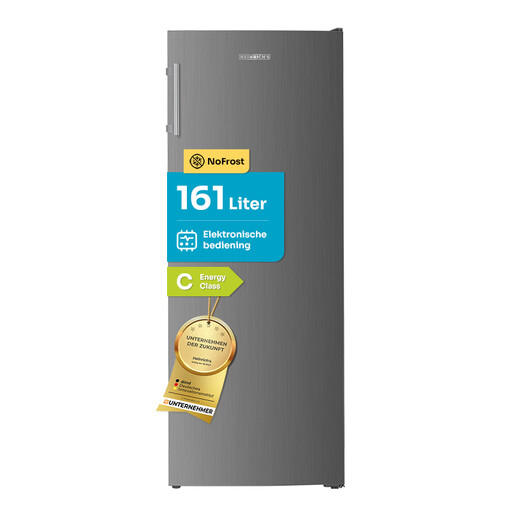 No image available
The stated capacity may be useful if you want to store several portions; check that the freezer and door will fit in the available space.
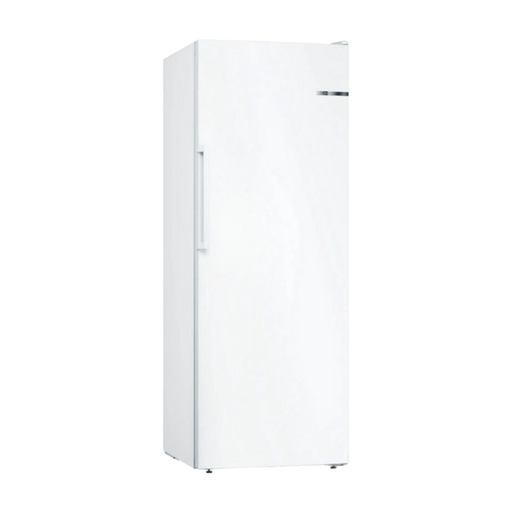 No image available
This is a freestanding upright freezer. Check the external dimensions and details on capacity and freezing capacity to see whether it suits your kitchen and the batches you make.
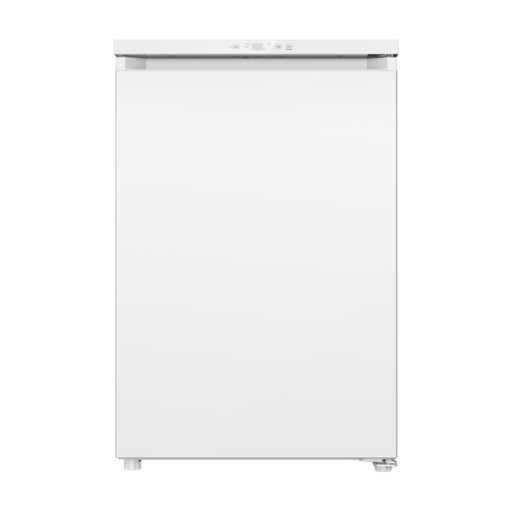 No image available
This compact freezer can keep your worktop clear if you have a suitable spot on the floor; check the external dimensions and installation requirements for the exact version.
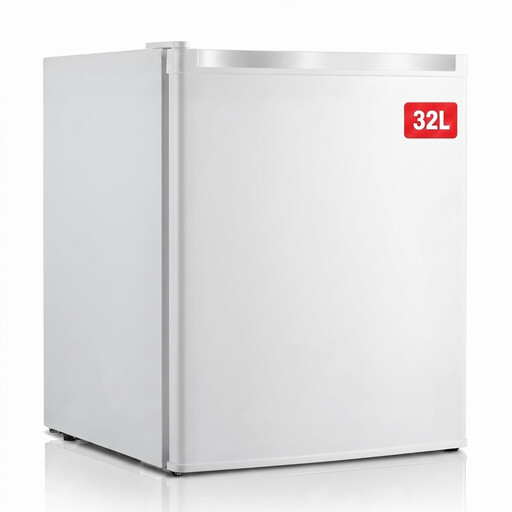 No image available
The stated capacity is worth considering if you want to store a small quantity; measure the space and compare it with the product dimensions.
 No image available
The capacity and storage basket can help you organise loose frozen food; check the dimensions and whether a chest freezer suits the floor space and opening clearance available.
Cool leftovers quickly and, according to the Netherlands Nutrition Centre, cover and place them in the fridge or freezer within two hours of cooking. Set the freezer to -18 °C or colder and divide the stew into small portions.
Only if the installation is permitted by the instructions for the specific model. Check the niche dimensions and installation requirements; a removable top panel on one model doesn’t mean other compact freezers are suitable too.
Freeze the stew in small portions and don’t put more in the freezer at once than the product specifications allow. According to the Netherlands Nutrition Centre, reheat a defrosted portion thoroughly until steaming hot; also follow your appliance manual for defrosting and use.
As well as the purchase price, compare the stated consumption in kWh per year. If a product covered by the statutory guarantee is faulty, the seller must offer a suitable remedy free of charge, according to ACM ConsuWijzer, the Dutch consumer information service. For an online purchase from a business, the Dutch government says you’ll usually have 14 days to change your mind; check the terms that apply to your order.
Yes. The Dutch government lists freezers among the appliances that must have an energy label. The label uses classes A to G; to compare energy use, also check the stated consumption in kWh per year for the exact model.