
Listener in a noisy environment
Wants to follow a talk without constantly turning up the volume. Look for a good fit, sound isolation and noise cancelling. The Consumentenbond also includes spoken audio clips when assessing headphones and earbuds.


In a noisy environment, well-fitting in-ear earbuds with noise cancelling are a sensible option to compare; choose open-ear earbuds if you want to stay aware of your surroundings. Wired earbuds may suit a simple setup without charging, as long as your device supports audio through the connection. Test how clear speech sounds using spoken audio: specifications alone can’t predict how easy a talk will be for you to follow.
Wants to follow a talk without constantly turning up the volume. Look for a good fit, sound isolation and noise cancelling. The Consumentenbond also includes spoken audio clips when assessing headphones and earbuds.
Wants to hear conversations or other sounds around them while listening to a talk, and is happy to accept that these sounds may interrupt the speaker. An open-ear design is worth comparing.
Wants to use small earbuds without pairing or charging, so first checks whether their playback device supports audio through the relevant connection.
Choose this option: if background noise distracts you and in-ear earbuds fit well.
Bear in mind: they need charging and can feel more closed-off; test whether speech remains clear in your surroundings.
Choose this option: if you want to stay approachable or hear sounds around you while listening.
Bear in mind: distracting sounds will still be audible and may interrupt the talk.
Choose this option: if you want to listen without Bluetooth pairing or a charging case.
Bear in mind: check that your device’s USB-C port supports audio; the cable limits your freedom of movement.
Choose this option: if you don’t want sealing ear tips and want to compare a compact wireless design.
Bear in mind: AirPods 4 and AirPods 4 with Active Noise Cancellation are different versions; check the full model name.
| What to consider | What should you look for? | Who is this important for? |
|---|---|---|
| Speech in noisy conditions | Compare fit, isolation and noise cancelling using the same spoken audio clip at a moderate volume. | If background noise grabs my attention, I want to follow the explanation without constantly turning up the volume; around 37% of consumers give clarity in noisy conditions top priority. |
| Wearing comfort | Compare the design and fit; also consider the controls and the differences between a cable and a charging case. | If I’m listening for a long time, I want a design that stays comfortable; around 27% of consumers prioritise long-lasting wearing comfort. |
| Awareness of your surroundings | Compare open-ear earbuds with an ambient sound mode, and check whether you can still follow the talk in your surroundings. | If I want to stay approachable during a talk, I accept that ambient noise may be distracting; around 18% of consumers give awareness of their surroundings top priority. |
| Direct connection | Check whether your device supports audio over USB-C before choosing wired earbuds. | If I want to listen without pairing or a charging case, a compatible wired connection is important; around 18% of consumers choose a direct connection as their top priority. |
A sound setting doesn’t prove that every word in your talk will sound clearer. The Consumentenbond assesses spoken audio clips separately.
Compare models using a representative Dutch speech clip at a similar, moderate volume.
Wired USB-C earbuds only work if your playback device’s port supports audio.
Check audio support for the exact device before making your choice.
Charging in the case interrupts listening. Sony Netherlands states that the WF-C710N offers up to 8.5 hours of continuous music playback per charge with noise cancelling on; this is a manufacturer’s maximum for music, not a guaranteed duration for every talk.
Compare battery life per charge on the same basis and with the same noise-cancelling setting.
According to Shokz, the versions differ in the charging options listed.
Check the full model name and the features of the version you want to buy.
Sony offers the WF-C710N wireless in-ear earbuds with noise cancelling and an ambient sound mode, as well as the IER-EX15C wired USB-C in-ear earbuds.
Shokz OpenFit 2 is an open-ear alternative for anyone who prefers to keep their ear canals clear and remain aware of their surroundings.
JBL Tune 310C USB is a compact, wired USB-C option with in-line controls.
Apple makes AirPods 4 and AirPods 4 with Active Noise Cancellation; both are worth considering if you’re comparing a compact wireless option without sealing ear tips.
These compact wireless earbuds are for anyone who wants to compare noise cancelling or stay aware of ambient sounds while listening.
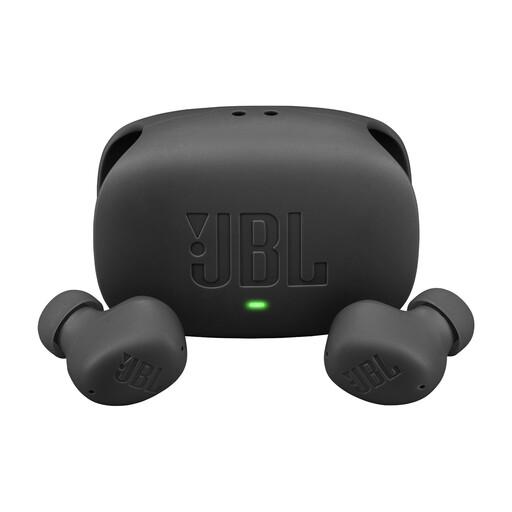 No image available
An option to compare if you want to listen wirelessly and adjust noise cancelling or ambient sound.
The product information lists Active Noise Cancelling and Smart Ambient.
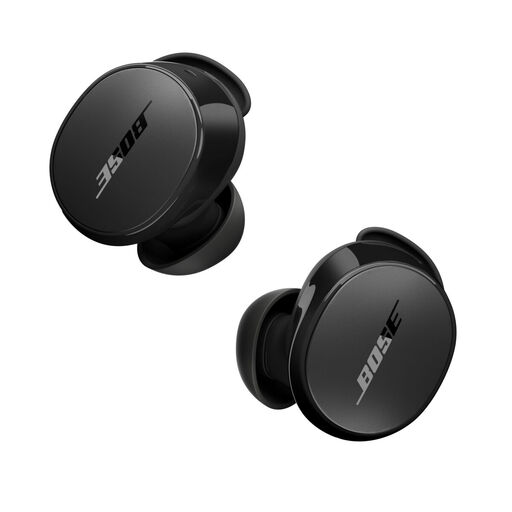 No image available
An option to compare if you want to listen wirelessly with noise cancelling while still allowing some ambient sound in.
The product information lists an Aware mode and several ear tip sizes.
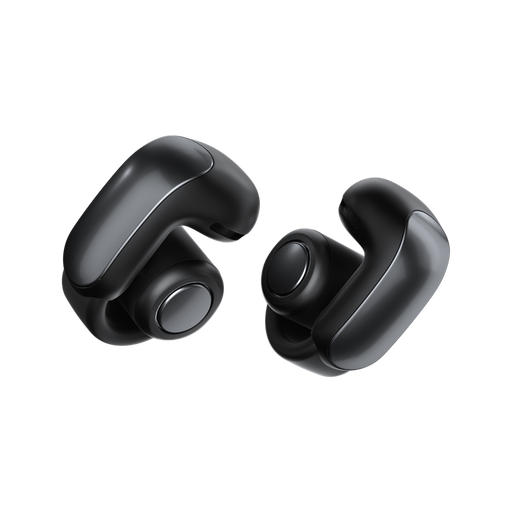 No image available
An option to compare if you want to stay aware of ambient sounds during a talk.
The product information describes an open design. Ambient sounds may interrupt the talk.
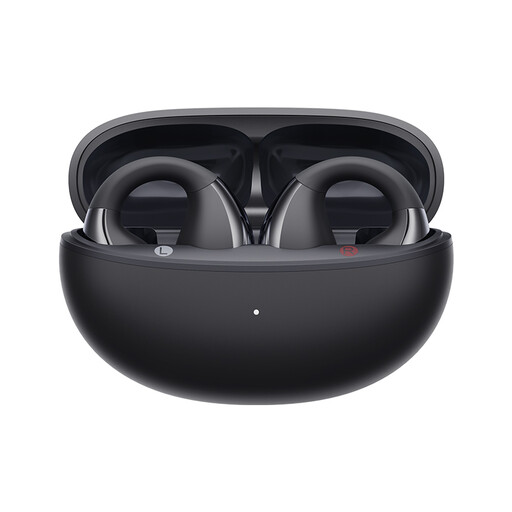 No image available
An option to compare if you’re looking for a wireless open-ear design that lets you stay aware of your surroundings.
The product information describes an open design. Ambient sounds may interrupt the talk.
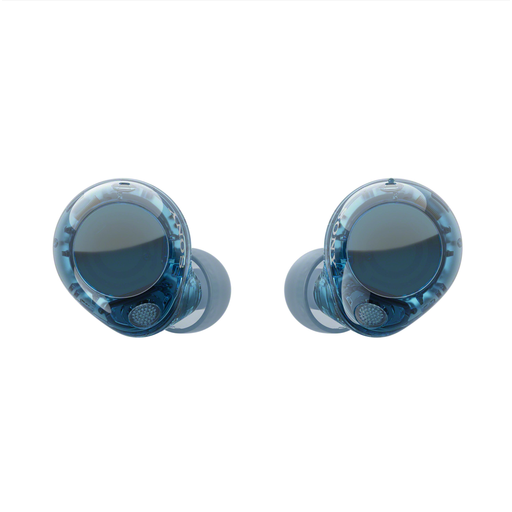 No image available
An option to compare if you want to use wireless in-ear earbuds with noise cancelling and sometimes let ambient sound in.
The product information lists noise cancelling and an Ambient Sound mode.
Not always. In a quiet room, start by checking the fit and how clear spoken audio sounds. If background noise is distracting, you could compare a well-fitting model with noise cancelling; check for yourself whether the explanation remains clear.
Before buying, check whether your phone, tablet or laptop supports audio through the relevant USB-C port. The Sony IER-EX15C has in-line controls; JBL also specifically recommends checking your device’s USB-C compatibility for the Tune 310C USB.
Keep the volume moderate and take listening breaks. The World Health Organization gives a maximum of 40 hours per week at an average sound level of 80 dB as an example; at higher levels, the safe listening time is shorter. This is general listening guidance, not product certification.
When you buy online from a business, you generally have 14 days to change your mind, subject to legal exceptions. According to the Dutch government, you’re entitled to a product that works properly, but there is no fixed legal warranty period of two years; if a product is faulty, contact the seller. An exception to the returns period may apply to certain opened, sealed goods that cannot be returned for health or hygiene reasons. Check the terms for the specific product before breaking the seal.