
iOS and Android app developer
If you want to test iOS locally, first check that your Mac is compatible with the version of Xcode you want to use. Android testing can also be part of the same setup.


For local iOS testing with Xcode and the iOS Simulator, you’ll need a suitable Mac. For Android testing, you could also consider a Windows or Linux mini PC that meets the requirements of your development environment. Then decide how many emulators you’ll run at once and check the memory, storage, ports and positioning. A simulator won’t replace all testing on a real phone.
If you want to test iOS locally, first check that your Mac is compatible with the version of Xcode you want to use. Android testing can also be part of the same setup.
If you test Android versions or screen sizes using virtual devices, choose a computer that suits your projects and the number of emulators you want to run at once.
Allow space for the computer and test phones, as well as easy-to-reach connections, room for ventilation and any mounting hardware.
| What to consider | What should you look for? | Who is this important for? |
|---|---|---|
| The right testing platform | Check whether you need Xcode and the iOS Simulator locally; for Android, see whether your operating system supports Android Studio. | If I want to test iOS locally, my computer must support the required macOS and Xcode combination. That’s why around 29% of consumers give top priority to a local iOS platform. |
| Memory and storage | Compare the specifications of the exact model with the current requirements for Android Studio and the Emulator, and consider how many virtual devices you’ll run at once. | If I want to run several Android emulators at once, I check that the capacity suits my projects. Around 23% of consumers prioritise emulator capacity. |
| Testing on real phones | Check that the ports are easy to access and that the computer supports the phones you want to test. | If I want to check device-specific features, I also need to be able to connect real phones. Around 18% of consumers prioritise testing on physical devices. |
| Space and mounting | Measure the available space and check the dimensions, mounting options, included mounting hardware and port locations of the exact model. | If my desk has limited space, I want to position the computer without blocking the connections or ventilation. Around 18% of consumers prioritise keeping their workspace clear. |
| Complete purchase and aftercare | Check which peripherals are included and compare any service terms with your statutory consumer rights. | If I still need a screen or input devices, I want to know what’s included with the model and what service is available. Around 12% of consumers focus mainly on getting everything they need and on aftercare. |
Apple describes the iOS Simulator as part of Xcode on macOS. So a compact Windows PC won’t automatically give you the same local iOS testing environment.
First decide whether you want to test iOS locally, then check that your chosen Mac’s version of macOS works with the version of Xcode you need.
The capacity you need depends in part on your projects and the number of virtual devices running at once.
Make a note of how many Android emulators you want to run at the same time, then compare this with the Android Studio and Emulator requirements for the configuration you’re considering.
A screen, input devices, cables or mounting hardware may not be included. Mounting the computer can also make ports harder to reach.
Check what’s included with the offer and plan where the computer, phones and cables will go.
According to the Dutch government, any manufacturer’s or seller’s warranty is in addition to your statutory right to a product that is fit for purpose. If there’s a problem, contact the seller.
Compare any additional service with the terms for the exact model and keep the seller’s details.
A compact Mac is worth considering if you want to test iOS apps locally using Xcode and the iOS Simulator.
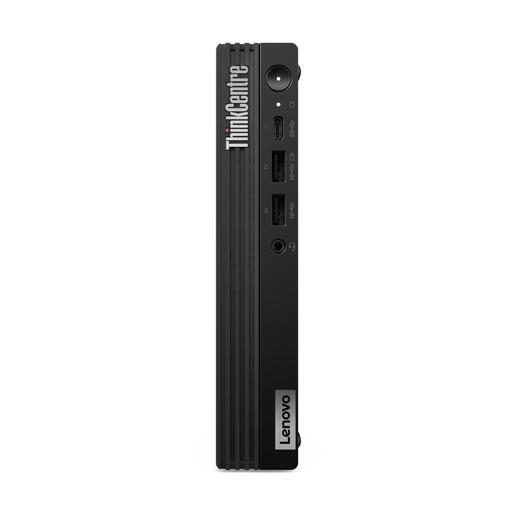
ThinkCentre Tiny is a compact Windows desktop range worth comparing for Android testing and a tight workspace.
The Cubi 5 12M is a compact Windows mini PC range worth comparing for its connections and placement options.
The EliteDesk 8 Mini G1i is a compact business Windows range worth comparing for its configurations and service terms.
OptiPlex Micro is another compact business desktop range worth comparing for its placement and support options.
These Joybuy products are compact Windows desktops for Android testing. Check the capacity, connections and placement options for each model.
 No image available
A compact Windows model to consider for Android testing and a workspace with limited room.
16 GB DDR5 memory and a 512 GB SSD. The product information lists VESA mounting options and the ability to upgrade memory and storage. Check that the mounting method and ports will work with your setup.
The power adapter must be purchased separately. Keep the ventilation openings clear.
 No image available
A compact Windows mini desktop to consider if you want to run Android tests and have limited desk space.
Windows 11 Home, 16 GB LPDDR5X memory and a 512 GB PCIe 4.0 SSD. The product information lists a 0.65-litre chassis and USB-C, USB-A and HDMI connections.
The memory is soldered on; the stated maximum memory capacity is 32 GB.
Not using the local Xcode setup described by Apple: the iOS Simulator is part of Xcode on macOS. Also check which version of macOS is supported by the version of Xcode your project requires.
First check the Android Studio and Emulator requirements for your testing setup. Android Developers also explains how to test on a physical Android device without a local emulator. The capacity you need depends on your project and the number of virtual devices running at once.
Compare the mounting dimensions and included hardware for the exact PC with your monitor or bracket. Keep the ports accessible and follow the model’s positioning instructions. A VESA listing for a product range doesn’t mean every setup will fit.
No, not for every feature. Apple says simulators don’t reproduce all the features or performance of a physical device, so test device-specific features on real hardware too.
For distance purchases from a business in the Netherlands, you’ll usually have a 14-day cooling-off period, although exceptions may apply. According to the Dutch government, consumer purchases must be of satisfactory quality, and the seller is your point of contact if there’s a problem. The Netherlands doesn’t have a fixed statutory warranty period for every product. Your statutory rights are not the same as a manufacturer’s warranty.